
During slavery, West African women who were forcibly transported to the Americas ingeniously braided rice seeds—specifically varieties like Carolina Gold rice—into their hair as a means of preserving and carrying the vital crop with them. This practice was a powerful act of cultural survival and resistance. Because enslaved people were not allowed to bring luggage or belongings, braiding rice seeds into their hair allowed these women to secretly transport the seeds that would become essential for cultivating rice in the New World.
This tradition, particularly among rice-farming communities from West Africa known as the “Rice Coast” (including regions of present-day Senegal, Sierra Leone, and Liberia), ensured that rice seeds would safely make it across the brutal Middle Passage despite the conditions of enslavement and displacement. Their expert knowledge of rice cultivation, combined with this method of seed preservation, played a crucial role in establishing rice as a staple crop in colonial South Carolina, Georgia, and beyond.
Historical oral traditions, especially among Maroon communities in Suriname and French Guiana, preserve the memory of how enslaved women braided rice seeds invisibly into tight braids along their scalp or hair strands—seeds carefully tucked away so they would not fall out, invisible to slave traders. This act was more than practical: it was a way to carry their culture, agricultural knowledge, and a seed of hope to continue farming and feeding themselves and future generations in a new land.
In South Carolina and Georgia rice plantations, the expertise of these enslaved women in rice growing was essential, and the rice they carried in their braids contributed directly to the success of the crop known as Carolina Gold rice. Without this inheritance, the thriving rice economy built by colonial settlers on enslaved labor may not have been possible.
#### **The Hidden Stories of Resilience**
Amidst the hardships of slavery, rice became a symbol of resistance and survival. Enslaved Africans ingeniously braided rice grains into their hair before embarking on the Middle Passage, ensuring they carried a piece of home with them. This act was not only practical but also deeply symbolic—a testament to their resilience and hope for future generations.
**Historical Anecdote**: In the Lowcountry plantations, enslaved women were often responsible for planting and harvesting rice. Despite grueling conditions and high mortality rates due to diseases like malaria, they continued to pass down their knowledge and skills
Thus, the very survival and cultivation of Carolina Gold rice is inextricably tied to this unique tradition of braiding rice grains in hair—an extraordinary testament to the ingenuity and resilience of enslaved African women who ensured that their foodways, skills, and culture took root anew in the Americas.
### The Soul of Rice: A Culinary Journey Through the Diaspora
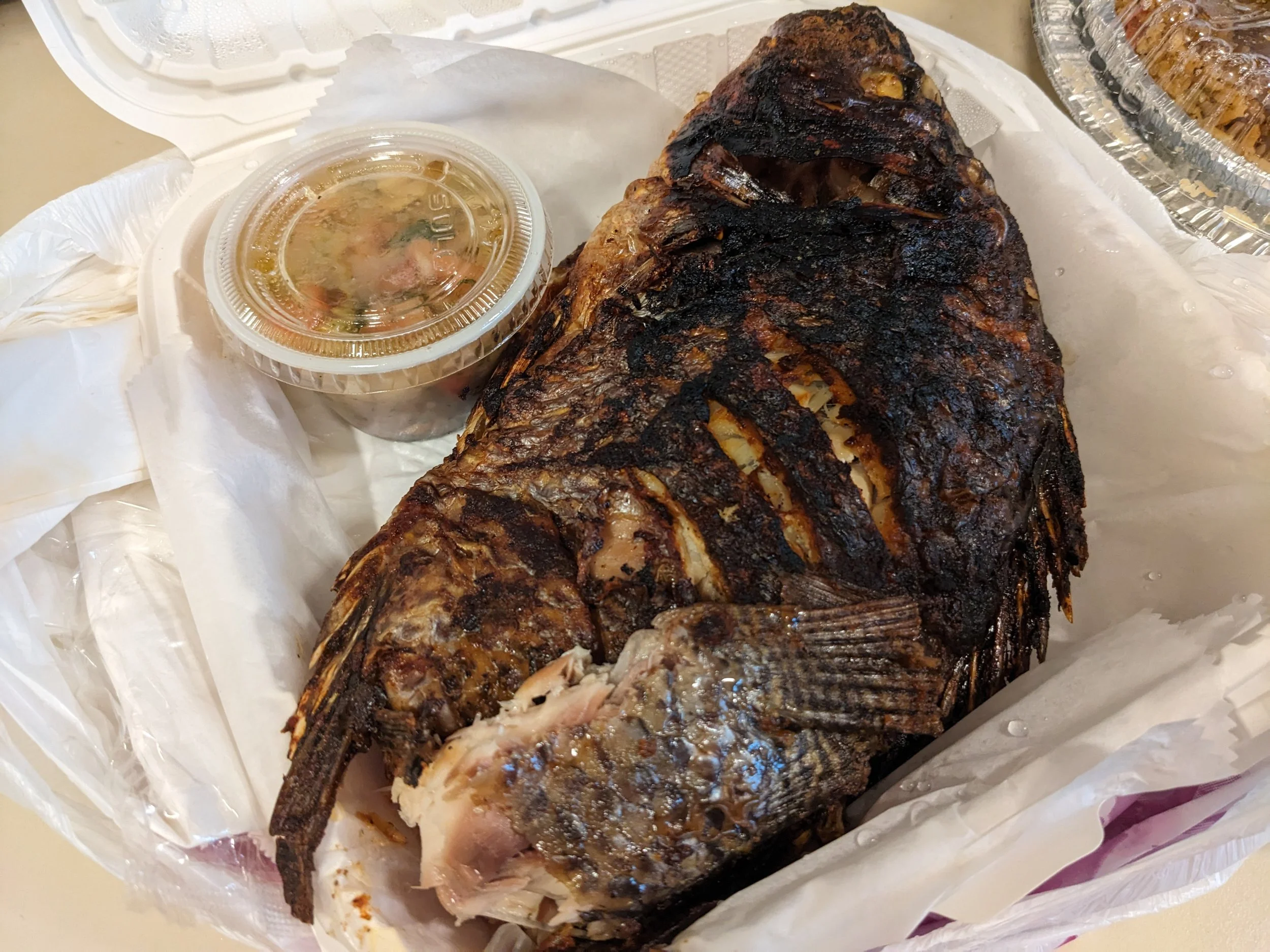
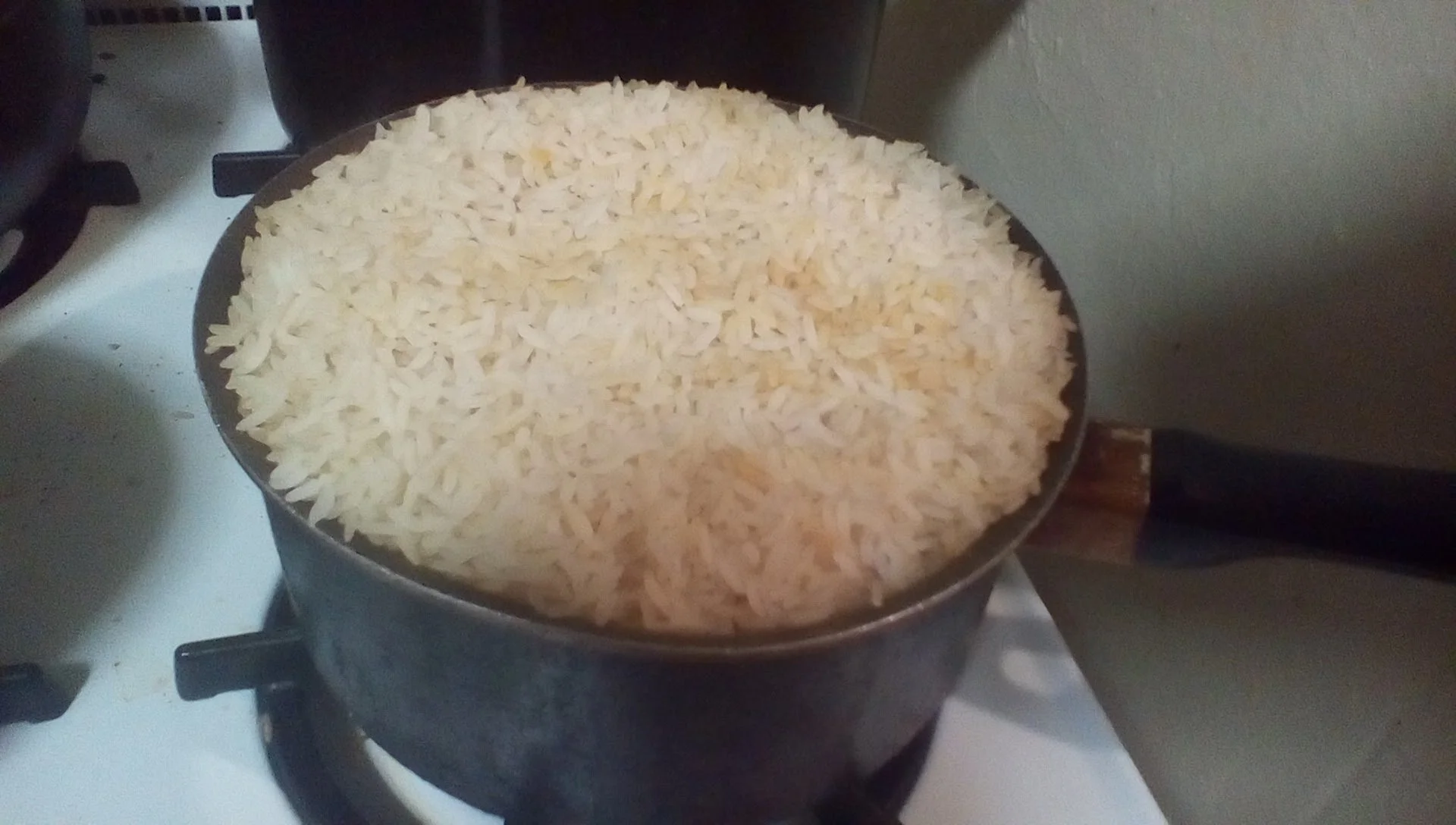
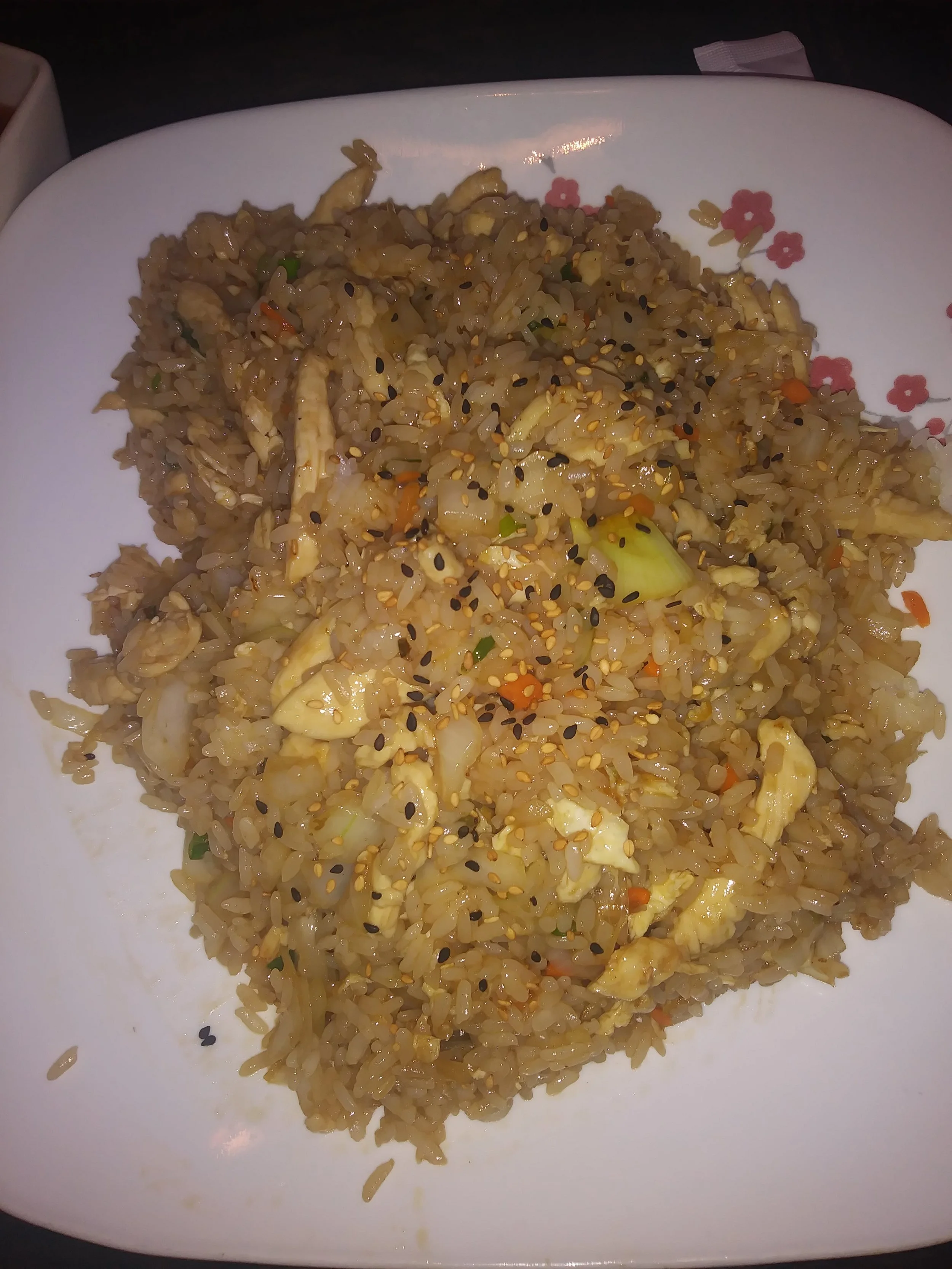
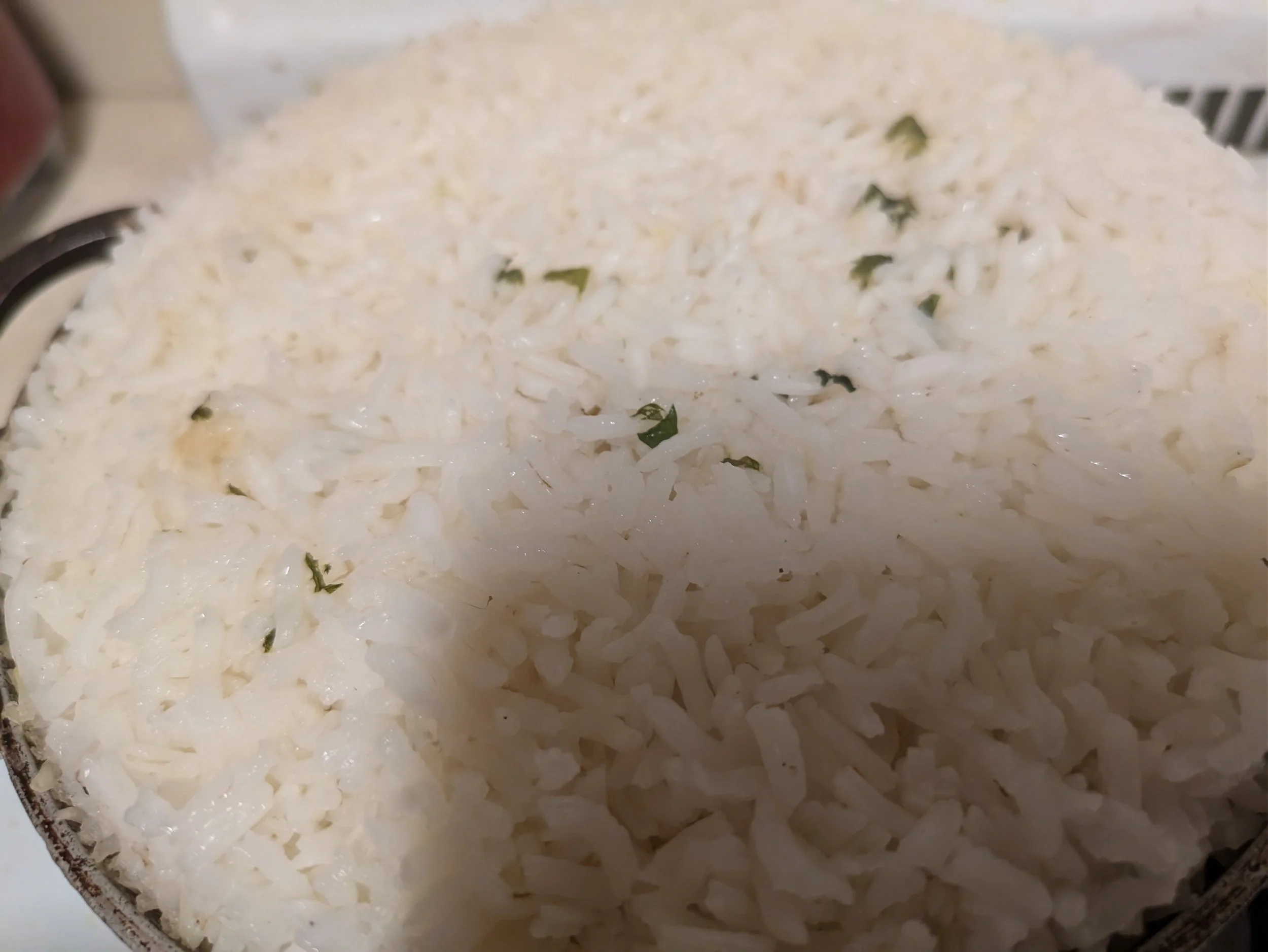
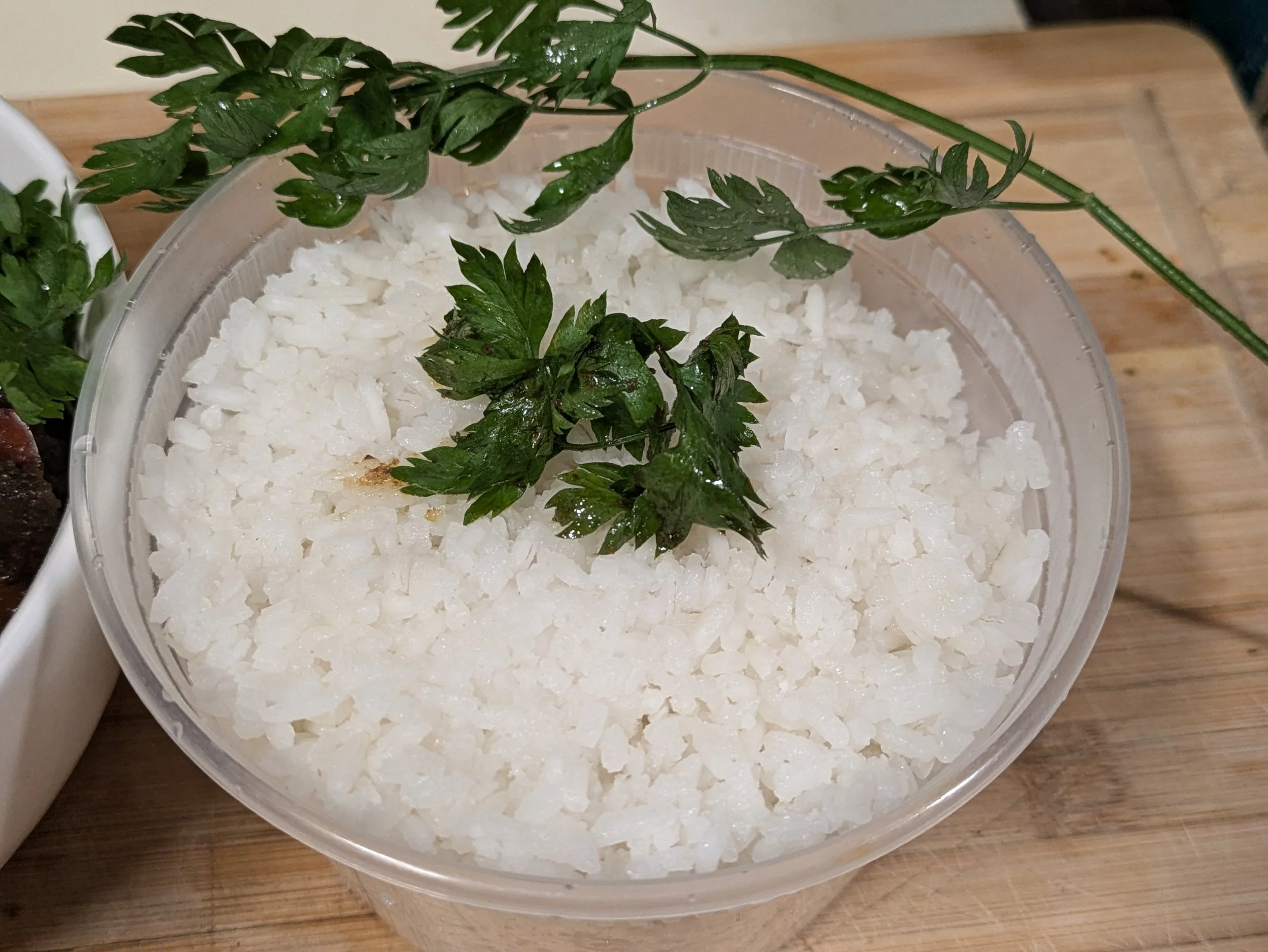
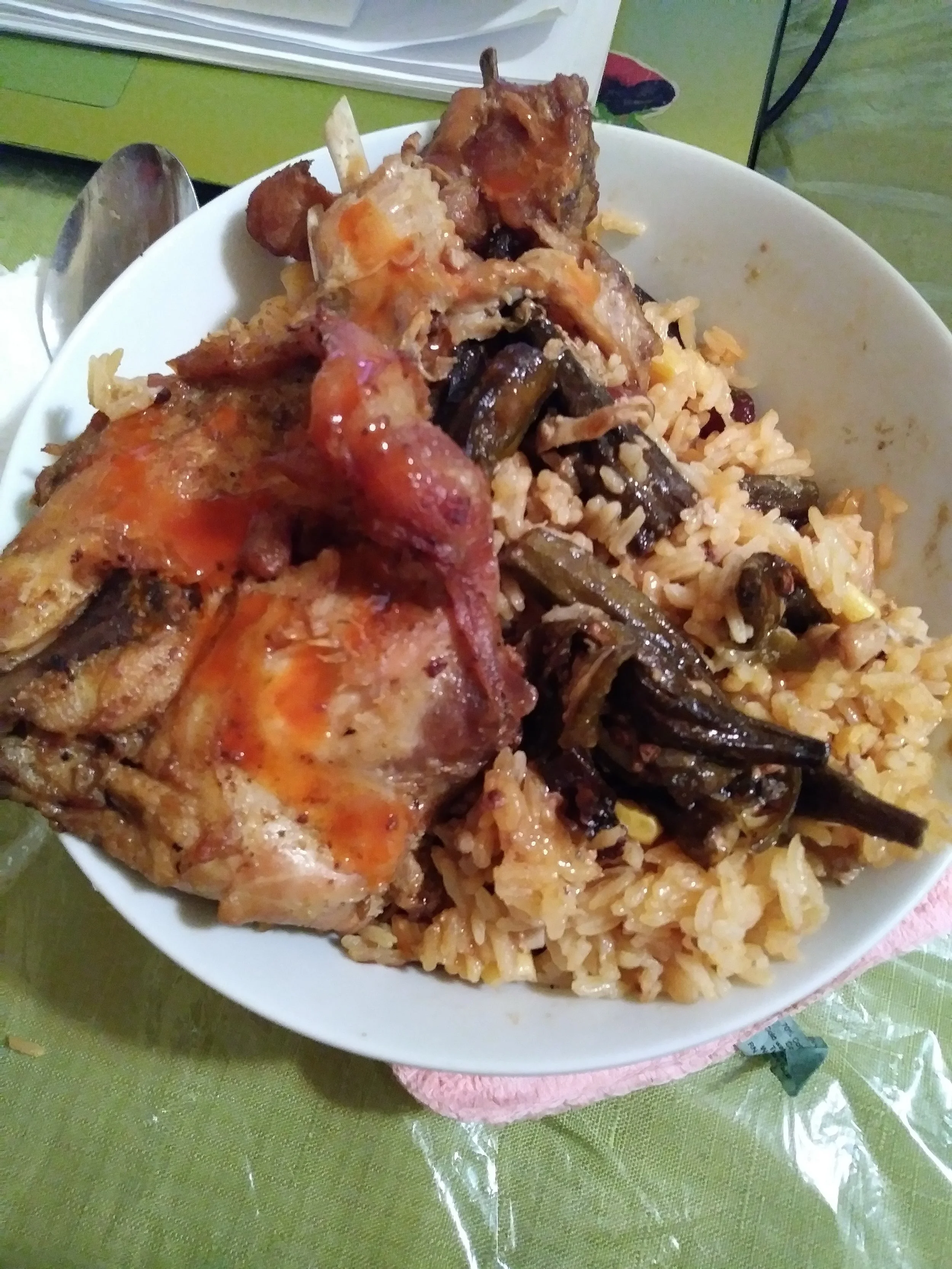
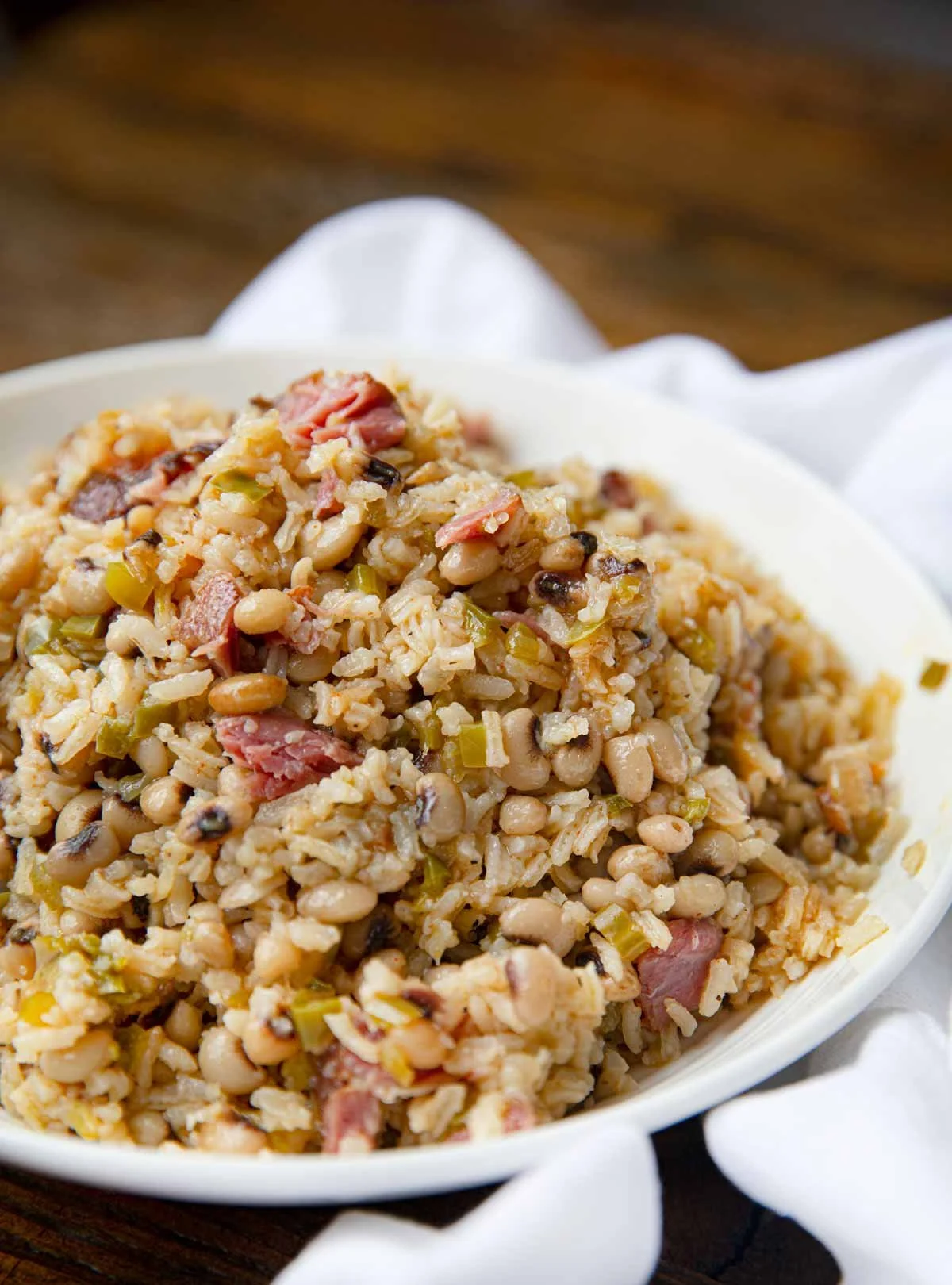
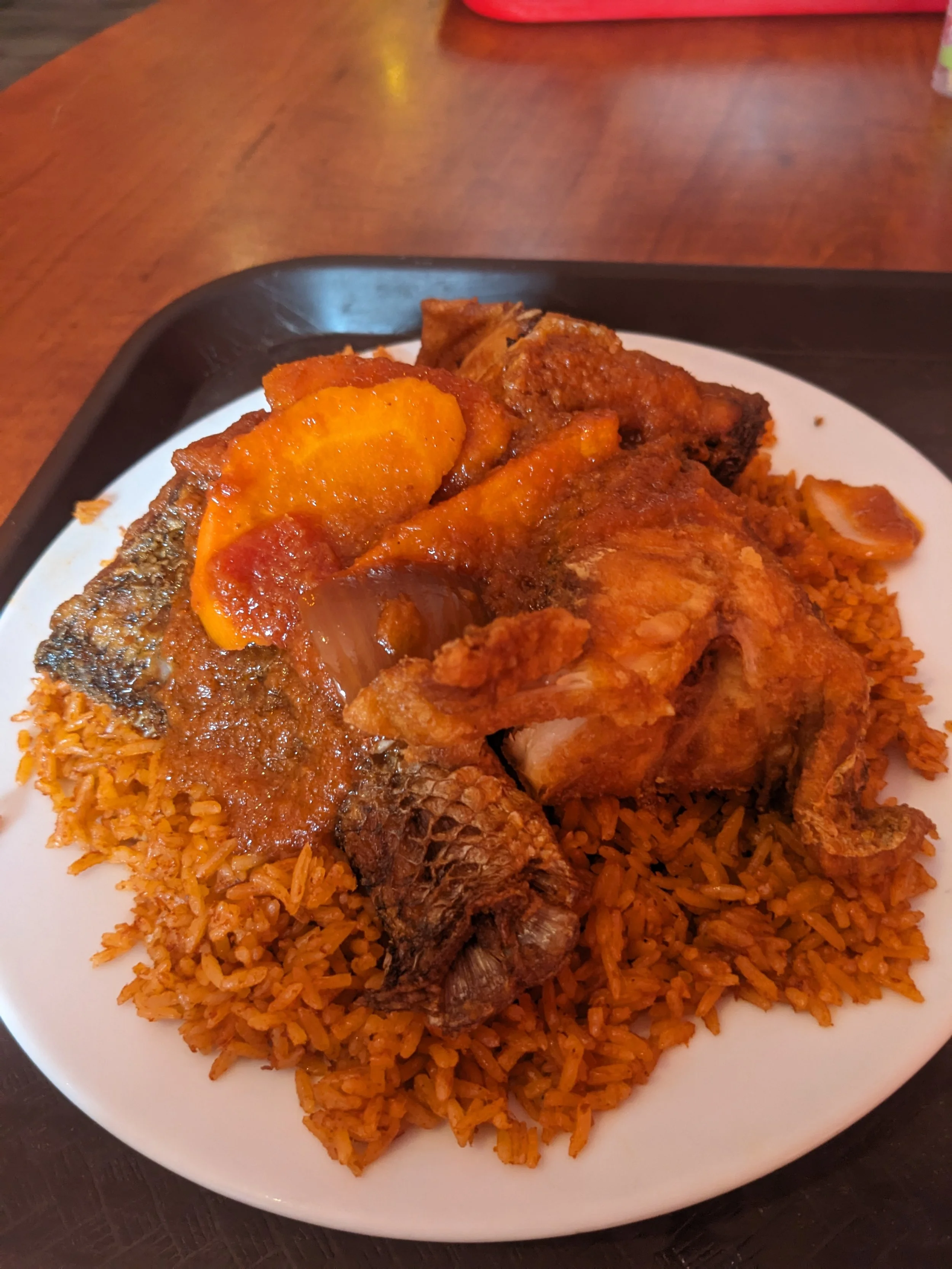
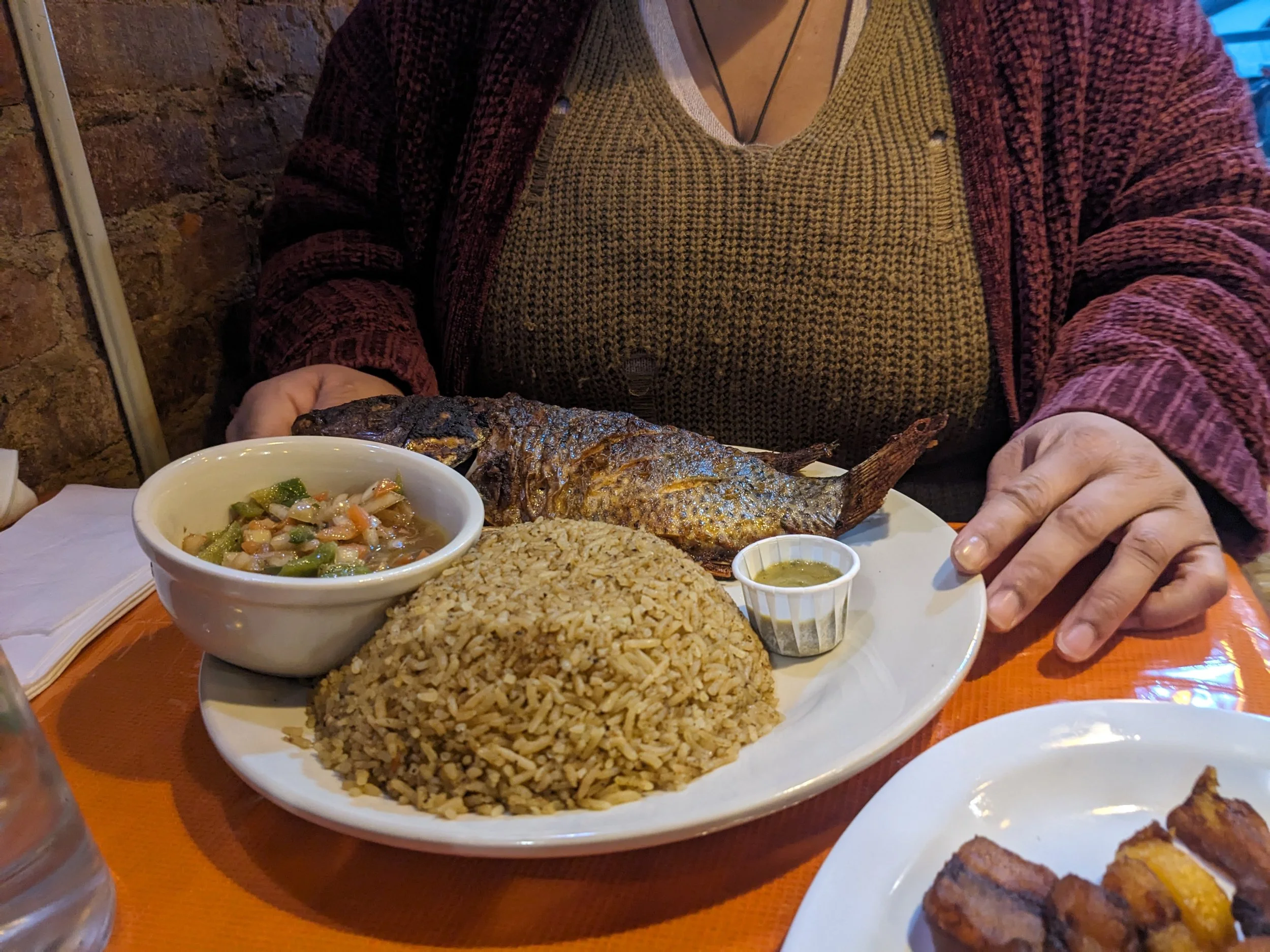
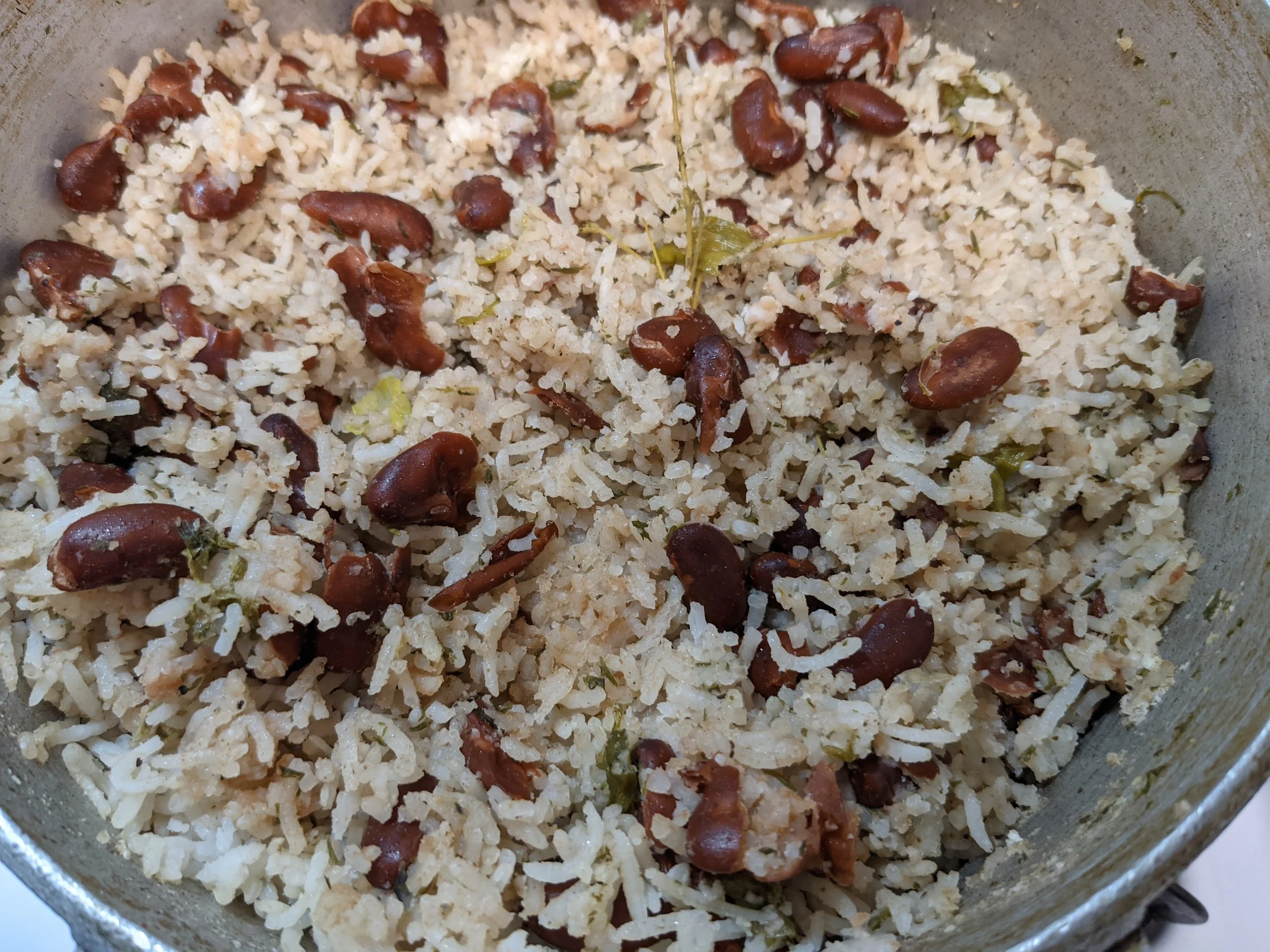
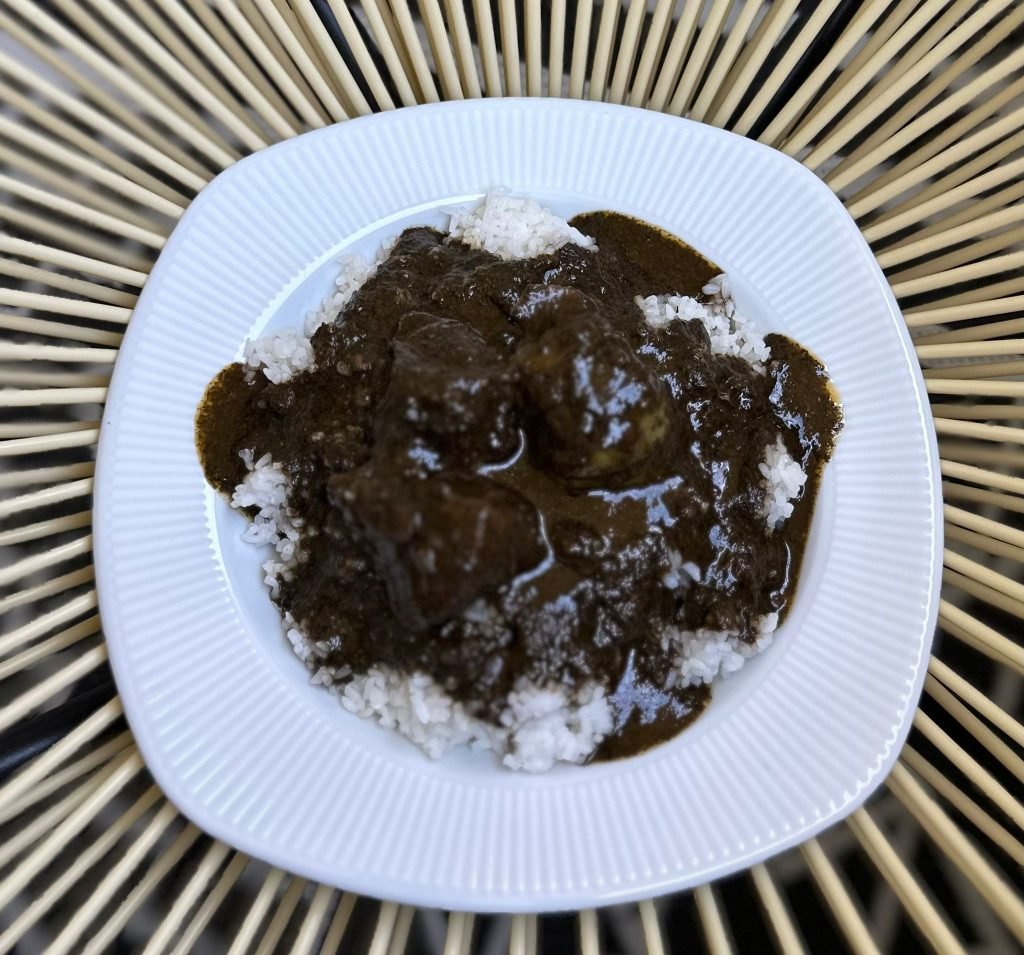
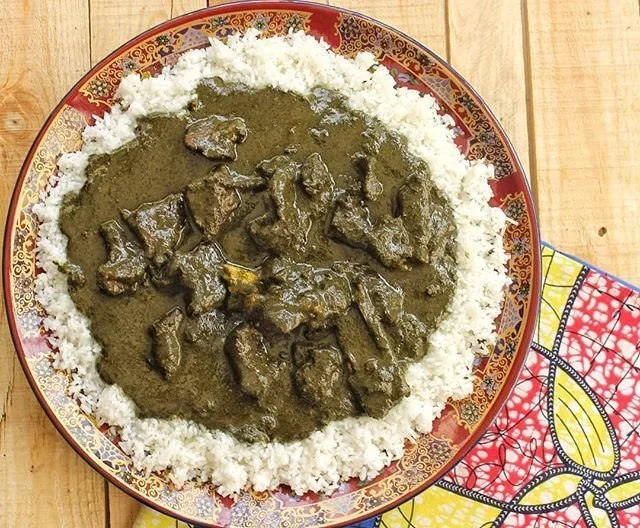
Welcome back to Cooking with Ayana, where we celebrate the rich flavors and stories behind the dishes that unite us across the African diaspora. Today, we’re diving into the world of rice—an essential ingredient that transcends cultures and connects communities from Africa to the Americas. Each rice dish tells a story, reflecting the heritage and traditions of those who prepare it.
#### **Red Beans and Rice: A Louisiana Tradition**
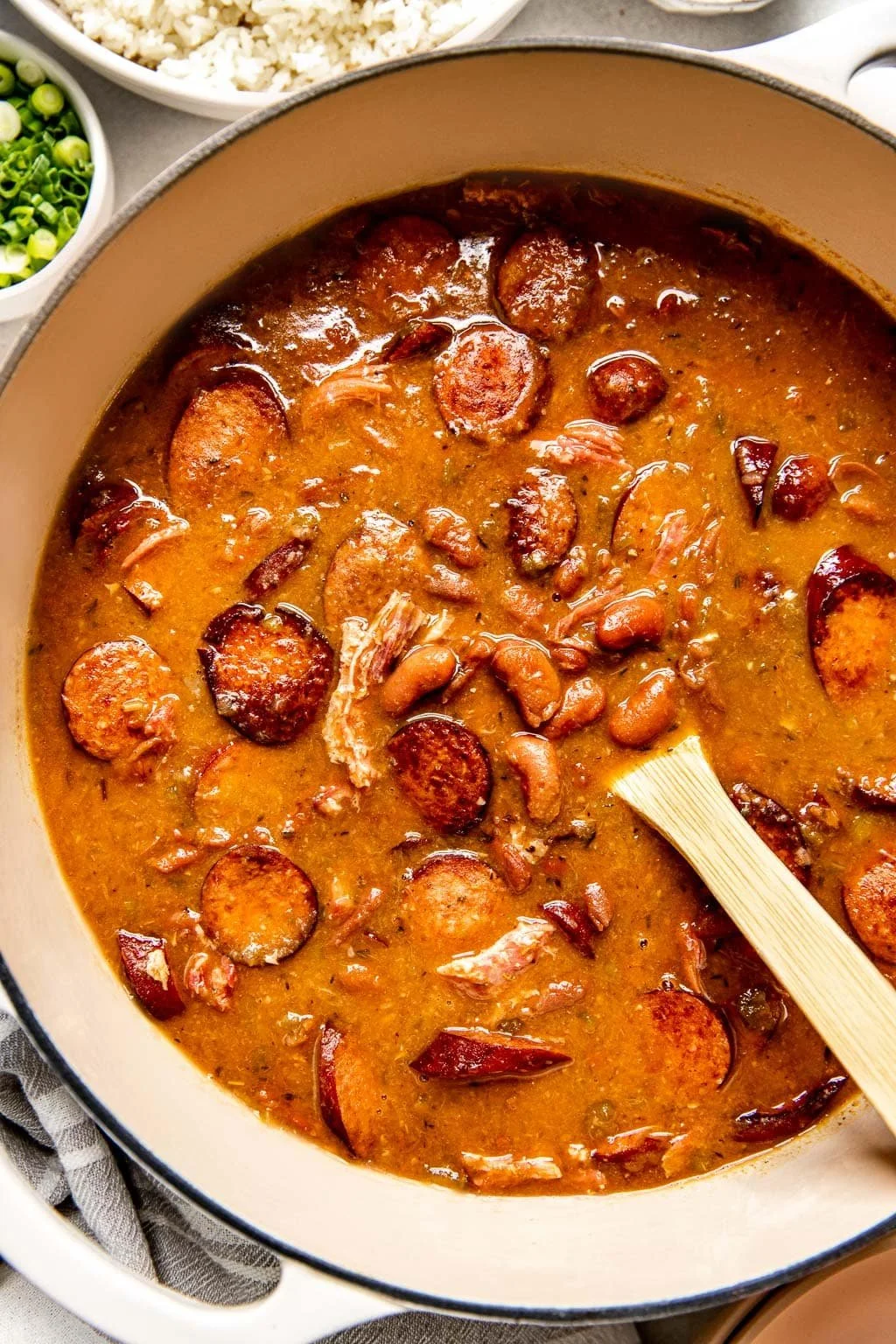
Louisana Style
In Louisiana, red beans and rice is more than just a meal; it's a cherished tradition. This classic dish features red kidney beans simmered with smoked meats, spices, and the holy trinity of Cajun cooking: onions, bell peppers, and celery. Traditionally prepared on Mondays, it allowed families to use leftover ham from Sunday dinners while tending to laundry—a perfect example of resourcefulness.
**Recipe Highlight**: To make authentic New Orleans red beans and rice, start by soaking dried red kidney beans overnight. In a large pot, sauté your vegetables in some oil, then add the soaked beans along with smoked sausage and spices. Let it simmer until creamy, serving it over fluffy white rice for a comforting meal.
#### **Stew Peas: Jamaica's Flavorful Delight**
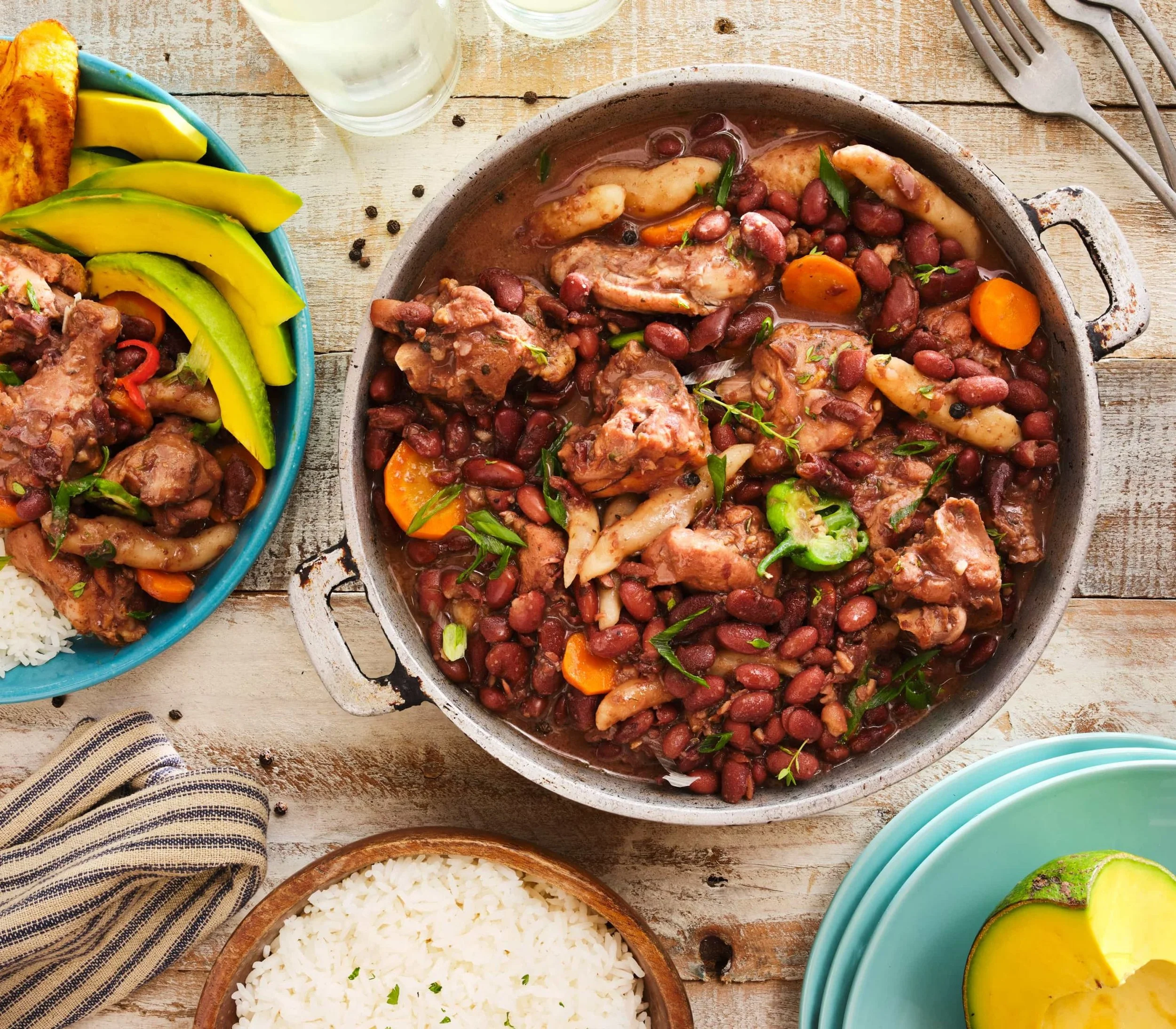
Across the Caribbean in Jamaica, "stew peas" offers a similar comfort. This dish combines kidney beans (or pigeon peas) with pigtails or chicken feet, simmered in coconut milk and seasoned with thyme and scallions. The dish not only nourishes but also carries cultural significance—often enjoyed during family gatherings or special occasions.
**Cultural Connection**: Both red beans and stew peas highlight how kidney beans have become staples in different regions, showcasing their adaptability and nutritional value.
#### **Cook-Up Rice: Guyana’s One-Pot Wonder**
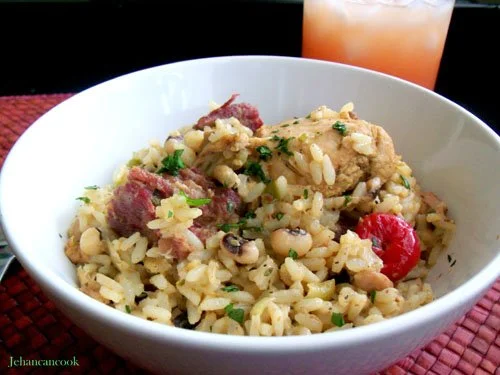
In Guyana, cook-up rice is a beloved dish that brings together various ingredients in one pot. Often prepared during celebrations like New Year’s Eve, it combines rice with meats (like chicken or beef), beans, and spices. The result is a hearty meal that symbolizes abundance and unity.
#### **Hoppin’ John: Southern Roots**

From the Gullah Geechee culture of the Deep South comes Hoppin’ John—a dish made with black-eyed peas and rice traditionally served on New Year's Day for good luck. This connection to fortune reflects the cultural significance of black-eyed peas across many African traditions.
**Recipe Tip**: To make Hoppin’ John, cook black-eyed peas with smoked ham hocks or sausage, then serve over rice for a dish steeped in history and flavor.
#### **Jollof Rice: West Africa’s Culinary Crown Jewel**
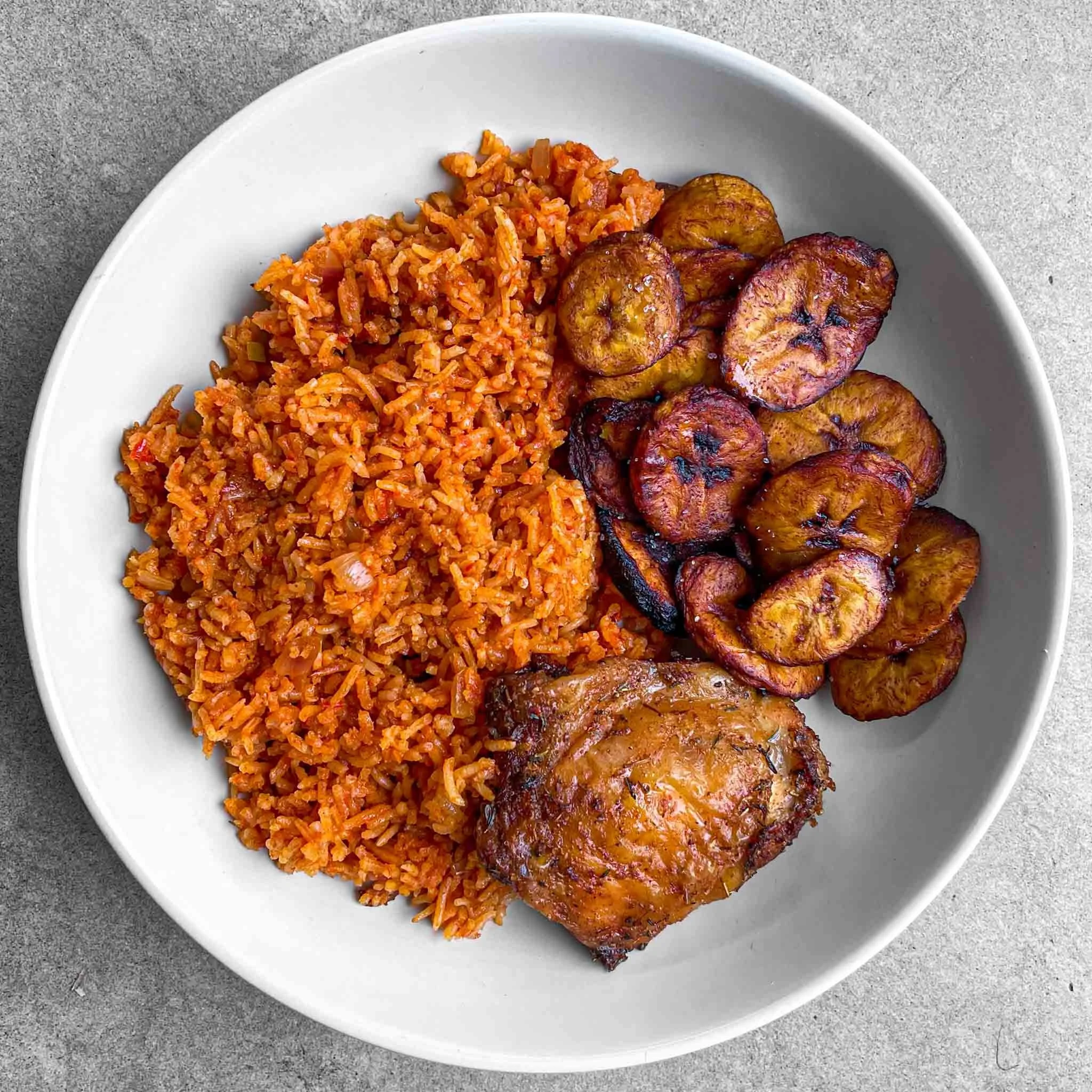
Traveling back to West Africa, we find Jollof rice—a vibrant dish made with tomatoes, onions, and peppers. Each country boasts its own version, but they all share a common goal: to celebrate community through food. The smoky aroma of Jollof rice wafting through gatherings embodies joy and togetherness.
#### **Spanish Rice & Moro: Latin American Influences**
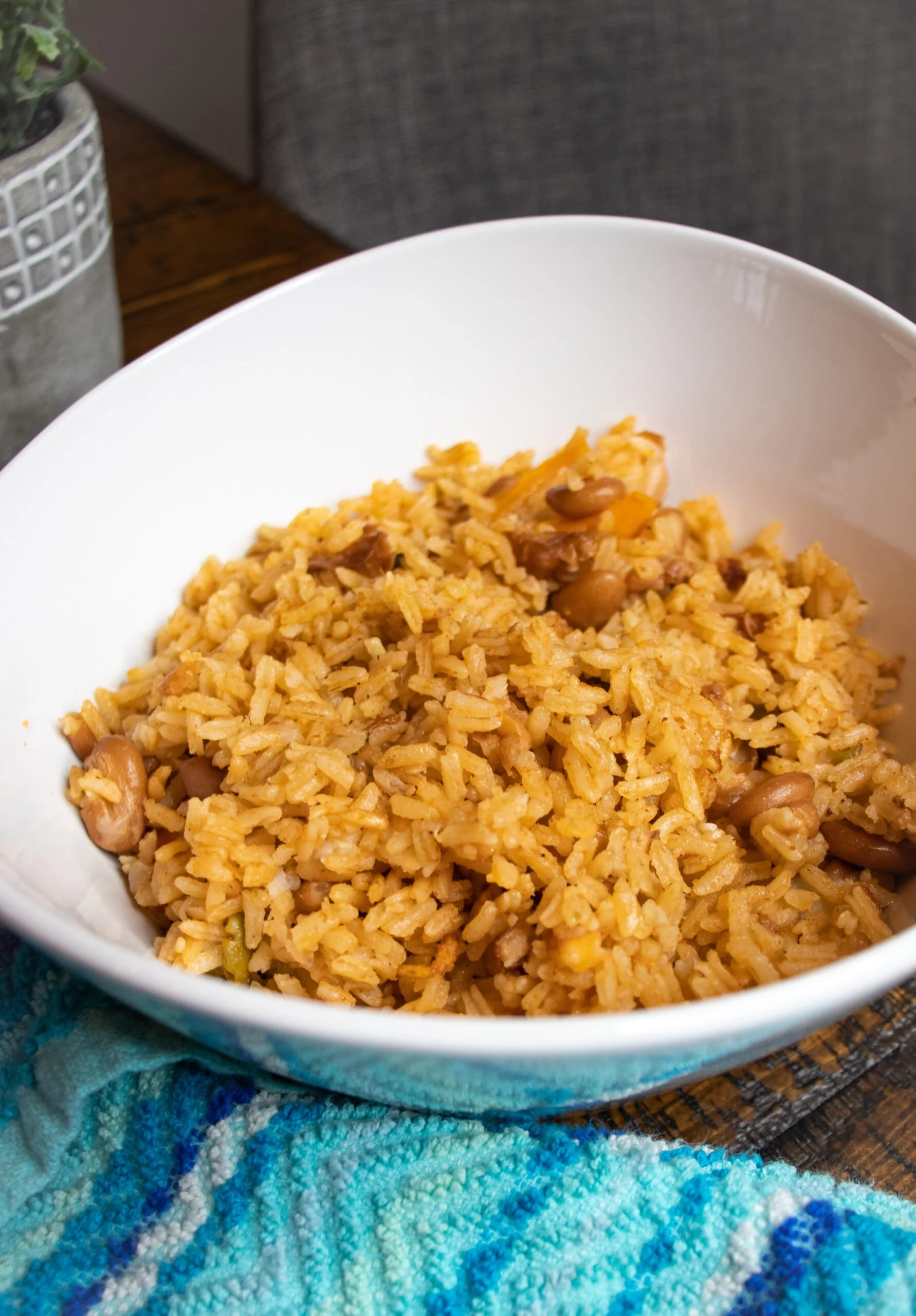
Dominican Moro Rice
In Latin America, rice takes on various forms as well. Puerto Rican arroz con gandules combines rice with pigeon peas and sofrito for a flavorful dish often served during holidays. Similarly, Cuban moro mixes black beans with rice for a hearty meal that reflects the island's culinary heritage.
### **Conclusion**
These diverse rice dishes are more than just food; they are threads woven into the fabric of our cultural identities. By exploring these recipes and their histories, we honor our ancestors' legacies while fostering unity within our communities. So gather your loved ones around the table, share these dishes, and let each bite transport you through time and across continents.
Thank you for joining me on this flavorful exploration! Until next time, keep cooking with love and heritage.
Warm regards,
Ayana
