
The Garifuna: Their Diaspora, Heritage, and Influence on Caribbean Cuisine
The Garifuna—or Garinagu—people are a vibrant Afro-Indigenous community whose story begins on the Windward island of Saint Vincent, where shipwrecked or escaped West Africans intermarried with native Kalinago and Arawak people. The Garifuna developed a distinct language, music, and cuisine, fiercely resisting colonial rule until the British exiled thousands to Roatán, Honduras, in 1797. From there, their diaspora spread across the Caribbean coasts of Central America—to Belize, Honduras, Nicaragua, and Guatemala—where their population thrives, and their traditions continue to flourish.
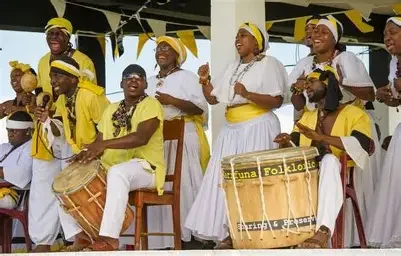
Ancestral Flavors—And Their Journey Across the Caribbean
Garifuna cuisine is a beautiful blend of African, Indigenous, and Caribbean influences shaped by geography, migration, and resilience. Their food is inseparable from memory, land, and sea—reflecting centuries of adaptation and creativity. Nowhere is this blend more evident than in their celebrated use of mashed plantains.
Hudut: Symbol of the Garifuna Table
**Hudut** is a signature Garifuna dish consisting of mashed ripe and green plantains (fu-fu or fufu), traditionally prepared with a wooden mortar and pestle, and served with a rich coconut fish stew called sere. The planting and pounding of plantain for this dish is not just culinary—it is a ritual that connects the community, sustains cultural memory, and mirrors the foodways found throughout the Caribbean.
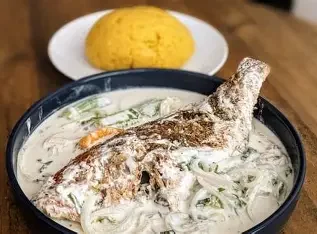
Culinary Cousins—Mofongo, Mangú, and Beyond
The Garifuna’s mashed plantains bear a striking resemblance to dishes like Dominican **mangu** (boiled and mashed green plantains, often breakfasted with sautéed onions, eggs, and cheese) and Puerto Rican **mofongo** (fried and mashed green plantains, blended with garlic, pork, and shaped in a pilón). While the exact method varies—some mash boiled plantains, others fry before pounding—the intent remains shared: create hearty, comfort food that’s filling, affordable, and adaptable.
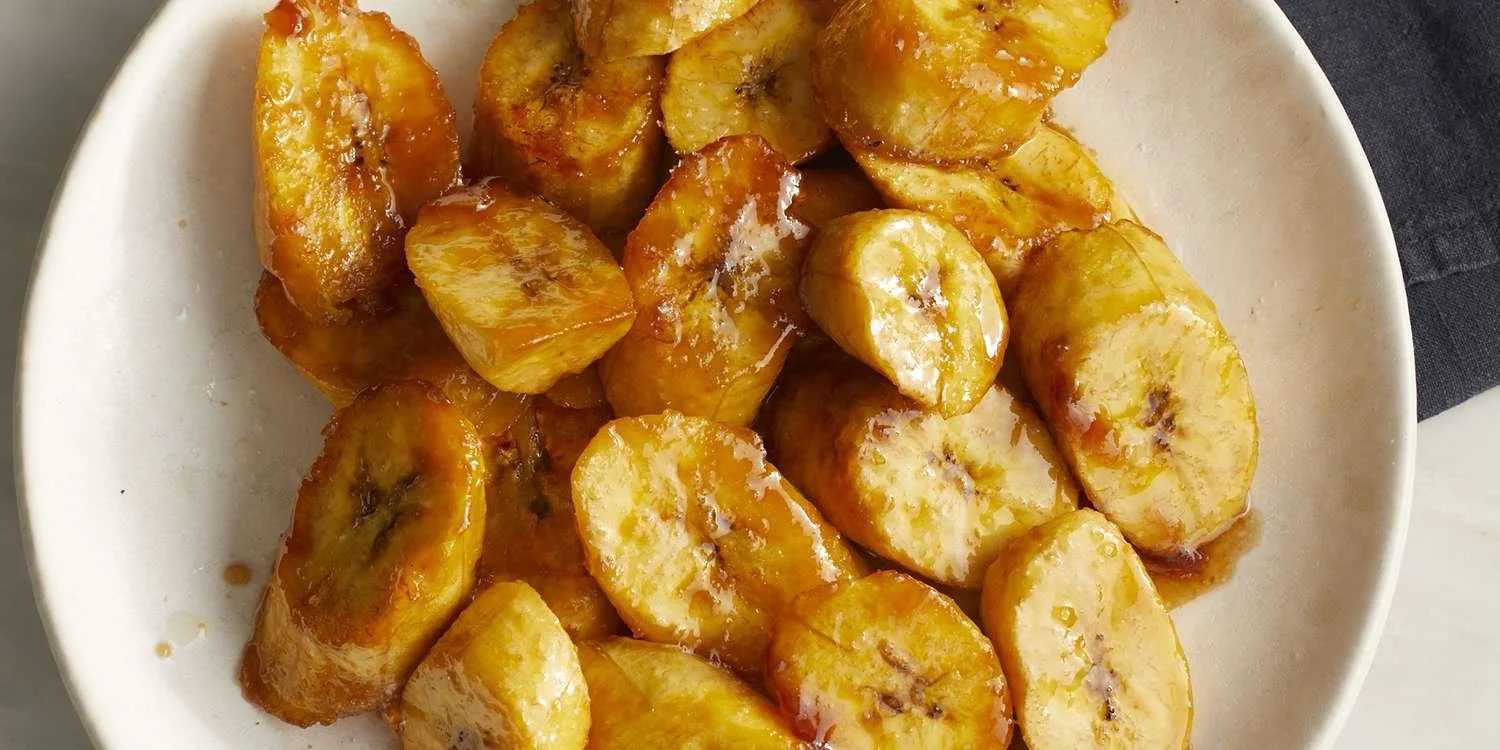
These similarities are no accident. Plantain was brought from Africa by enslaved peoples and became a staple throughout the Caribbean and Latin America, shaped by necessity and inventiveness. Today, whether called hudut, mangu, or mofongo, these dishes tell of intertwined histories, migrations, and shared ancestral wisdom.
More Than Plantains—Diverse Garifuna Dishes
- **Cassava Bread (Areba):** A labor-intensive, crispy flatbread made from grated, pressed cassava—a staple on Garifuna tables, used for ceremonies and everyday meals.
- **Darasa:** Green banana tamales steamed in leaves with hints of citrus.
- **Sere & Bundiga:** Rich coconut-milk stews with fish, okra, and sometimes cassava or green banana, seasoned with local herbs.
- **Tapou:** Fried fish with savory banana-root vegetable stew served over rice.
- **Boil-up:** A one-pot comfort featuring root vegetables, okra, fish, and cassava dumplings.
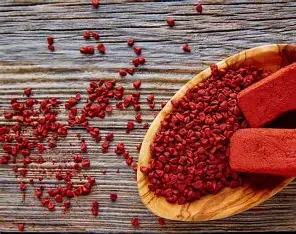
You’ll also find the use of achiote coloring, coconut bake, rice and beans with coconut milk, ceviche, conch fritters, and stews rich with okra, greens, and fiery peppers—echoes of West Africa and the wider Caribbean on every plate.
The Garifuna in Saint Vincent — Living Roots
Saint Vincent remains the ancestral home of Garifuna culture. Though most Garifuna live along the Central American Caribbean coast today, small communities in Saint Vincent and the Grenadines continue to honor their traditions with cassava bread, ceremonial dishes, music, and dance. Festivals there celebrate their roots through food, storytelling, and vibrant public gatherings.

Keeping Culinary Traditions Alive
Across the diaspora, Garifuna cuisine continues to bind communities—serving not just nourishment, but also as a bridge to West African and Indigenous Caribbean pasts. Every family gathering with hudut, sere, or cassava bread is an act of preservation and celebration.
### Darasa: Wrapping Culture and History in Banana Leaves
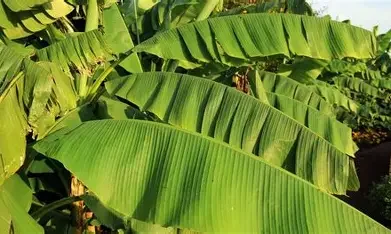
One of the Garifuna’s most celebrated delicacies is **Darasa**—steamed dumplings made from green bananas, finely grated and mixed with seasonings, then wrapped in lush banana leaves and gently cooked until set. These dumplings are served during festivals, family gatherings, and special occasions, each bite bursting with tradition and a subtle, tangy-sweet flavor.
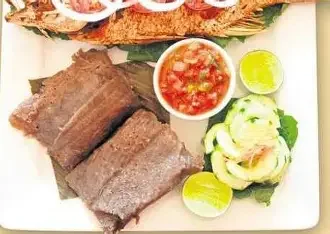
Darasa’s preparation and presentation are part of a much broader culinary tradition found throughout the Caribbean and the Americas. The act of wrapping foods in banana (or plantain) leaves is a culinary ritual—one that preserves moisture, infuses subtle herbal aroma, and creates a dramatic, beautiful presentation.
#### Kindred Dishes Across the Islands and Americas
- **Dunkunu (Dokunu/Dokono):** In Jamaica and Ghana, dunkunu (also called dokunu or kenkey) is a starchy, leaf-wrapped delicacy—sometimes made with cornmeal or green bananas, sweetened or made savory, reflecting both African and Caribbean influences.
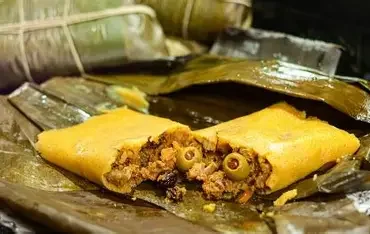
- **Pasteles:** Puerto Rico’s iconic pasteles use grated green plantains or yautía (malanga), seasoned meats, and achiote oil, all bundled in banana leaves then boiled—much like Darasa.[1]
- **Tamales:** In Mexico and Central America, corn masa is stuffed with meats, chilies, or beans, then wrapped in banana leaves or corn husks and steamed. The Garifuna Darasa’s banana base pays homage to these ancient traditions, while the technique mirrors tamale making.
- **Hallacas:** Venezuelan hallacas, Trinidadian pastelles, and Guyanese “conkie” or “dukunna” are all variations with fillings ranging from beef and pork to coconut and raisins, lovingly tied inside banana leaves for holidays and family feasts.
#### Banana Leaves: Culinary Utility Meets Cultural Aesthetic
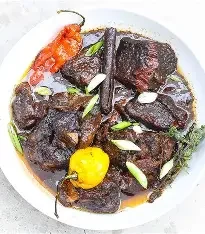
Banana leaves do more than cook—they elevate the meal’s beauty, making dishes festive and earthy. In Guyana, many dishes—including “pepperpot” or “boil & boil”—are sometimes served on banana leaves for heritage events and village gatherings, adding visual drama and underscoring the link to ancestral methods.
Across the Caribbean and Latin America, serving, steaming, or baking on banana leaves signifies community, practicality, and celebration of nature’s gifts. The unwrapping of a hot dumpling or tamal is a sensory revelation—aroma, steam, and color—all carrying the deepest roots of our food culture.
**In summary:**
Garifuna Darasa is part of a tapestry of leaf-wrapped dishes—each unique, yet connected by a common story of resourcefulness, migration, and celebration. Whether enjoying Darasa in Belize, dunkunu in Jamaica, pasteles in Puerto Rico, tamales in Mexico, or conkie in Guyana, we’re all joining in a centuries-old ritual of hands, leaves, and hearts.
