
The Melting Pot: African & Caribbean Stews and Soups — Heritage Simmering in Every Pot
Stews and soups are far more than comfort food in the Caribbean and New York City—they are flavorful vessels carrying stories of migration, survival, and cultural fusion, they stand as vibrant crossroads where diverse global traditions and foodways meet, blend, and flourish. From West Africa to the Caribbean to diasporic cities like NYC, these dishes connect communities across continents and centuries, preserving ancestral knowledge and elevating everyday ingredients into sacred celebration.
At the heart of this cultural fusion are the rich, flavorful stews and soups that tell enduring stories of ancestry, migration, and resilience. These dishes—rooted in African culinary heritage and transformed across continents—continue to unify diasporic communities around shared rituals of cooking and communal feasting.
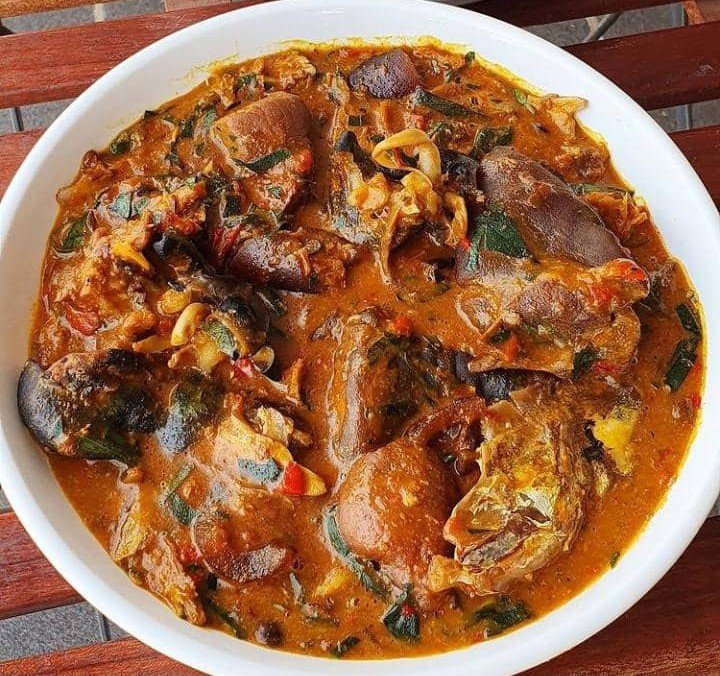
- **Ogbono Stew:** A popular southern Nigerian dish made with ground ogbono seeds derived from the African mango. Its signature slimy texture resembles that of okra, creating a velvety consistency enriched with meats, dried fish, and local spices. Ogbono is often paired with fufu or garri, revealing a connection to Indigenous food staples that have sustained communities for generations.
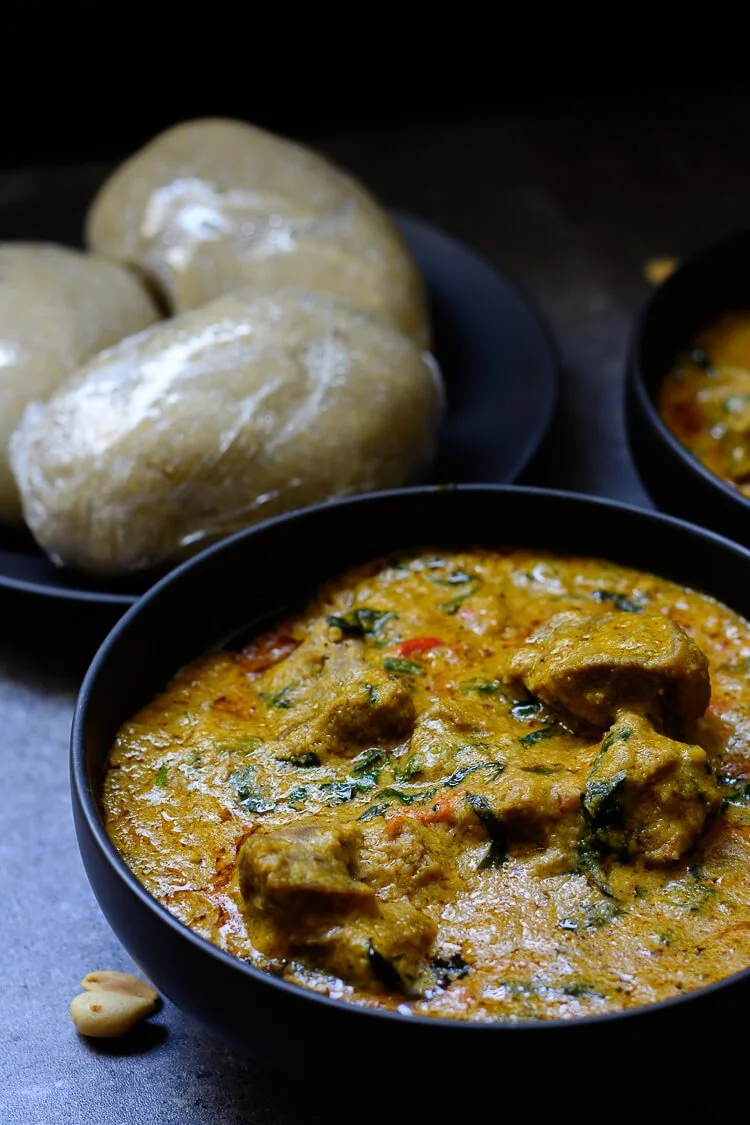
- **Ghana’s Groundnut Soup:** Known across Ghana and parts of West Africa, groundnut (peanut) soup combines the creamy richness of peanut paste with spicy aromatics and meats like chicken or fish. Served traditionally with fufu or banku, it represents both agricultural innovation and the integration of local crops with communal nourishment. This soup’s roots extend into African farming and family meal customs that emphasize shared plates and celebration.
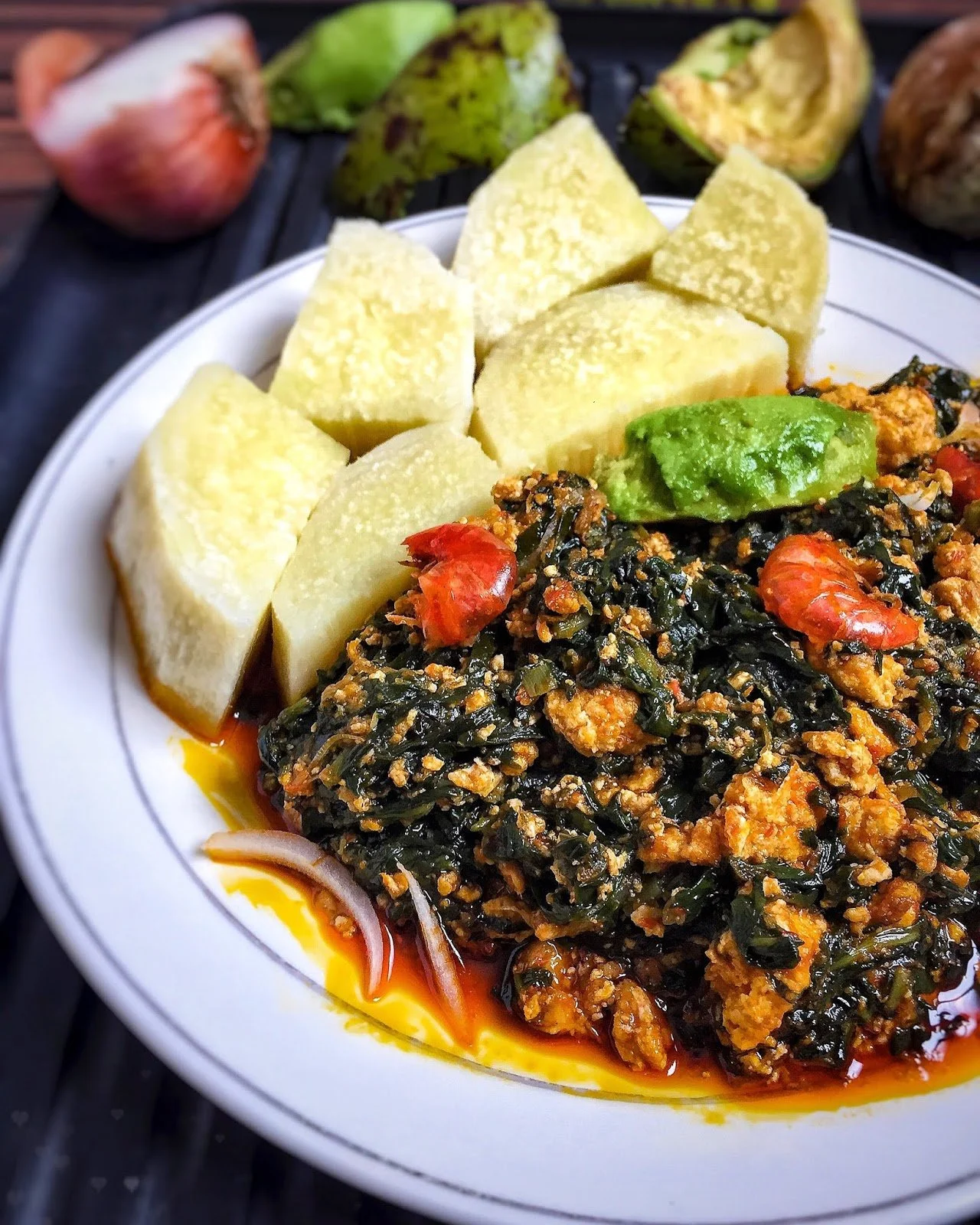
- **Kontomire Stew (Palava Sauce):** Hailing from Ghana, kontomire stew uses cocoyam leaves, palm oil, dried fish, and spices to create a vibrant, healthful dish often served with rice, yam, or plantains. This stew connects agricultural knowledge with nutritional wisdom and carries forward Indigenous Ghanaian foodways.
West Africa & Beyond: Lesser-Known Treasures
West Africa offers a treasure trove of specialized stews reflecting varied ethnicities and landscapes.
From Senegal we find maafe, a peanut stew woven into Wolof, Mandinka, and Bambara cultures, its flavor rooted in the harmony of ingredients and ethnic traditions. Yassa, with its vibrant lemon-onion marinade, embodies hospitality and family—the very heart of Senegalese culture. Thieboudienne, the nation’s celebrated rice and fish dish, draws from coastal bounty and communal sharing, representing more than a meal but cultural identity passed through generations.
- **Senegal’s Maafe (Peanut Stew):** A beloved dish across Senegal, Mauritania, and Mali, maafe uses peanut butter as a base for rich, tangy stews filled with vegetables, meats, or fish. Its resonant flavors are entwined with the history of peanut cultivation and the mingling of Wolof, Mandinka, and Bambara peoples. Variants are popular in the diaspora, serving as a taste of home and history.
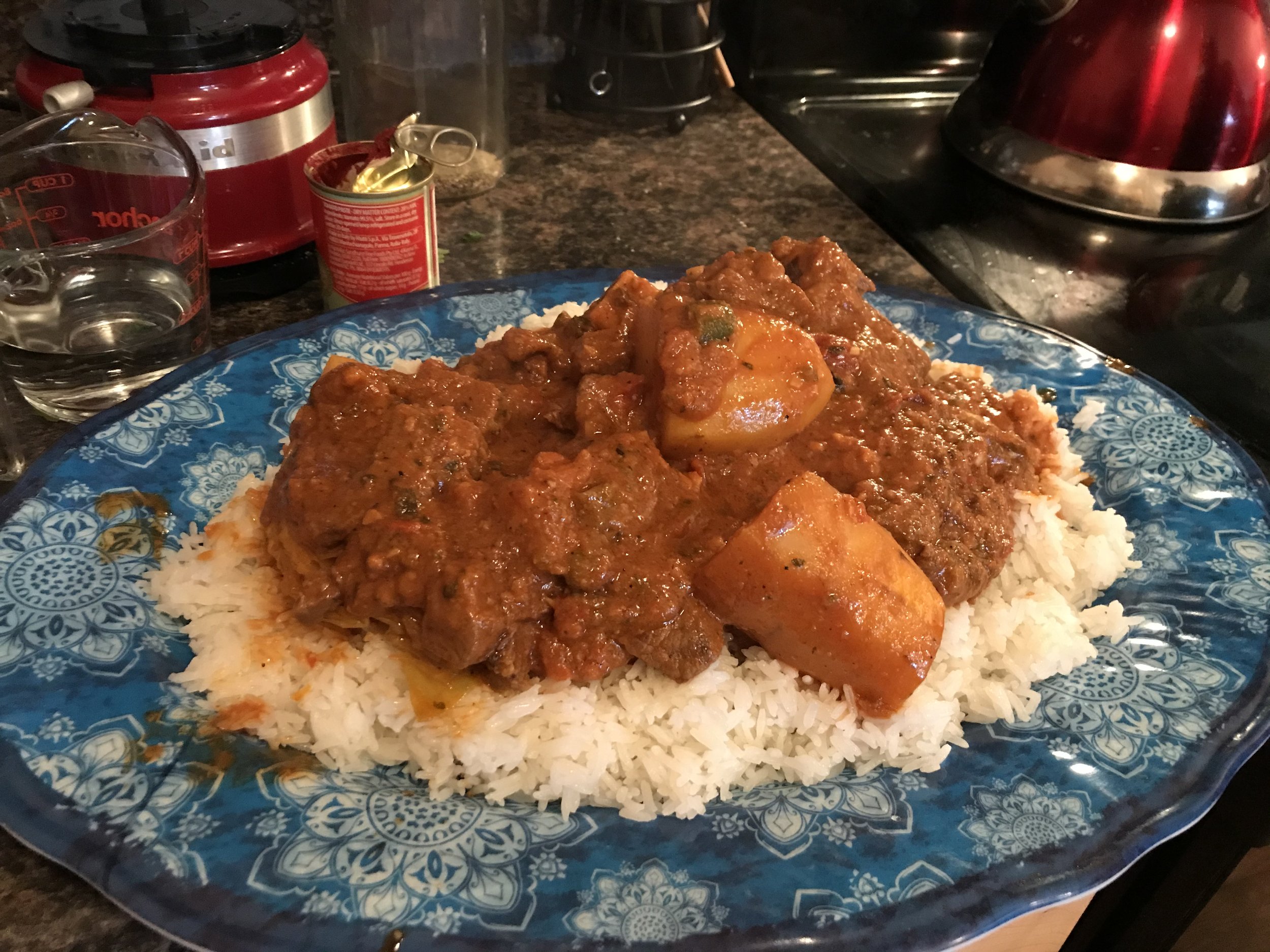
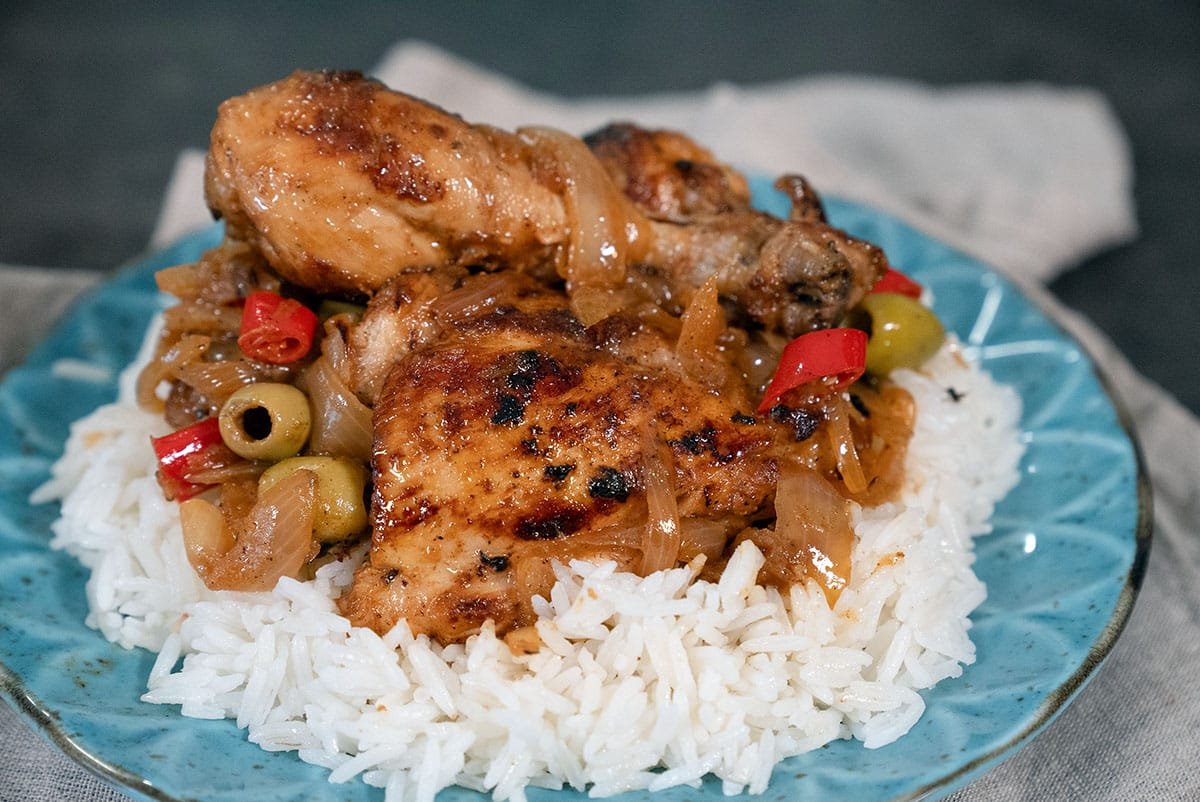
- **Yassa:** Originating with the Wolof people of Senegal, yassa features marinated chicken or fish cooked with caramelized onions, mustard, and lemon juice, producing a tangy and deeply aromatic stew. Prepared for family gatherings and celebrations, yassa reflects the importance of hospitality (“teranga”) and cultural pride.
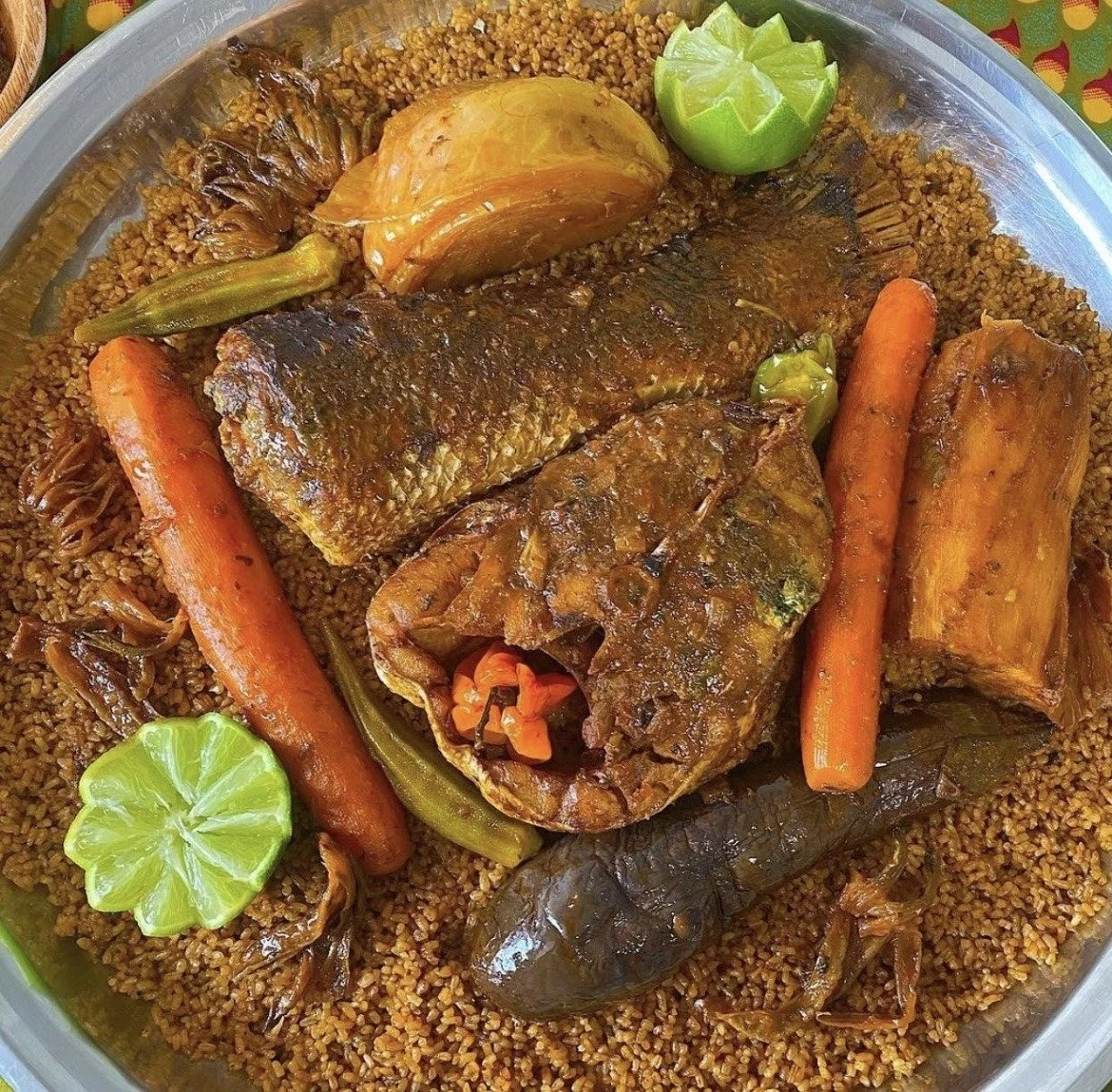
- **Thieboudienne:** Senegal’s national dish, meaning “rice and fish” in Wolof, was born in fishing communities and combines broken rice, fish, vegetables, and spices. It embodies communal dining rituals and hospitality, offering a direct link to coastal life and culinary innovation that influenced Creole and Gullah cuisines in the Americas.
Mali’s fakoye and tigua dègna may be less well known but are equally vital, reminding us that African cuisines are rich, layered, and diverse—each dish a cultural emblem and act of preservation.
Thank you, to our SYEP ‘24 intern Mahsonne, for highlighting these culinary gems that deserve recognition in the global conversation- Chef Ayana
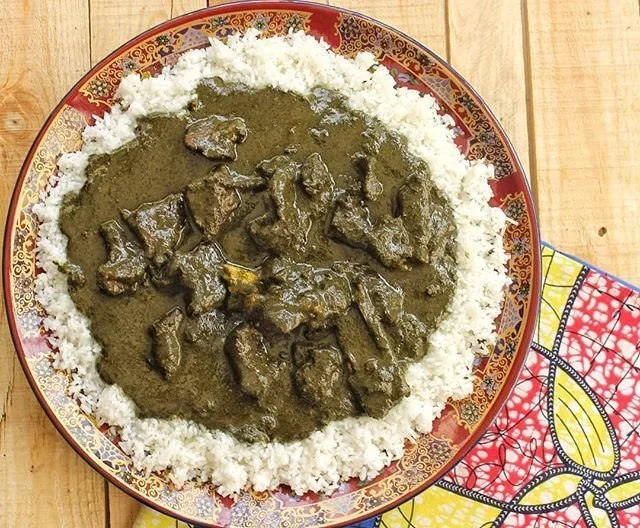
- **Fakoye (Mali):** A northern Malian stew made with jute leaves, mutton, and a delicate spice mix highlights the diversity and depth of Mali’s culinary heritage. Fakoye showcases lesser-known African ingredients and preparation methods treasured within specific ethnic groups.
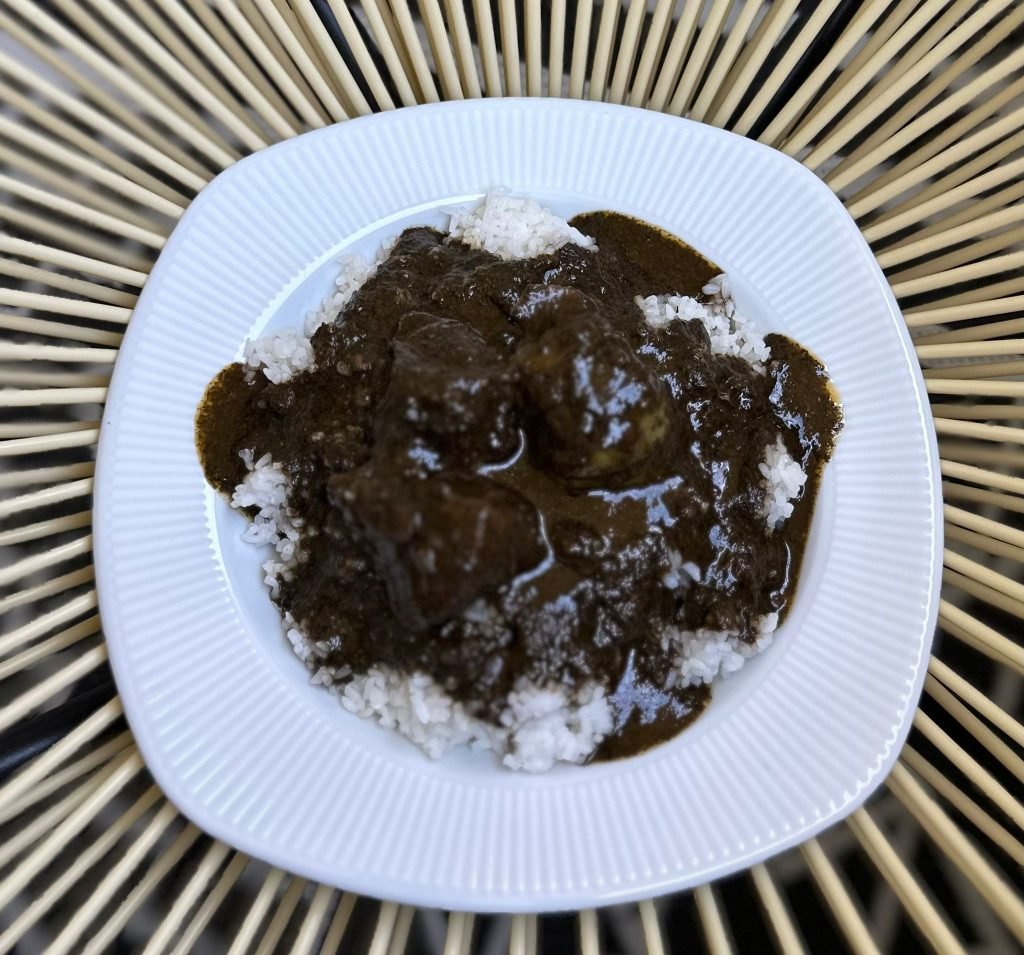
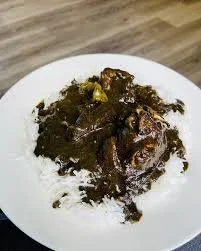
*Tigua Dègue
A rich, hearty stew found in some West African regions, this dish exemplifies the localized food cultures that contribute to the continent’s vast culinary landscape.
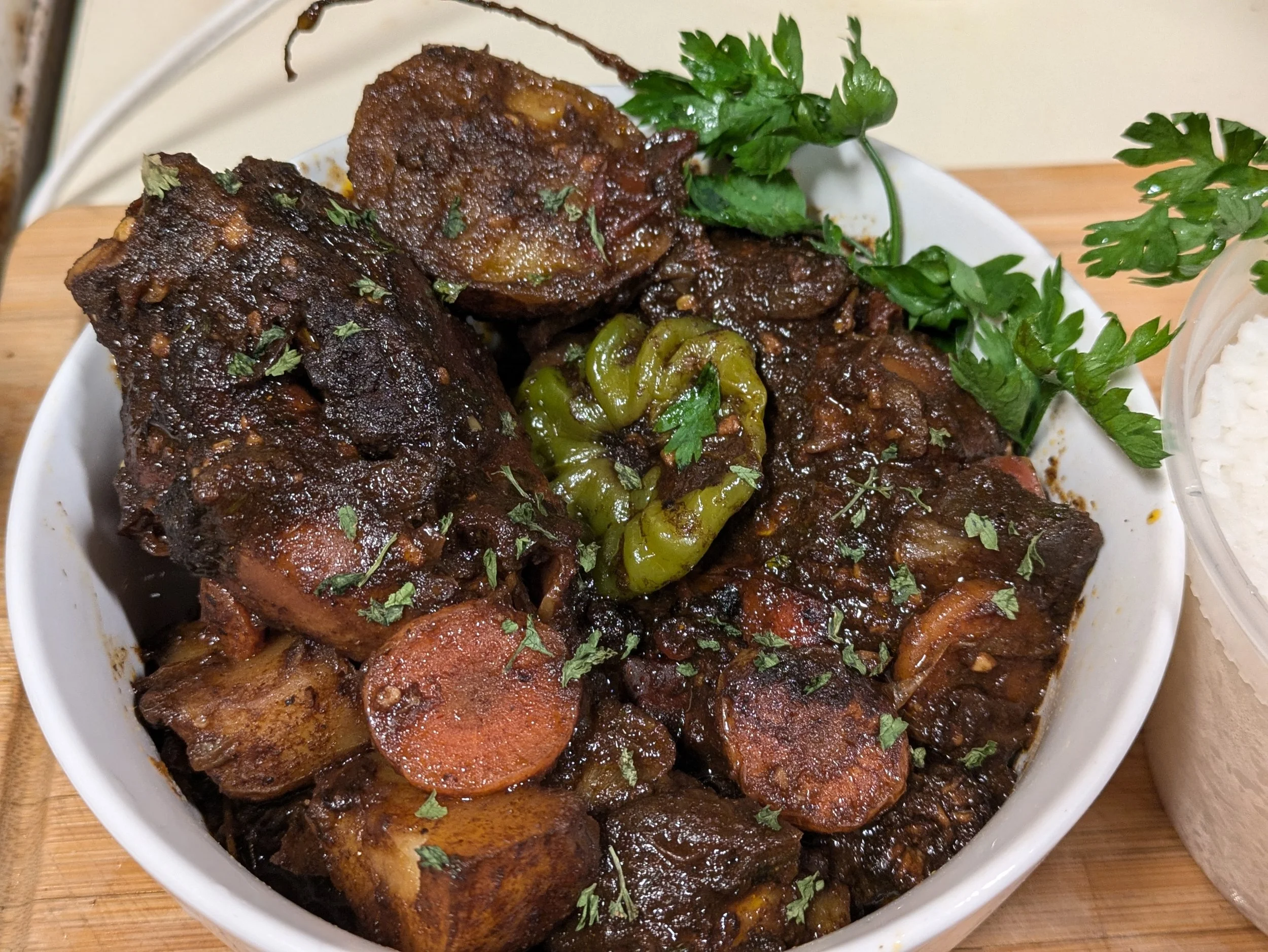
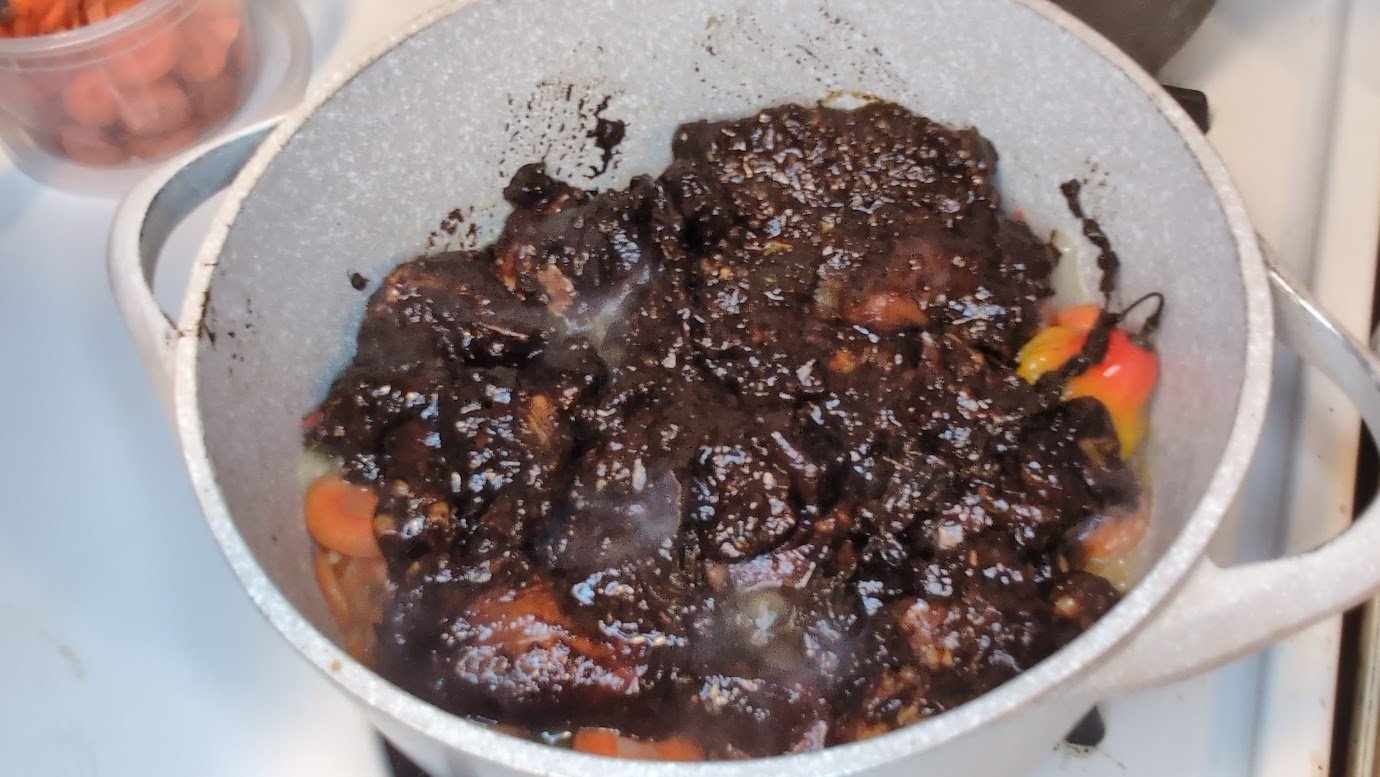
Chef Ayana’s stew chicken with rich dark browning sauce peep the resemblance!
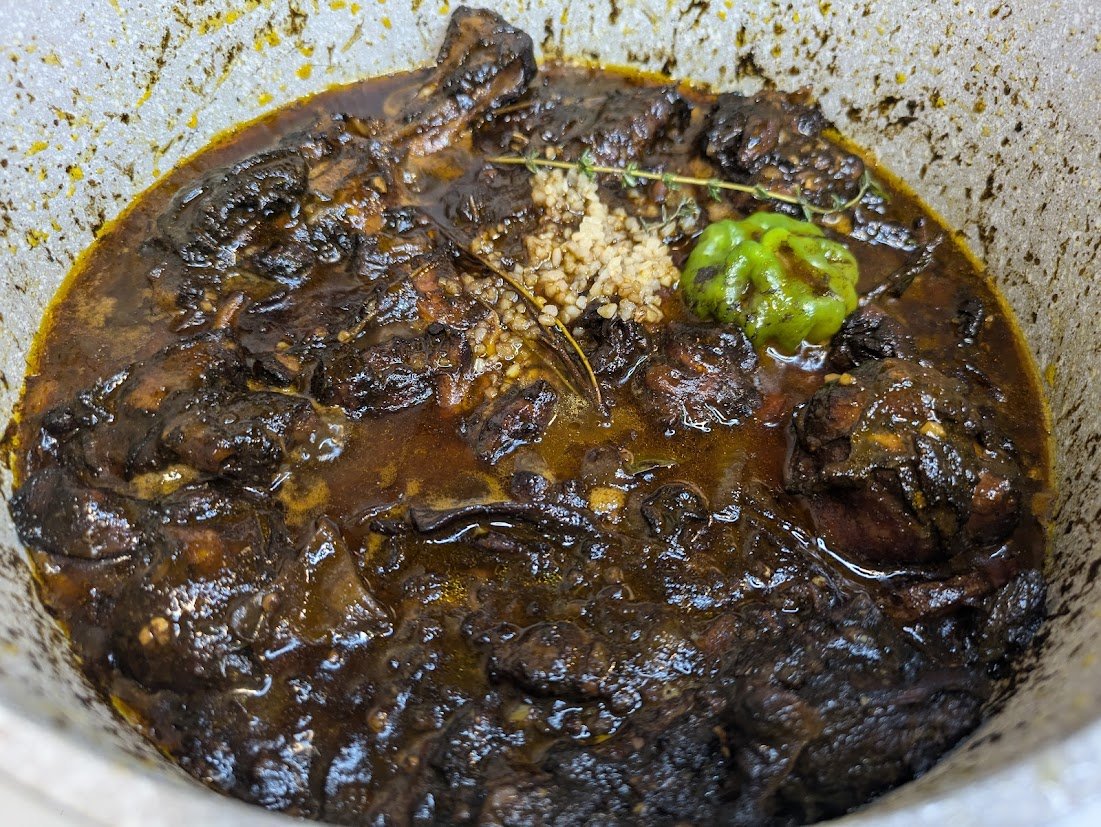
Chef Ayana’s stewed chicken!
Diasporic Connections: African Stews in Caribbean Kitchens
The vibrant African culinary legacies carried in the transatlantic diaspora reimagine their ancestral stews as unique Caribbean versions:
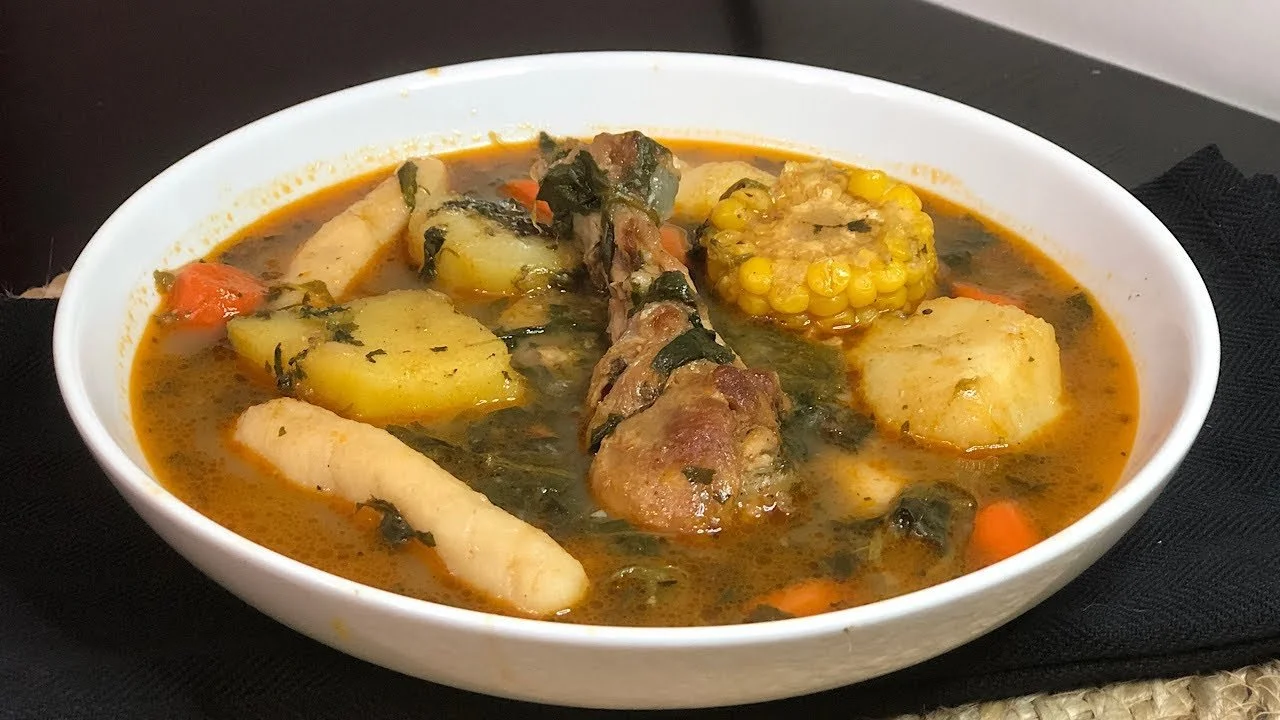
- **Haitian Bouillon:** A traditional hearty broth laden with meats, vegetables, and herbs, bouillon draws from African soup-making techniques and Indigenous produce. It serves as a restorative, family-centric meal and a reminder of resilience and cultural fusion.
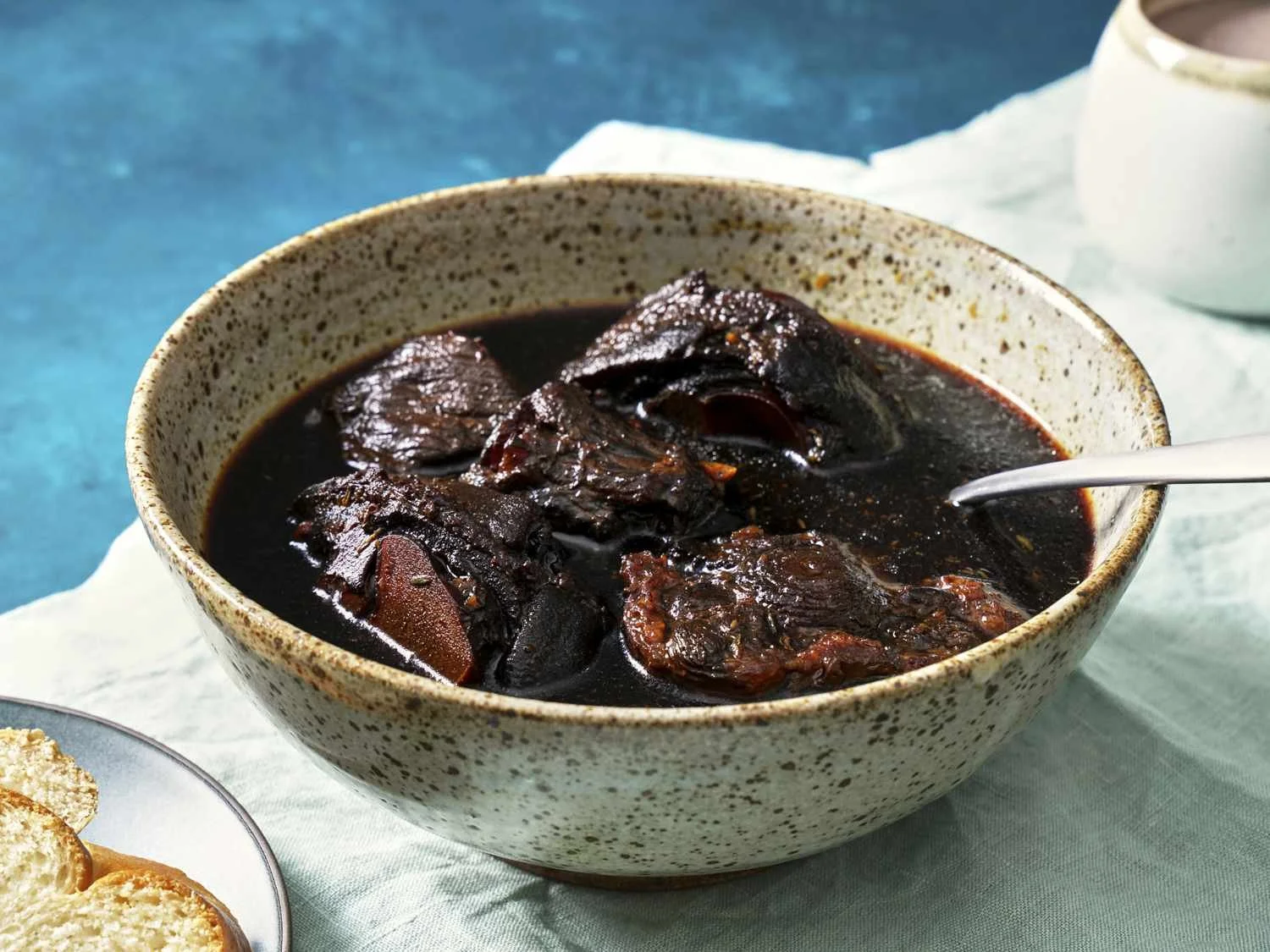
-Guyanese Pepperpot : Rooted in Amerindian and African heritage, Pepperpot is a spiced meat stew slow-cooked with herbs, cassareep, and hot peppers. It evokes the depth of indigenous culinary traditions and embodies survival, healing, and celebration.
African Stews: Roots That Run Deep
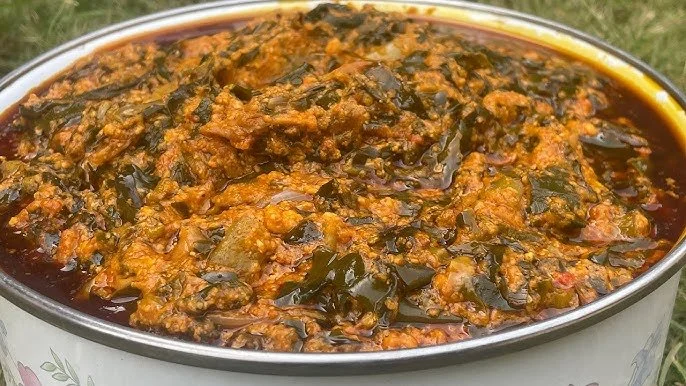
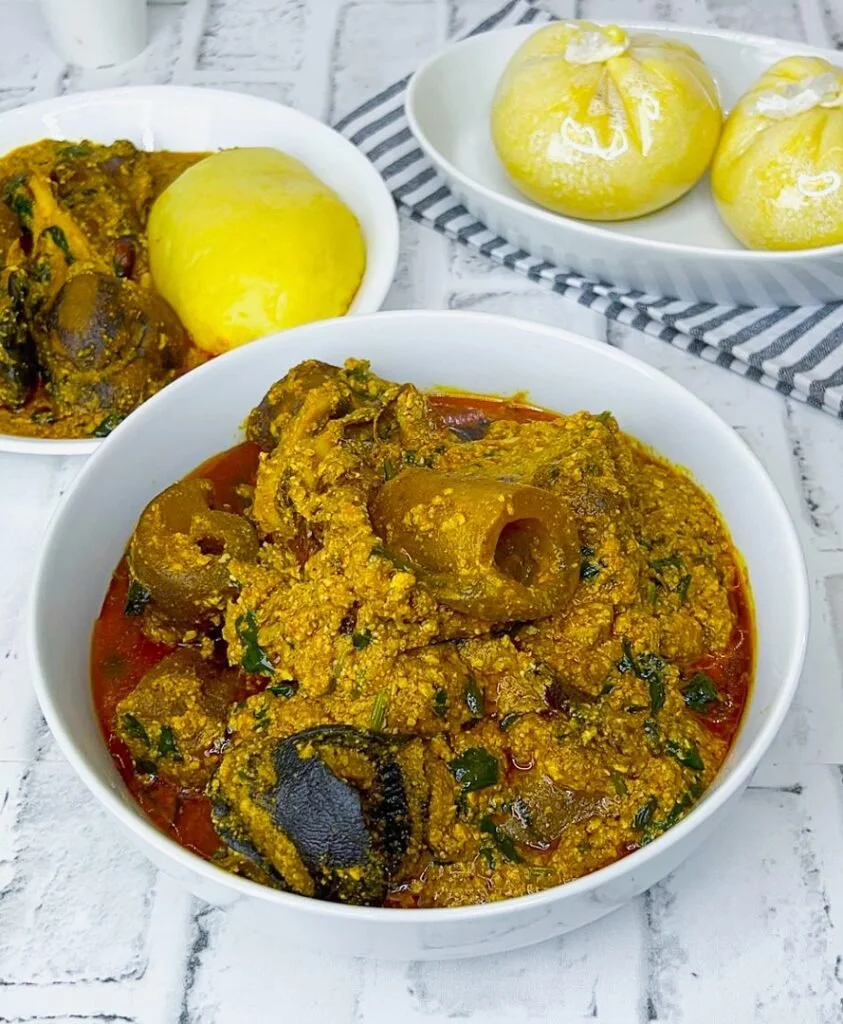
Originating with the Yoruba people of Western Nigeria, egusi soup features ground egusi seeds (from the melon family) that thicken the heart of the dish. Combined with leafy greens, meats, fish, and palm oil, the soup is as nourishing as it is celebratory. Traditionally served at weddings and festivals, egusi soup symbolizes prosperity and communal abundance. Its preparation is a cultural ritual that connects families to their Yoruba heritage.
Or ogbono stew, known for its unique, slippery texture derived from the African mango seed—a texture that echoes the mucilaginous qualities held sacred in African cooking.
A Caribbean Kitchen’s African Echoes
The beautiful thing about the Caribbean is how these African legacies resonate through local adaptations. Haitian **bouillon**, for example, is a hearty, layered broth brimming with meats, vegetables, and herbs. The word *bouillon* itself means “broth” or “stock” in French, reflecting the French colonial influence intertwined with Indigenous and African practices. Interestingly, the term has taken on a vibrant life of its own in Caribbean and African diasporas.
In Haitian, Caribbean, African, Latin American, and even many American kitchens, **bouillon cubes and powders** such as Maggi or local brands have become indispensable seasoning staples. These small cubes—beef, chicken, vegetable flavored—pack a punch of umami and depth, acting as a quick stock base that links modern convenience with culinary tradition. Who knew that something as humble as a bouillon cube could connect continents and generations, seasoning everything from a pot of hearty Haitian stew to a West African jollof rice or a Caribbean callaloo?


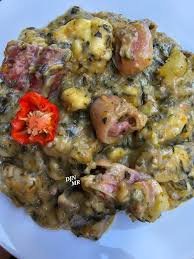
Trinidadian **oil-down** is a one-pot, richly layered stew. It’s a symbol of multicultural fusion: African, Indian, Indigenous, and European foodways mingling in a savory coconut-milk bath, often shared communally at gatherings, celebrations, or just joyful everyday meals. This one-pot dish combines salted meat, green bananas, dumplings, vegetables, and coconut milk, it’s a communal meal that embodies the island’s multiculturalism and shared histories.
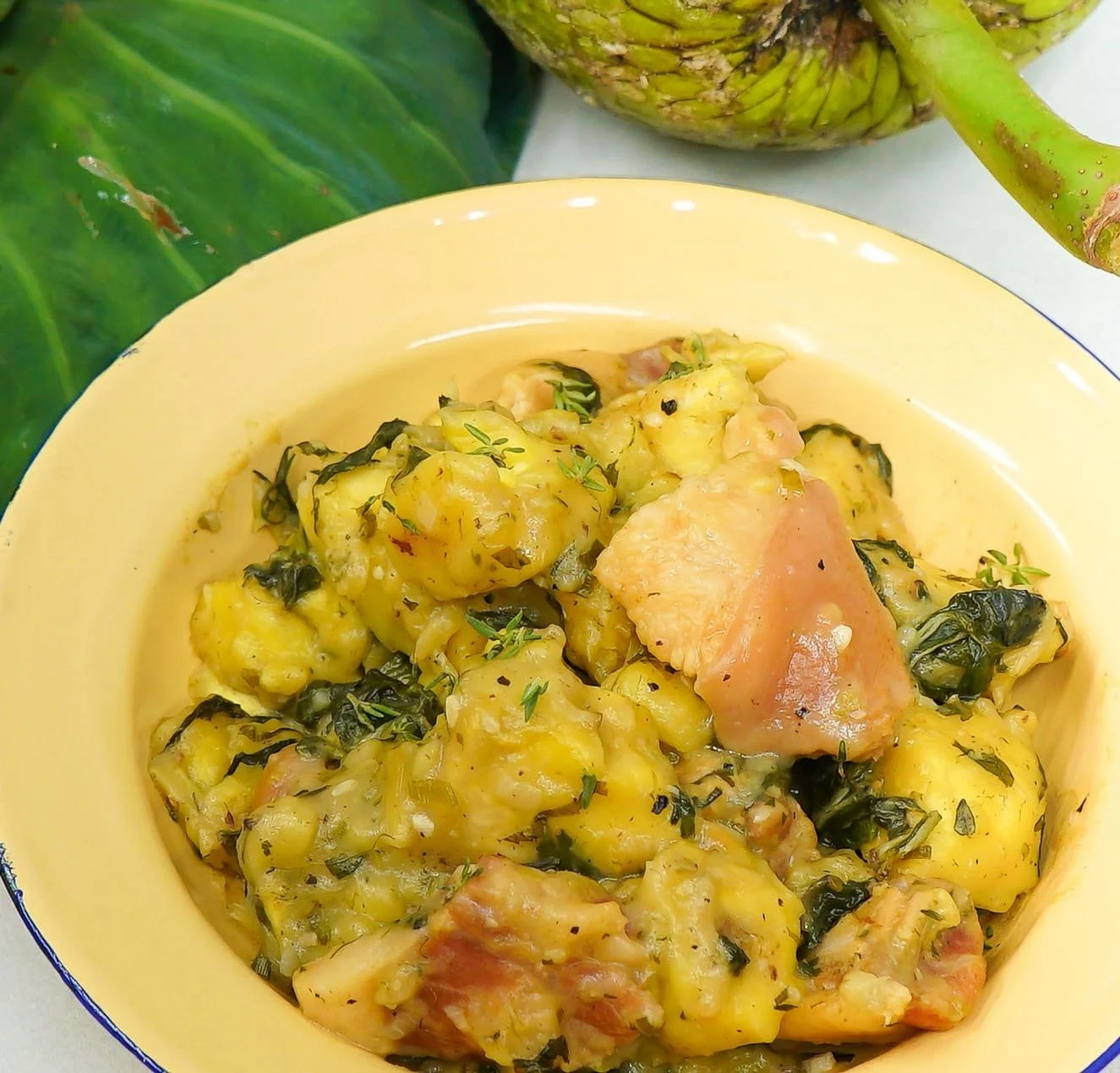
Haitian Legume: A Bowl of Ancestral Storytelling
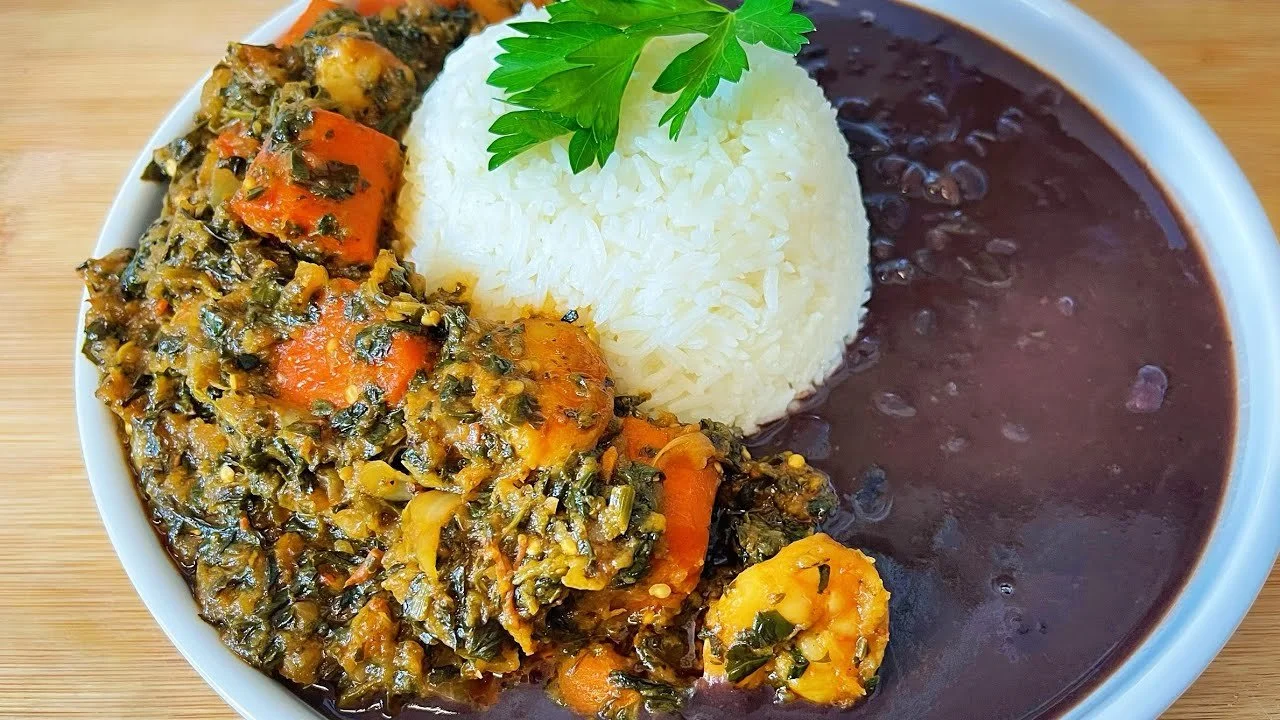
Within Haitian foodways, legume—a thick vegetable and meat stew cooked with various leafy greens, carrots, eggplants, and often chunks of beef or pork—is highly prized. Far from a mere dish, legume is an edible history book. Its layers reveal the blending of Taino Indigenous knowledge about local plants, African cooking traditions of stewing and seasoning, and European influences in technique.
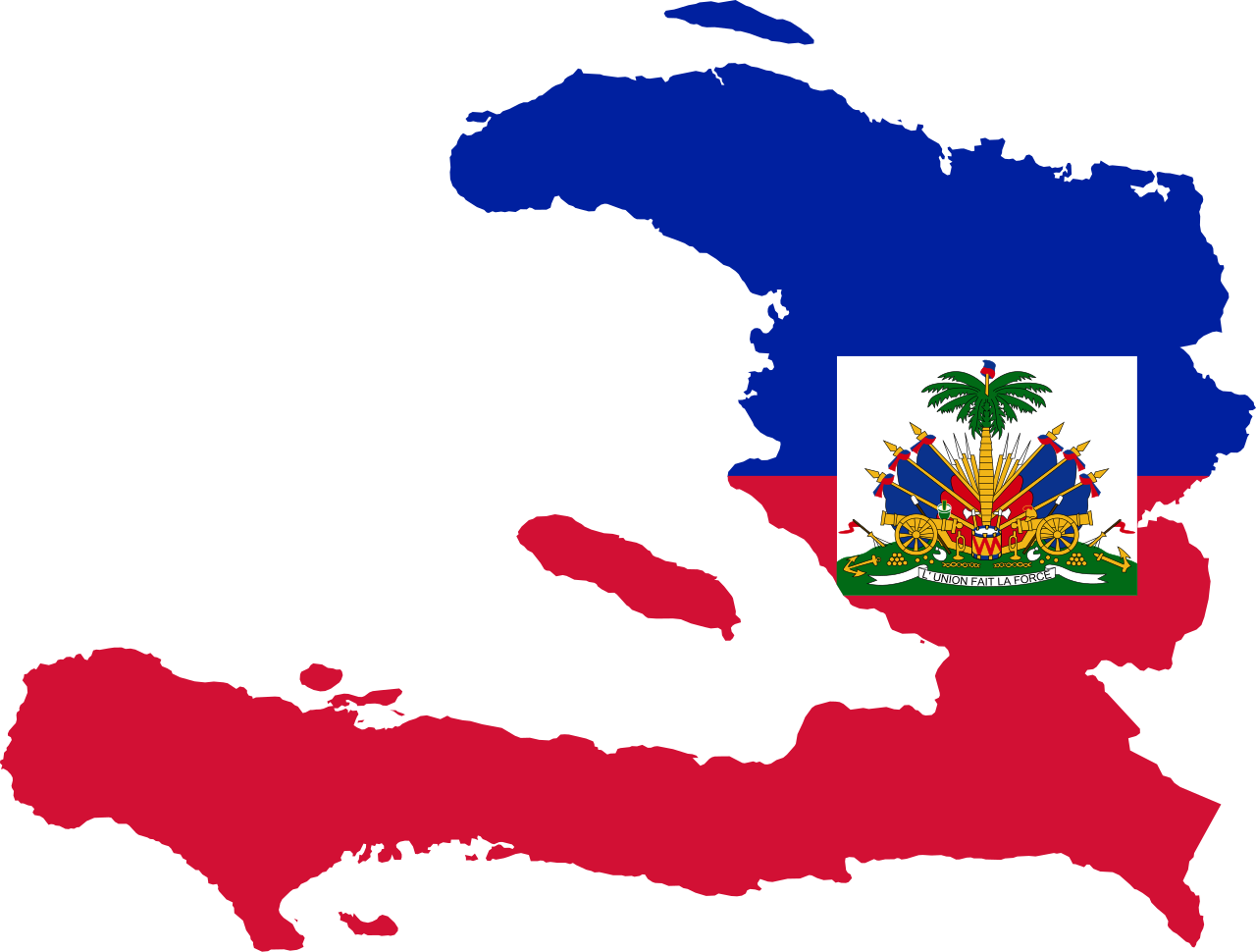
It’s a dish born from resilience—using available ingredients to create a nourishing, communal meal that sustained Haitian families through slavery, colonialism, and into freedom. Every ingredient carries meaning: the leafy greens for vitality, the root vegetables for grounding, the meat for strength, all simmered slowly with herbs and spices that evoke ancestral wisdom and care.
**In every stew, soup, and broth, there is a story—of enslaved ancestors who preserved their foodways despite forced displacement, of Indigenous peoples sharing secrets of root and leaf, and of diasporic communities adapting and thriving in new worlds.**
So next time you savor egusi, sip bouillon-seasoned broth, or dip into hearty Haitian legume or Jamaican pepperpot, remember: these are not just dishes. They are living testaments to cultural fusion, survival, and joyful resistance simmering in every pot.
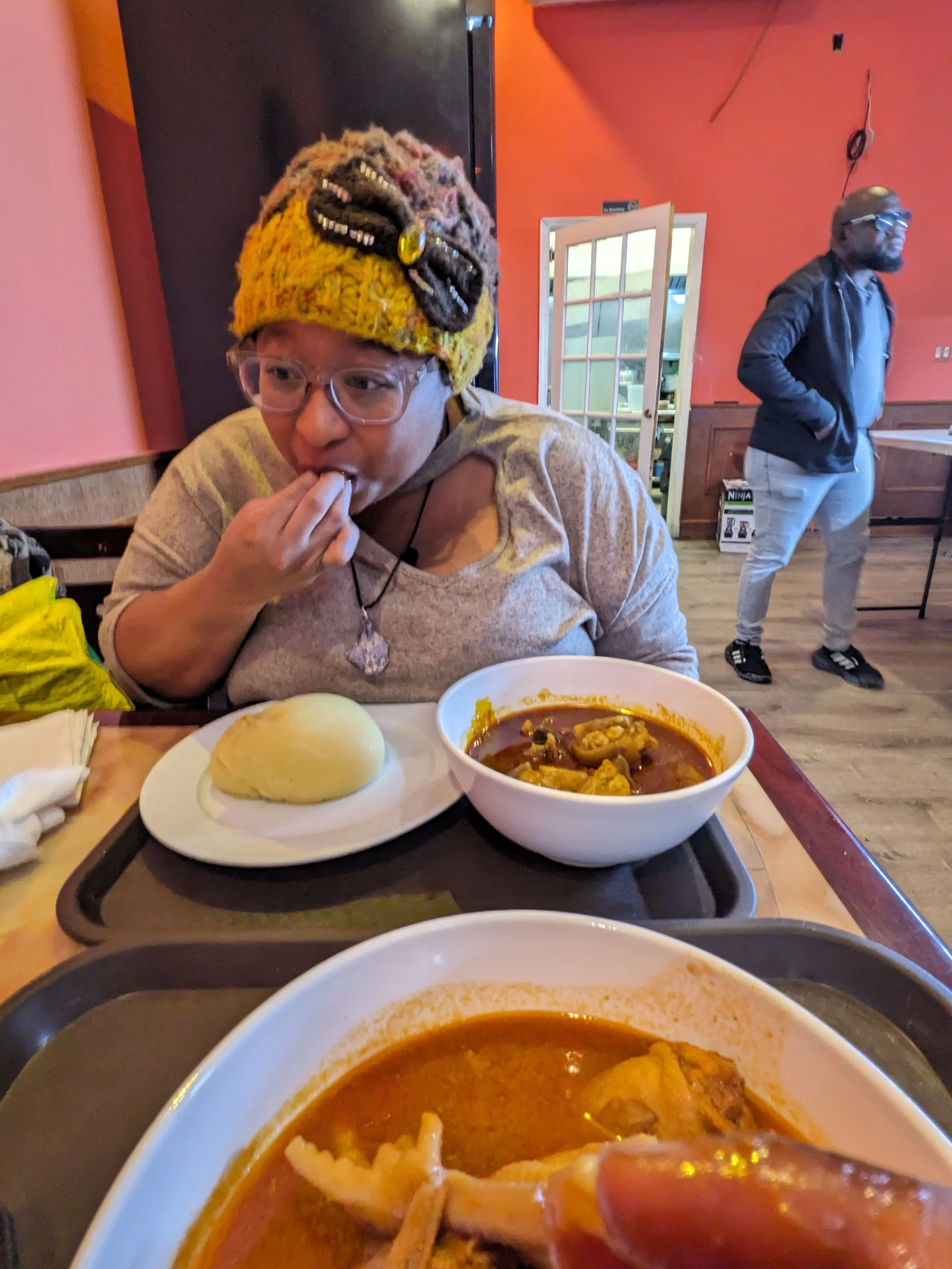
From my kitchen to yours, celebrate and share these flavors steeped in history and heart.
Blessings and deep flavor,
- Chef Ayana
