
The French Caribbean Connection: From Brooklyn to the Islands—Flags, Creole, and the Real Story of Our Roots
Growing up in the United States, my world was shaped by the bustling neighborhoods of Flatbush and Canarsie in Brooklyn, places famous for their rich Caribbean communities. My family is Guyanese, but with so many Haitians around—and with my closest friends all Haitian—I like to joke that I was an “honorary Haitian.” Early mornings and after school, hearing Haitian Creole and French filled the air, whether in restaurants, school hallways, or backyard parties. Through friendships forged from kindergarten through junior high and beyond, I was immersed in the French-speaking Caribbean before even setting foot outside New York.
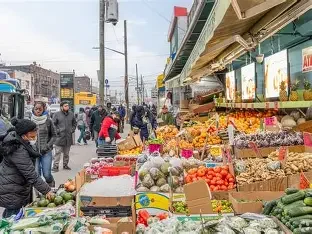
At first, Haiti was all I knew of the French Caribbean. My first experiences with Creole language, cuisine, and music were purely Haitian. Stories of the revolution and powerful proverbs taught by my friends’ families stuck with me. I cherished the lyrical beauty of the language and was fascinated by the French last names so common among my friends and their extended families—names like Jean-Baptiste, Pierre, and Lafleur. For a while, I assumed this creole world was unique to Haiti.
As I got older, my worldview expanded. That was when I fell in love with the hypnotic, joyful music of Saint Lucia. Hearing the language in their songs, I vividly remember my shock: “Wait… they’re speaking creole, too?” The realization that Martinique, Guadeloupe, Dominica—all these places—shared similar French-derived languages was a revelation. The “Haitian” Creole I grew up hearing in Flatbush was just one branch of a much larger family tree.
My curiosity exploded. At a Labor Day Parade about twelve years ago, I found myself picking up Dominican and Saint Lucian flags, clutching them with pride and excitement. The festival atmosphere, the music, the sea of colorful Caribbean flags—everything spoke to a beautiful, shared history. It dawned on me that the richness of the French Caribbean stretched far beyond what I’d been exposed to. Even as a Guyanese, I saw our own connections to French Guiana and our neighbors in Suriname, who speak Dutch, French, and a tapestry of other languages, layering African, Indian, and indigenous influences as well.
And of course, growing up I spoke fluent patois—a living legacy of English-based language creolization born from African and Caribbean roots. Patois (or Patwa) originated as a way for enslaved Africans throughout the Caribbean to communicate across linguistic barriers, blending English vocabulary with West African grammar, idioms, and rhythm. This became a core part of identity for people from Jamaica, Guyana, and other Anglophone islands—a parallel evolution to the French-based creoles spoken in Haiti, Martinique, and Saint Lucia.
It’s funny to reflect on how diverse and interconnected the Caribbean truly is: French last names among non-French speakers, creole dialects that sound familiar yet different, and a music culture that carried me from Haiti’s kompa to St. Lucia’s soca and Martinique’s zouk. My life has been blessed by this diversity—where every flag, every melody, and every laugh in Flatbush or Canarsie is a testament to centuries of migration, survival, and cultural exchange.
The French connection is not just history; it’s present in the way we talk, the names we bear, and the songs we sing—no matter where our families landed first.
Building on my journey through the French Caribbean’s vibrant culture, let’s explore what makes its cuisine so unmistakably rich, soulful, and connected to history—through its ingredients, techniques, and iconic dishes.
The Signature Elements of French Caribbean and Creole Food Culture
At the core of this cuisine is a beautiful cultural fusion—French colonial influence meeting African, Indigenous Caribbean, and local plantation food traditions. It’s this blend that creates deeply layered flavors and a cuisine that stays true to its roots.
Key Ingredients
- **Plantains and Cassava:** Staples in many forms: fried, boiled, mashed, or turned into breads and dumplings.
- **Fresh Seafood:** Fish, conch, shrimp, and crab feature prominently, hailing from the Caribbean Sea’s bounty.
- **Herbs and Spices:** Allspice (pimento), garlic, thyme, Scotch bonnet peppers, nutmeg, cinnamon, cloves, and fresh culantro (chadon beni).
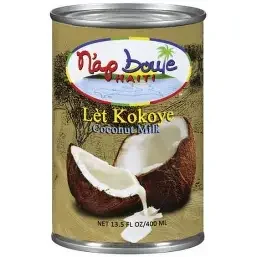
- **Coconut Milk:** Adds richness and subtle sweetness, enhancing stews and rice dishes.
Techniques Rooted in Tradition
- **Slow Cooking and Stewing:** Meats and seafood simmered for hours to develop deep flavors.
- **Pounding and Grinding:** Using pilóns or mortar and pestles to release bright fresh aromas in seasoning bases like sofrito or epis.
- **Banana Leaf Wrapping:** Steaming or baking foods wrapped in banana leaves, such as pasteles or darasa, infuses subtle earthiness and locks moisture.
### Iconic French Caribbean Dishes and Recipes to Experience
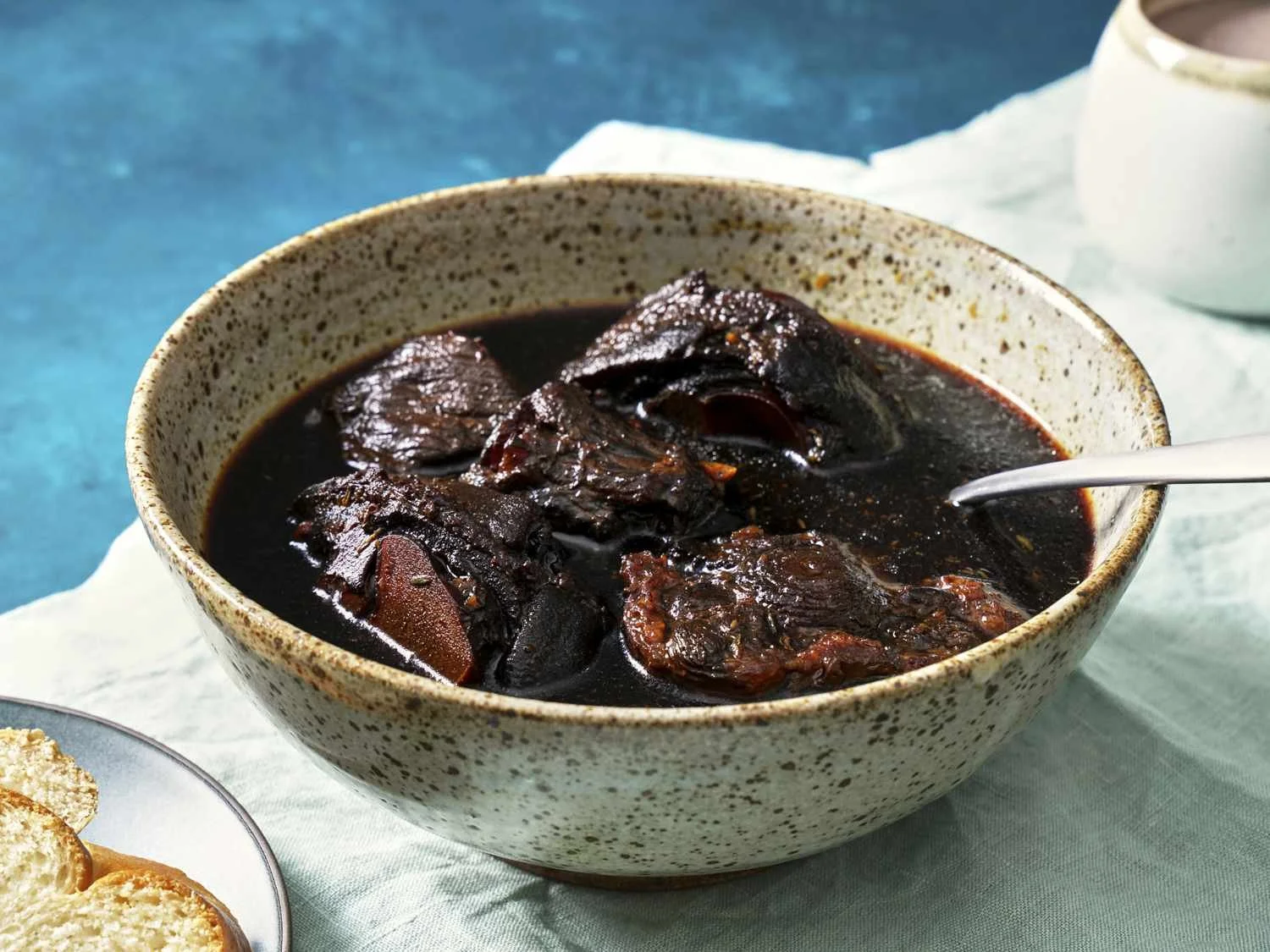
#### 1. **Pepperpot (Guyana, Dominica, French Guiana)**
A slow-cooked stew rich with cassareep (cassava syrup), cinnamon, hot peppers, and meats like beef or pork. Its smoky, spicy flavor comes from hours of simmering—a dish of community and celebration.
*Try simmering beef in cassareep with cinnamon sticks, cloves, and Scotch bonnet peppers for hours until tender.*
#### 2. **Colombo (Martinique, Guadeloupe)**
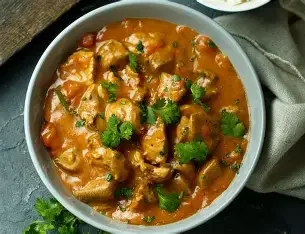
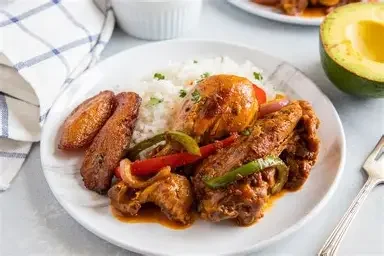
A Caribbean curry inspired by Indian influence but seasoned with Caribbean allspice, thyme, and turmeric. Colombo is a fragrant meat or seafood stew served with rice or plantains.
*Marinate chicken in turmeric, garlic, and allspice; sauté with onions and curry powder; then slow-cook with potatoes and eggplant.*
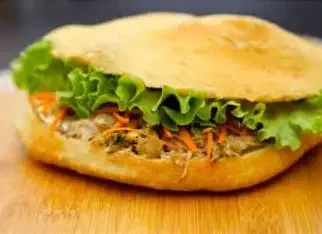
#### 3. **Bokit (Guadeloupe)**
A kind of fried bread sandwich resembling a Caribbean doughnut, bakit is often stuffed with fried fish, salad, or fiery sauces—perfect street food.
*Prepare a simple dough with flour, yeast, and water; deep fry until puffed and golden; slice and fill with your favorite ingredients.*
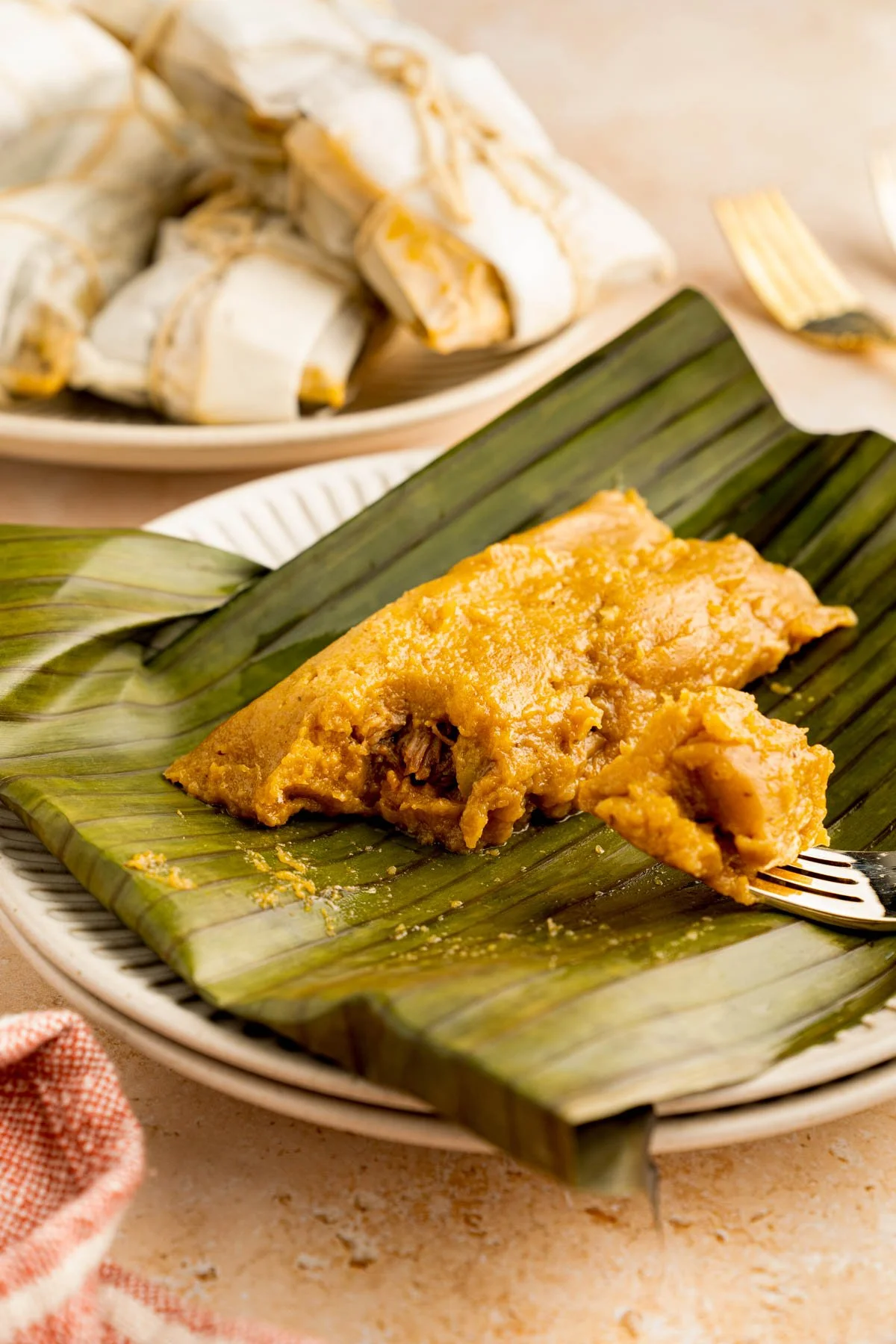
#### 4. **Pasteles (Puerto Rico & Dominica)**
Green banana and root vegetable dough filled with seasoned pork or chicken, wrapped in banana leaves and boiled. This labor-intensive dish is a holiday tradition.
*Grate plantains and yautía, mix with broth and seasonings, spread about a paper-thin banana leaf parcel, add cooked meat filling, wrap well, and boil for about an hour.*
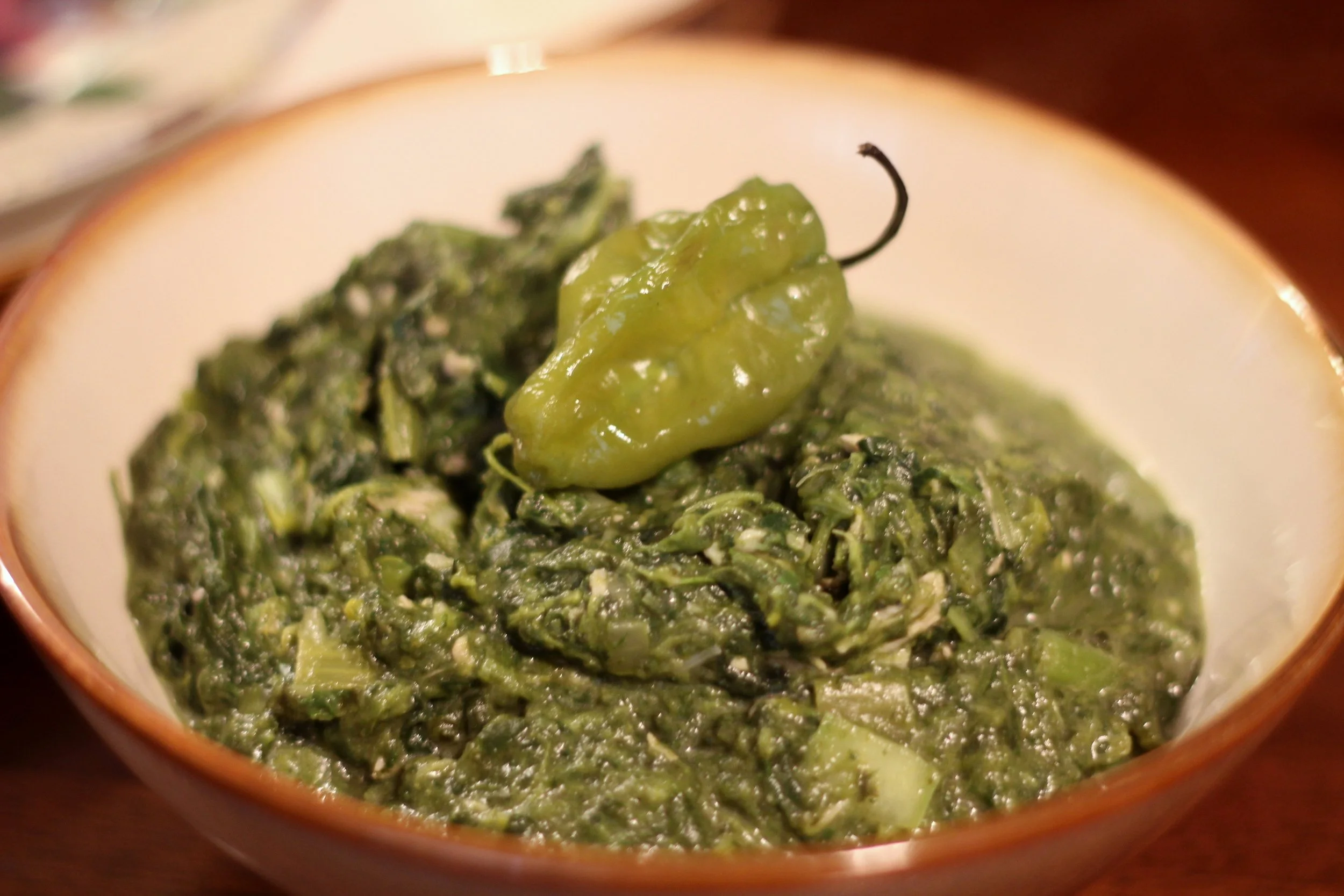
#### 5. **Callaloo Soup**
A luscious green soup made from callaloo leaves (similar to spinach or amaranth), often cooked with crab, okra, coconut milk, and spices. It’s a staple across the French Caribbean.
*Sauté garlic, onions, and thyme; add okra, crab or salted meat; simmer with chopped callaloo and coconut milk until thick and flavorful.*
#### 6. **Hudut (Garifuna, Belize)**
Mashed plantains served with coconut fish stew—an intoxicating balance of creamy starch and rich, spicy broth, showcasing French Caribbean and Garifuna culinary intersections.
*Boil plantains until soft, mash with a bit of coconut milk; cook fish in coconut milk with peppers and herbs; serve together.*

## Signature Dishes from the French Caribbean and Surrounding Regions
### Dominica
**1. Mountain Chicken (Crab) Stew**
Despite the name, this dish is made from the giant frog of Dominica, known locally as the "mountain chicken." The meat is marinated, fried or stewed, and served in a savory broth flavored with herbs, garlic, and peppers. It’s a coveted delicacy reflecting indigenous and French culinary meldings.
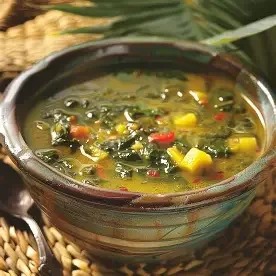
**2. Callaloo Soup**
Dominican callaloo is a leafy green soup often cooked with crab, okra, coconut milk, and local spices. It’s a hearty, nutritious staple enjoyed at family meals.
### Saint Vincent
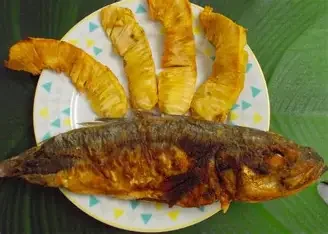
**3. Roasted Breadfruit with Fried Jackfish**
Breadfruit is a staple in Saint Vincent’s diet, often roasted whole until tender and served with fried jackfish (a local fish), accompanied by spicy pepper sauce and local sides. This simple yet delicious dish highlights island produce and seafood.
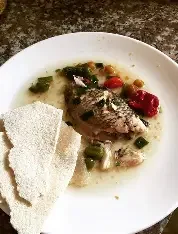
**4. Cassava Bread and Saltfish**
Cassava bread, made from grated cassava root, accompanies saltfish cooked with onions, tomatoes, and peppers for breakfast or dinner, echoing indigenous and colonial influences.
### Suriname
**5. Pom**
Surinamese pom is a baked casserole made from grated pomtajer (taro root) mixed with citrus juice and layered with seasoned chicken or salted meat. The dish is baked to golden perfection and is a festive favorite among Suriname’s diverse ethnic groups.
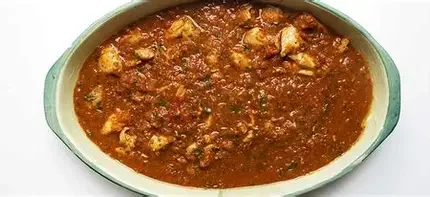
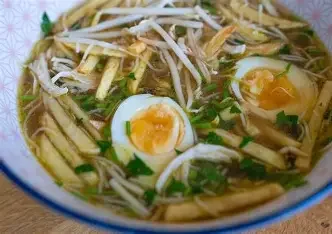
**6. Saoto Soup**
A fragrant chicken soup with Indonesian influences found in Suriname, made with herbs, glass noodles, bean sprouts, and topped with crispy fried onions and boiled eggs, reflecting Suriname’s multicultural culinary tapestry.
***
### Martinique
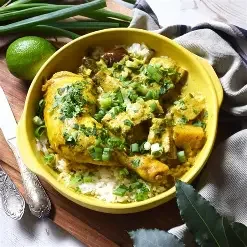
**7. Colombo de Poulet (Chicken Colombo)**
A beloved curried dish where chicken is marinated with Colombo powder (Caribbean curry spice blend), garlic, turmeric, and thyme, then simmered with root vegetables. Served with rice, it exemplifies a fusion of French, Indian, and African flavors.
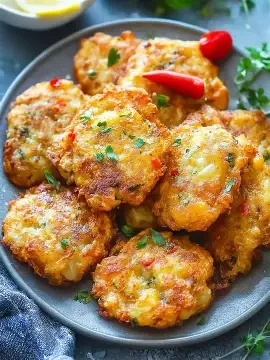
**8. Accras de Morue (Saltfish Fritters)**
Deep-fried fritters made from salted cod mixed with herbs, flour, and spices. These golden bites are a popular snack throughout Martinique.
### Saint Lucia
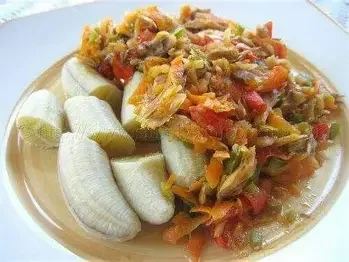
**9. Green Fig and Saltfish**
Often called the national dish of Saint Lucia, this combines boiled green bananas ("green figs") with saltfish cooked with onions, tomatoes, and peppers, embodying African and French Caribbean culinary influences.
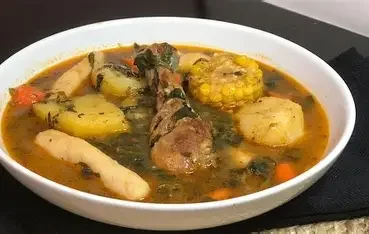
**10. Bouyon (Bouillon) Soup**
A hearty one-pot stew rich with local meats (such as pork or chicken), root vegetables, dumplings, and spices. The broth is flavorful and nourishing, served at family gatherings or festivals.
### Bringing It All Together
Each French Caribbean dish is a story—of the people who cooked it, the ingredients their lands offered, and the history that infused every bite. Whether you’re eating bouillon infused with French herbs, pounding sofrito in a pilón, or savoring the sweetness of a banane pesée (fried ripe plantain), you’re tasting resilience and creativity.
These recipes highlight a culinary tradition that is peaceful, powerful, and proud—an edible link between Caribbean islands, mainland neighbors, and diasporic communities worldwide.
In my ongoing quest to deepen my understanding of Caribbean culture, I stumbled upon **Dominica’s bouyon music**—and instantly loved it. What struck me most was how the music felt alive, full of energy, flavor, and character. Ironically, it reminded me of **bouyon**, the hearty and deeply flavorful Dominican stew I had learned about. Both music and food share a same vibrant quality: rich, spicy, invigorating.
The bouyon music’s pulsating beats, melodic hooks, and bold rhythms are captivating and distinct, pulling listeners into a lively dance. It almost feels as if the music was named after the dish itself—both bursting with robust “spice,” creating an experience that’s hard to forget.
This mix of culinary and musical artistry perfectly captures the essence of Dominica’s culture: a lively celebration of identity, history, and joy.
