Corned Beef, Bully Beef, and Cabbage: Irish & Caribbean Connections on St. Patrick's Day
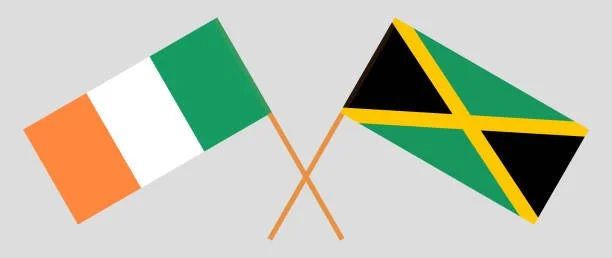
Every March 17th, the world turns green to celebrate St. Patrick's Day, but as I was preparing my own ancestral dishes this year, something hit me like a shamrock to the forehead: Caribbean and Irish cuisines have more in common than you'd think. That classic St. Patrick's Day plate of corned beef and cabbage? It reminded me instantly of bully beef—Jamaica's canned corned beef cooked down with cabbage or served straight over rice. Two different islands, same humble ingredients, same soulful approach to making "poor man's food" taste like celebration.
As someone who traces culinary pathways across the diaspora, this connection felt like uncovering a hidden migration route. Let me take you through St. Patrick's Day history, then show you how those Irish staples echo right back to my Jamaican kitchen.
Who Was St. Patrick, Anyway?
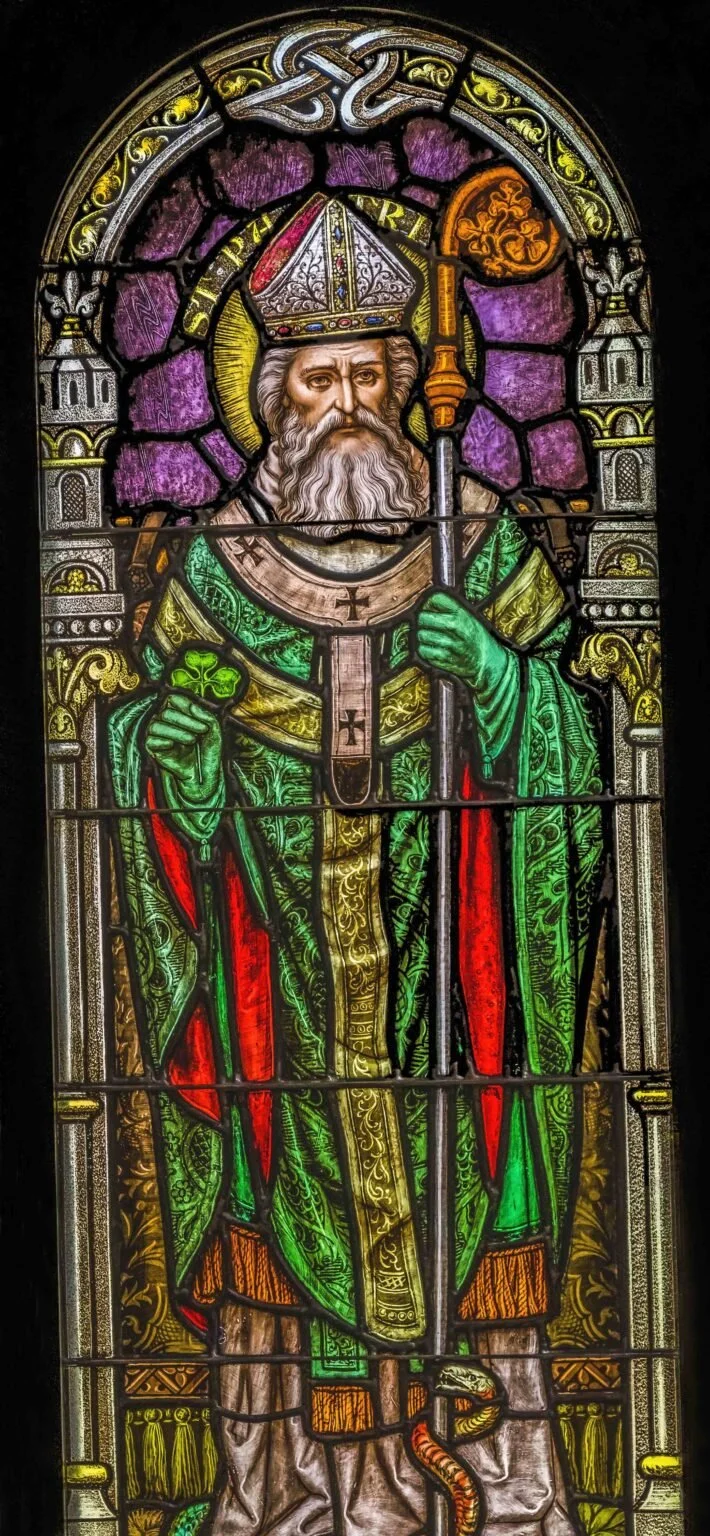
Saint Patrick wasn't Irish—he was kidnapped from Roman Britain around age 16, enslaved in Ireland, escaped after six years as a shepherd, then returned voluntarily as a Christian missionary in the 5th century. Legend says he drove snakes (probably a metaphor for Druid priests) out of Ireland and used the shamrock to explain the Holy Trinity.
His feast day, March 17th, was originally a solemn Catholic religious observance. But 19th-century Irish immigration to America transformed it into the boisterous "wearin' o' the green" parades we know today—Chicago dyes its river green, New York hosts the oldest St. Patrick's Day parade (since 1762), and Boston's becomes a full-on city holiday. What started as prayer became party, fueled by Irish diaspora pride and a little liquid courage.
The Classic St. Patrick's Day Menu
Traditional Irish-American St. Patrick's Day fare leans heavily on preserved foods from Ireland's harsh climate and America's Irish immigrant experience:
Corned Beef & Cabbage
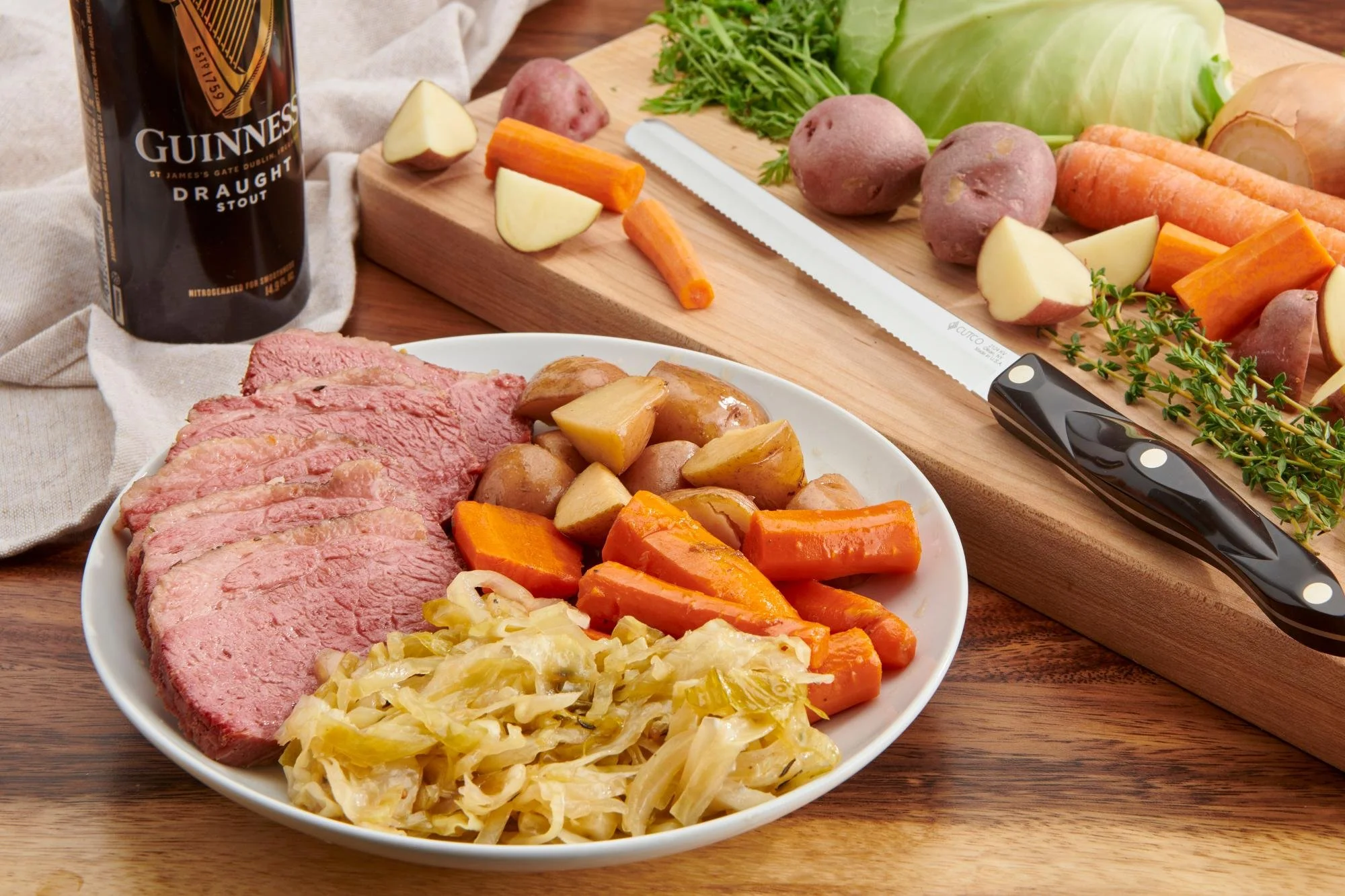
Originally an Irish-American invention—Irish immigrants substituted cheaper corned beef for expensive bacon back home. Beef brisket is salt-cured ("corned" from the corn-sized salt crystals), boiled with potatoes, carrots, and cabbage. The cabbage adds sweetness and crunch to balance the salty meat.
Irish Soda Bread
Quick bread using baking soda (no yeast needed), studded with raisins or caraway seeds, perfect for cold climates without ovens.
Shepherd's Pie or Cottage Pie
Mashed potatoes over minced meat and vegetables—pure peasant food elevated to comfort classic.
Colcannon
Mashed potatoes blended with cooked cabbage or kale, swimming in butter and cream.
Lamb or Corned Beef Hash
Leftover meat mixed with potatoes, fried crispy.
Guinness (of course)
The dark stout pours like liquid holiday spirit.
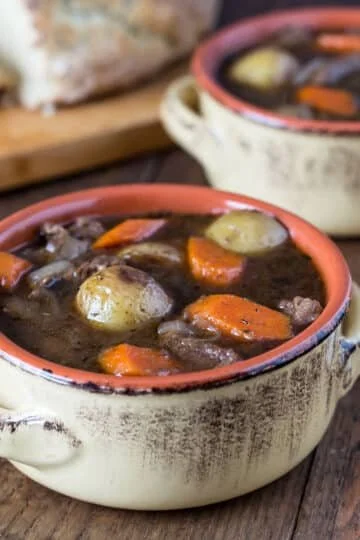
Irish Guinness Stew
Bully Beef: Jamaica's Corned Beef Cousin
Now here's where it gets wild. That corned beef and cabbage plate? It hit me straight like bully beef, Jamaica's everyday hero made from tinned corned beef—the same preserved brisket that Irish immigrants embraced.
Jamaican Bully Beef comes three ways:
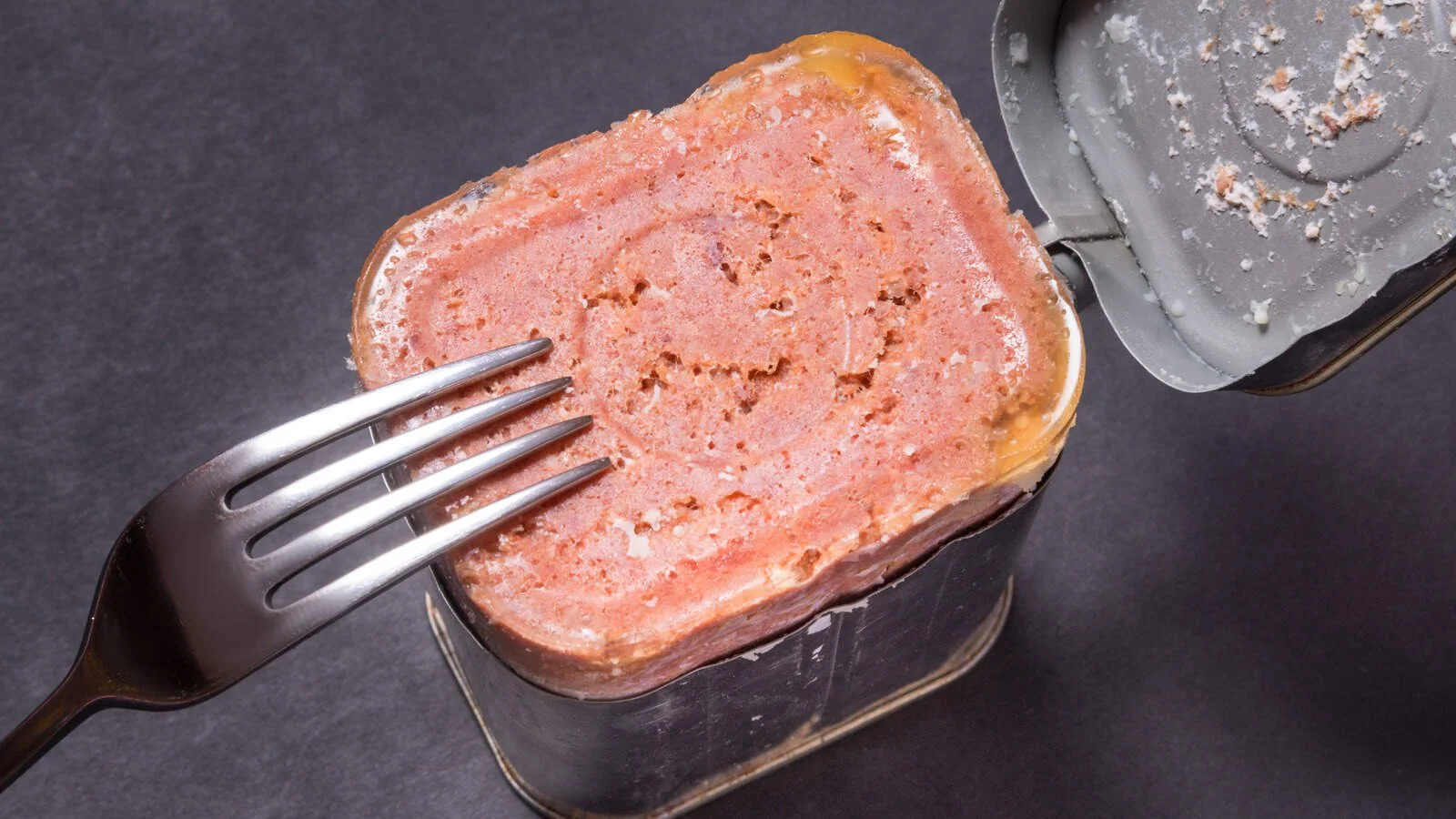
Straight from the tin, sliced cold over white rice or avocado—quick protein when fresh meat's scarce.
Fried bully beef: Sautéed with onions, tomatoes, Scotch bonnet peppers, thyme. Eaten with fried dumplings, boiled bananas, or breadfruit.
Bully beef and cabbage: Corned beef chunks simmered with shredded cabbage, onions, peppers, sometimes coconut milk. The cabbage soaks up that salty beef broth exactly like Irish corned beef and cabbage.
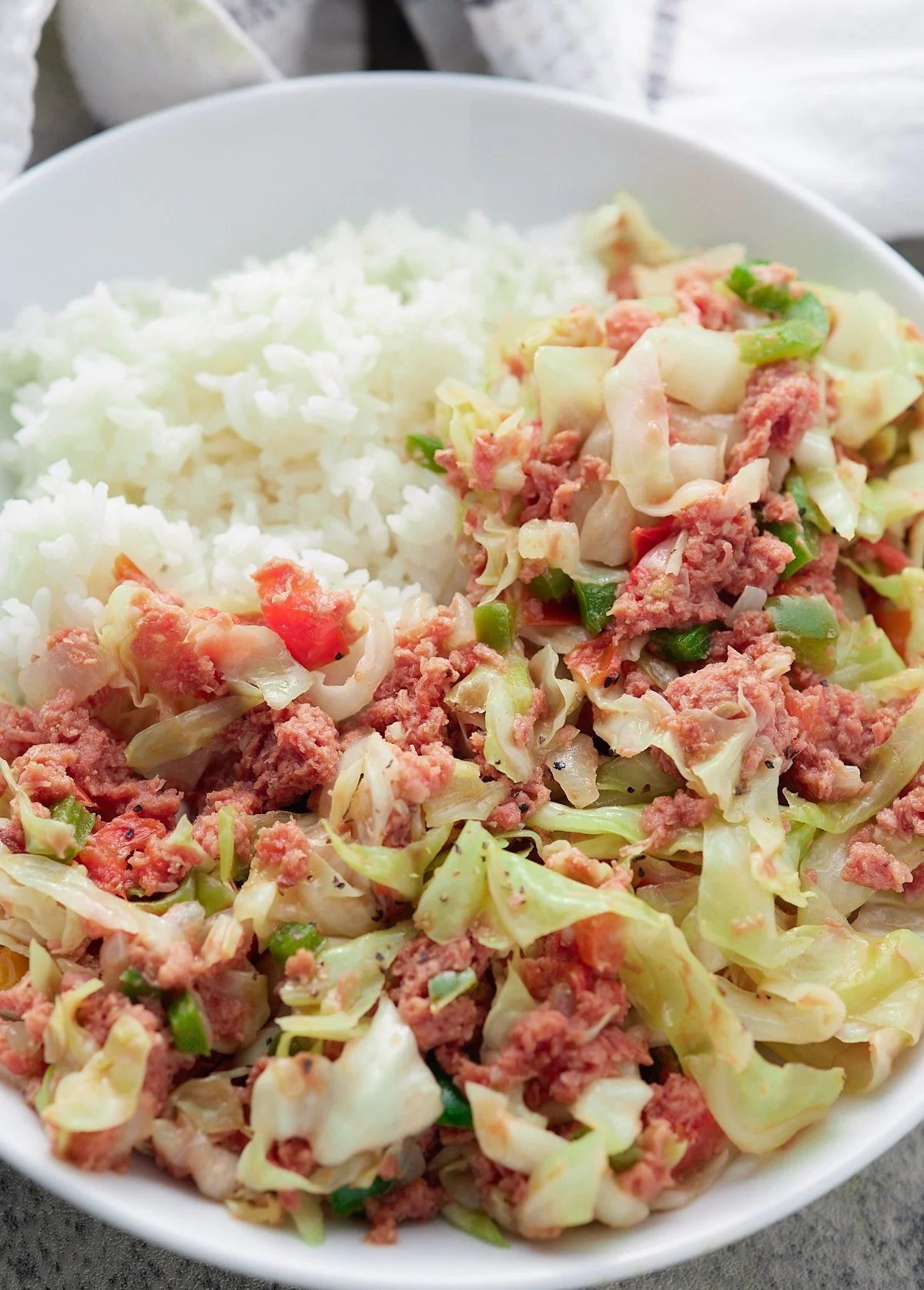
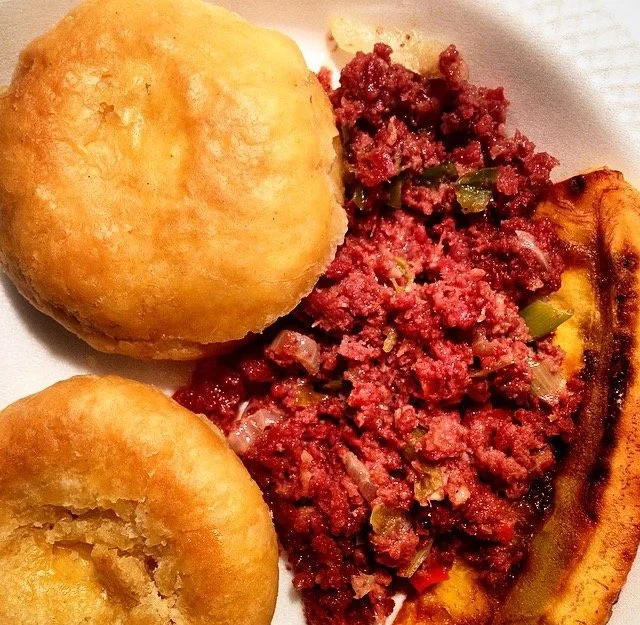
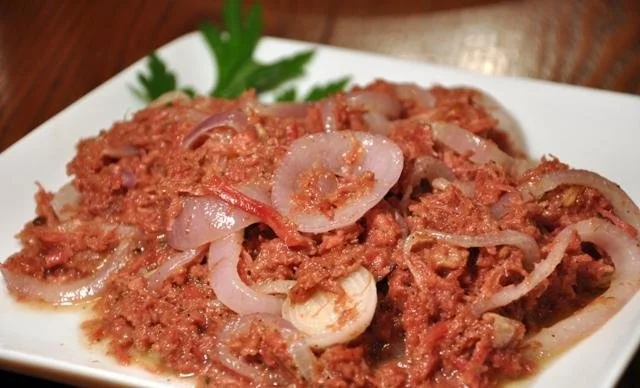
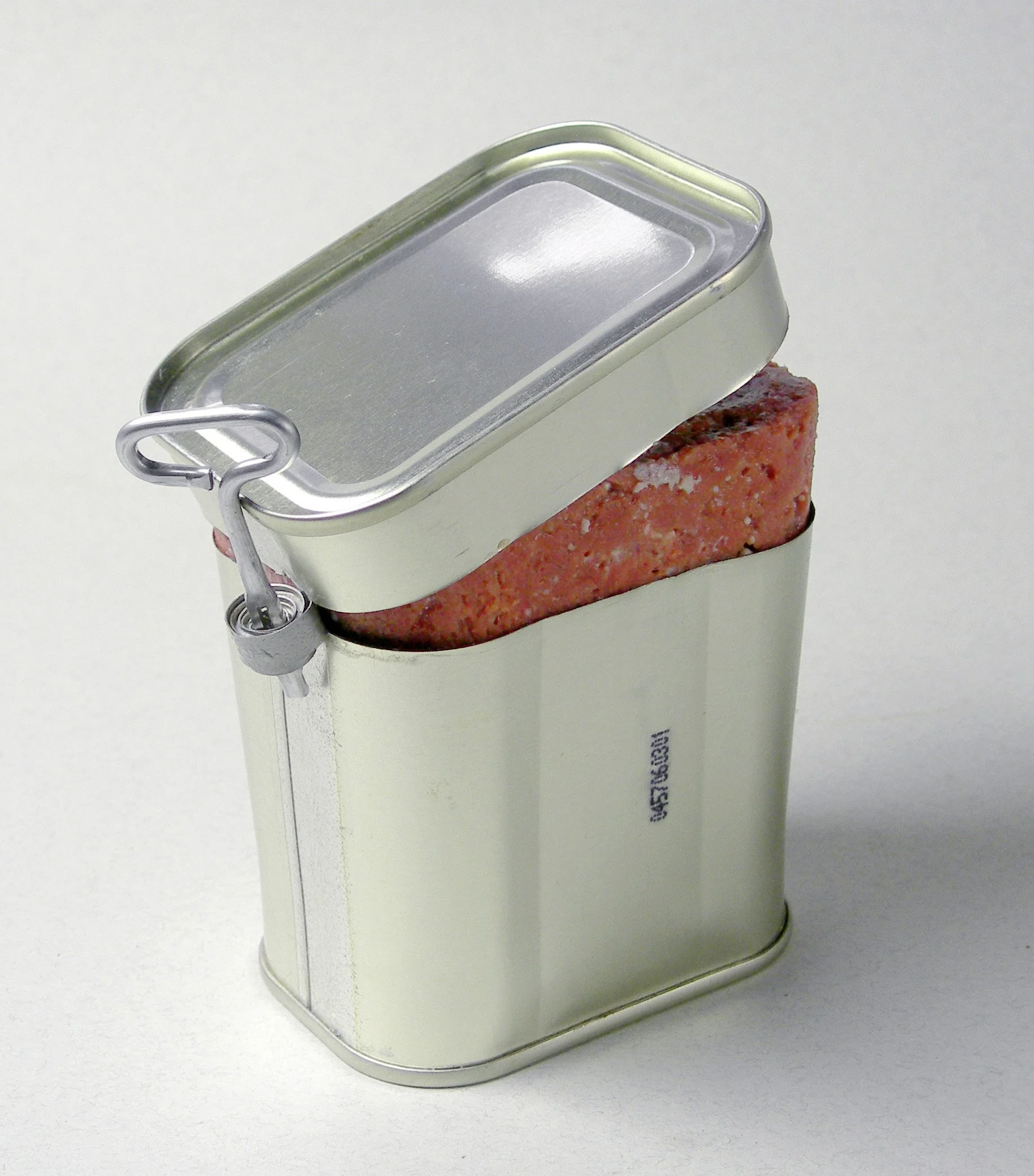
Same ingredients (canned beef + cabbage), same technique (simmer till tender), different accents. Irish goes creamy-buttery; Jamaican goes spicy-aromatic. But both are born from preservation necessity—salt-cured meat and hardy cabbage stretching thin resources.
The Irish-Jamaican Connection: Real History
This isn't coincidence. Thousands of Irish arrived in Jamaica during the 17th century as:
Indentured servants under Cromwell's conquest (1655)
Prisoners after Irish rebellions
Overseers on sugar plantations
Irish slaves/indentured workers lived alongside enslaved Africans, sharing rations of salted beef, dried fish, and cabbage. Over generations, culinary techniques cross-pollinated:
Shared Preservation: Both cultures mastered salt-curing meat and root vegetables for long sea voyages and scarce growing seasons.
One-Pot Cooking: Irish stew mirrors Jamaican brown stew—slow-simmered meat, potatoes/plantains, aromatics.
Cabbage Love: Colcannon (potatoes + cabbage) parallels bully beef and cabbage or Jamaican cabbage and saltfish.
Potatoes Called "Irish Potatoes": Jamaicans still say "Irish potatoes" for white potatoes, a direct linguistic remnant.
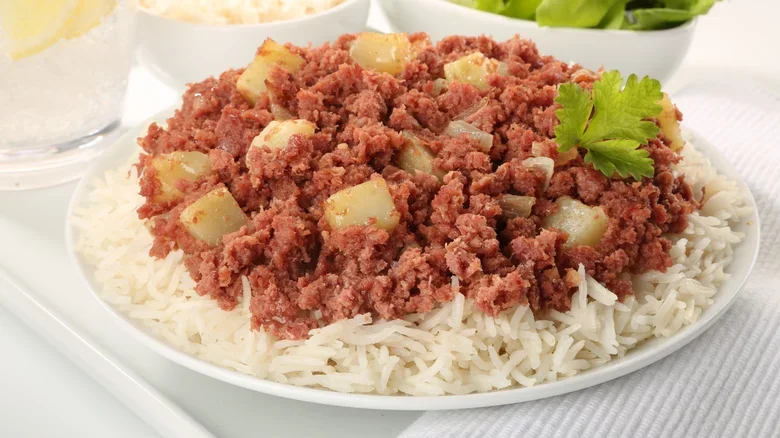
Look pon this Corned Beef & Potato from JA
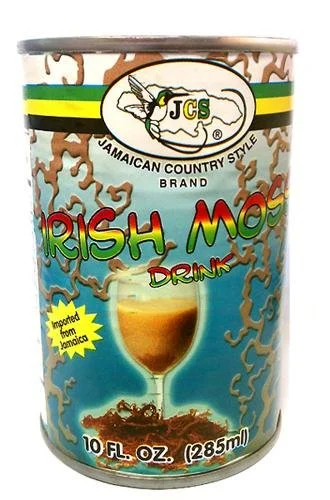
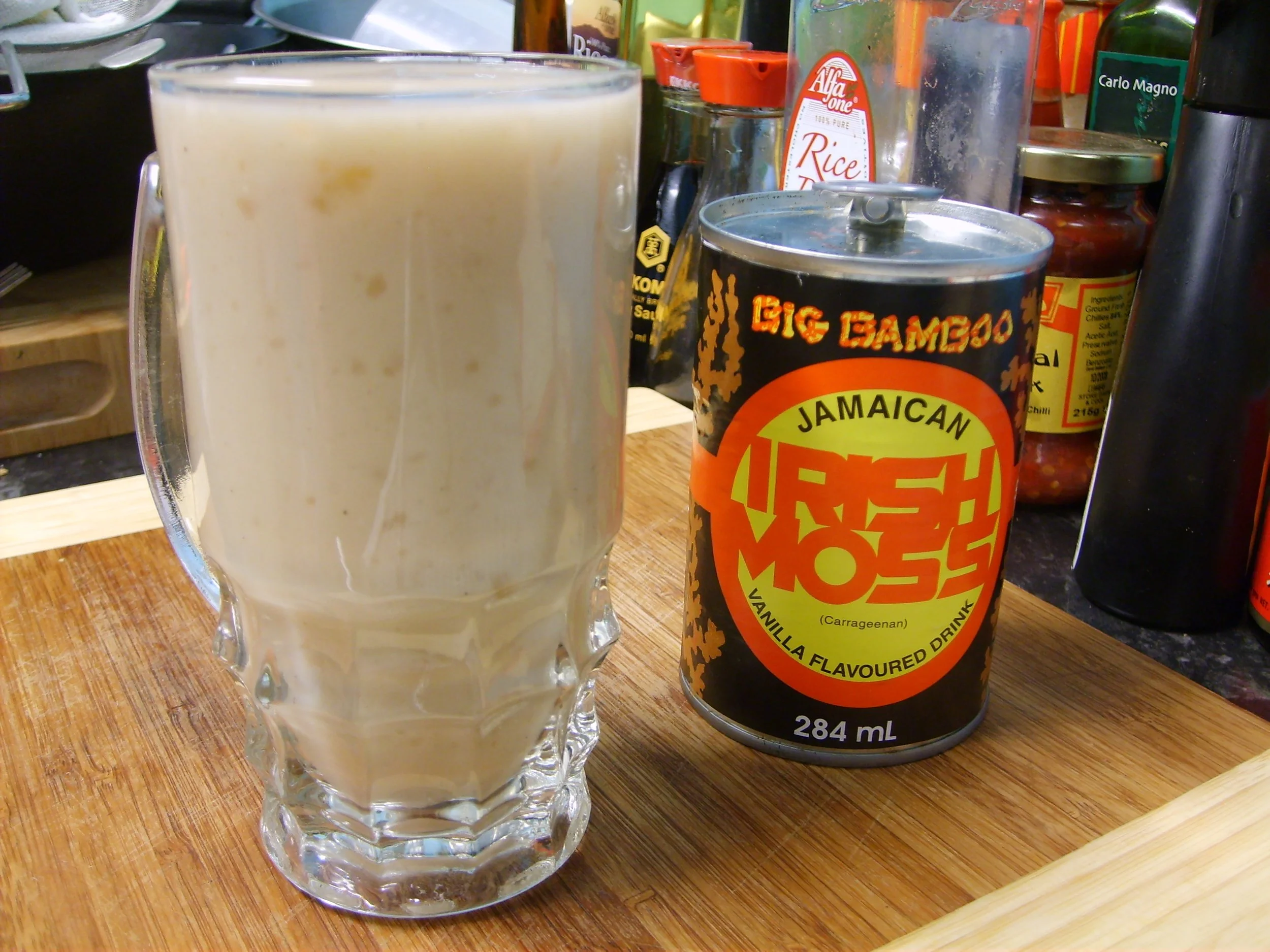
Even Irish moss drink—seaweed boiled with milk, spices, and rum—has a Caribbean cousin in peanut porridge or soursop drinks thickened with starchy plants.
St. Patrick's Day, Diaspora Style
This March 17th, I'm celebrating both sides of the ledger:
My Irish-Inspired Plate: Corned beef and cabbage with Irish soda bread and a Guinness float.
My Jamaican Tribute: Bully beef fried with peppers and onions over rice and peas, cabbage on the side, sorrel to sip instead of stout.
The green might come from shamrocks instead of callaloo, but the spirit's the same: honoring ancestors who took what little they had—salted meat, humble cabbage, shared fire—and made it mean family, resilience, and enough flavor to carry them through hard times.
Sláinte and wa gwaan—to the Irish diaspora that landed in Jamaica, to the Africans who cooked alongside them, and to every culture that proves food doesn't need a common language to tell the same story of survival.
Happy St. Patrick's Day from Cooking With Ayana. May your pot always be full, whether it's bully beef or brisket.