
Caribbean History and Indigenous Ancestral Culinary Influence
To truly understand Caribbean food, one must start with the Indigenous peoples and the resilient Maroon communities who laid its foundational stones, both culturally and culinarily. The archipelago’s name itself is a tribute to its original inhabitants, and their legacies ripple through the region’s vibrant cuisine and traditions.
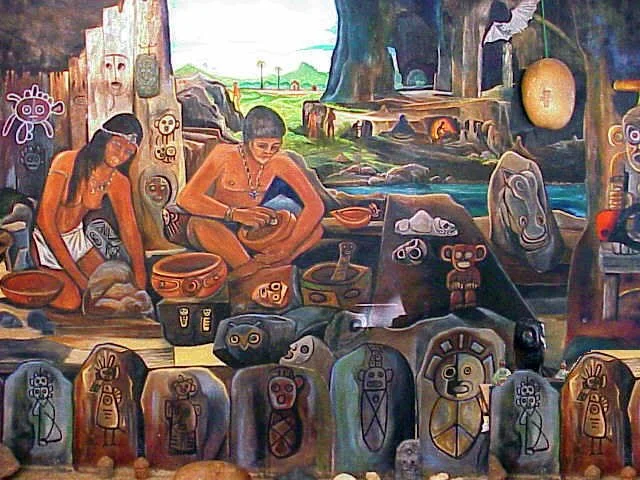
### Indigenous Roots: The Carib, Taino, and Arawak
The Caribbean is named after the Carib people—seafaring Indigenous communities who thrived before European arrival. Alongside them, the Arawak and Taíno peoples cultivated land, developed agriculture, and crafted food customs that continue to influence today's culinary landscape.


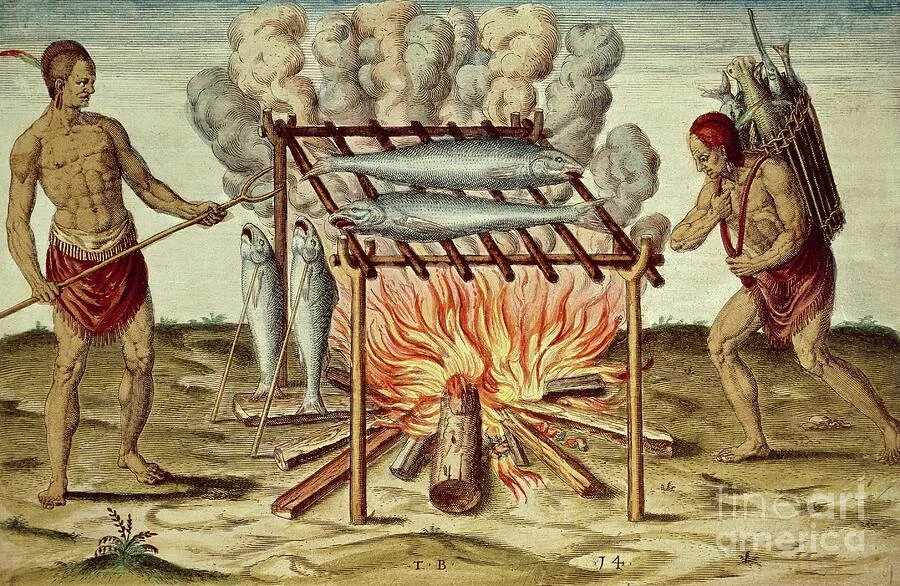
They introduced cassava (manioc) as a staple, utilized local herbs and spices, and perfected cooking techniques like roasting and pit-cooking. Their knowledge of native plants contributed seasonings and cooking methods that African and European settlers later adapted.
### Maroon Communities: Preserving Culture Through Resistance
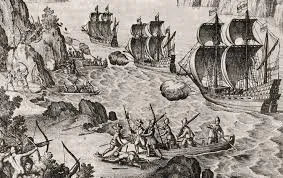
After the traumatic upheaval caused by slavery, Maroon communities formed as refuges for escaped enslaved Africans and Indigenous people. Isolated in mountainous and forested areas, Maroons preserved African culinary traditions while incorporating Indigenous and Caribbean flora.
Their cultural preservation extended to food sovereignty—they hunted, fished, farmed, and used native spices and wild greens, fusing flavors that remain at the heart of Caribbean kitchens. Maroon culinary resilience epitomizes survival through food, reverence for the land, and cultural autonomy.
### Jerk Seasoning: A Taste of Taino Heritage
One of the world’s most celebrated Caribbean flavors, jerk seasoning, finds its roots deeply embedded in Taino and Arawak tradition, perfected by Maroon people. The method of slow cooking meat over pimento wood, punctuated by allspice berries (pimento), Scotch bonnet peppers, garlic, and thyme, reflects Indigenous expertise in preserving and flavoring.
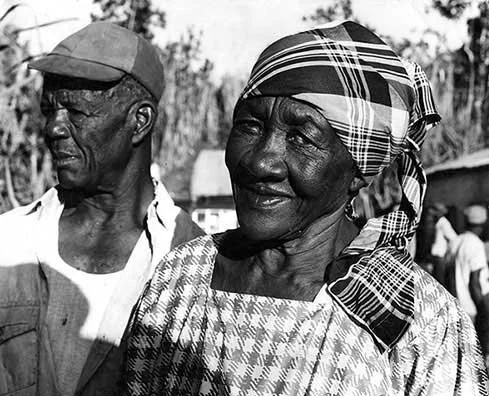
**The Legacy of Jerk Chicken: A Tale of Survival**
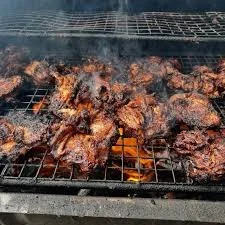
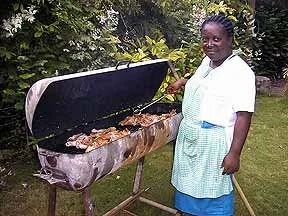
Jerk chicken is another dish with deep historical roots. Originating with the Maroons—escaped enslaved Africans who settled in Jamaica—the technique of jerking involved slow-cooking meat over pimento wood with spices. This method not only preserved food but also allowed the Maroons to cook without revealing their location to colonial forces.
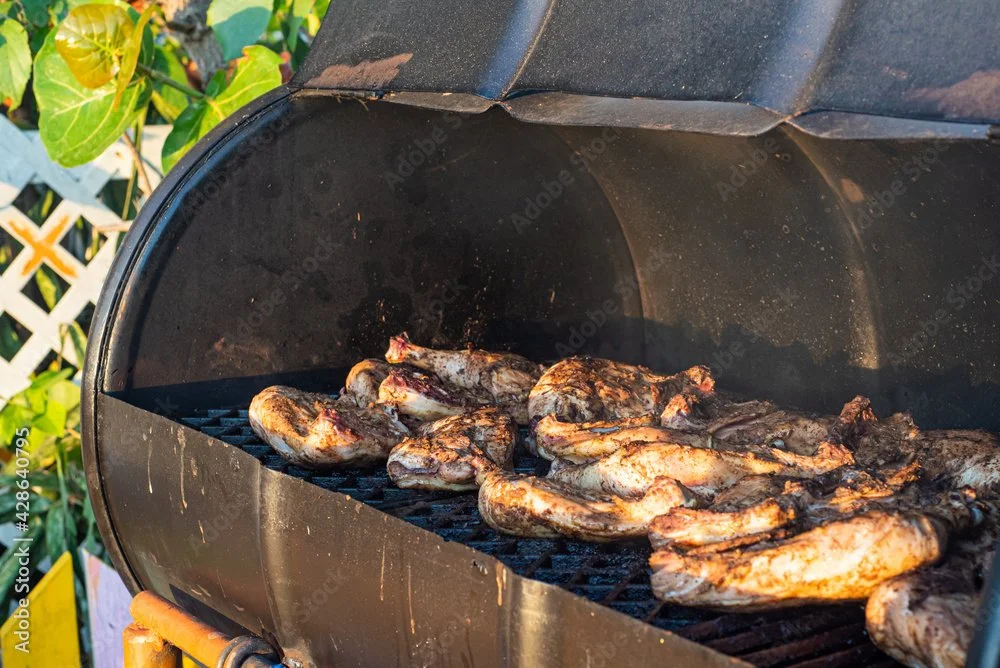
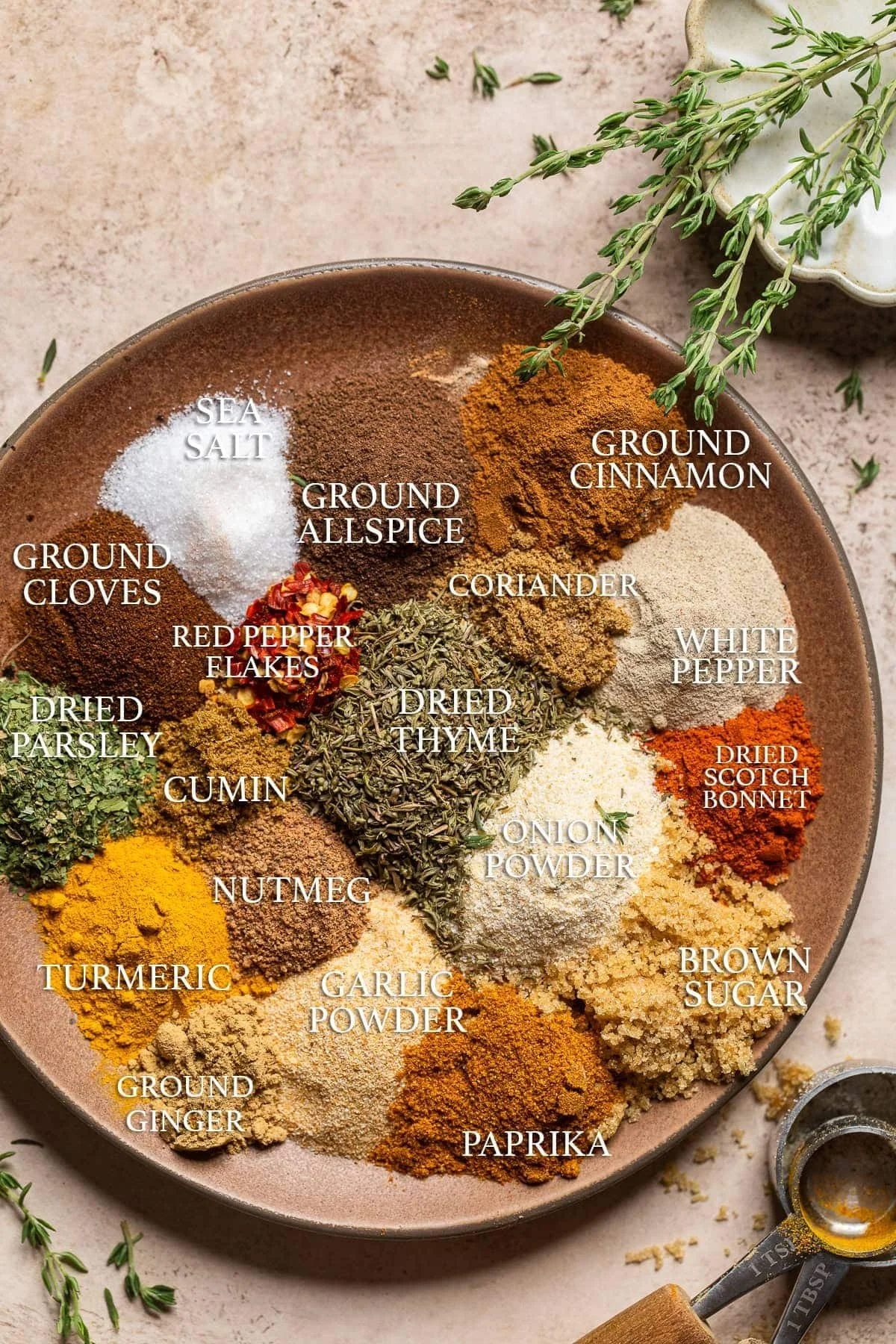
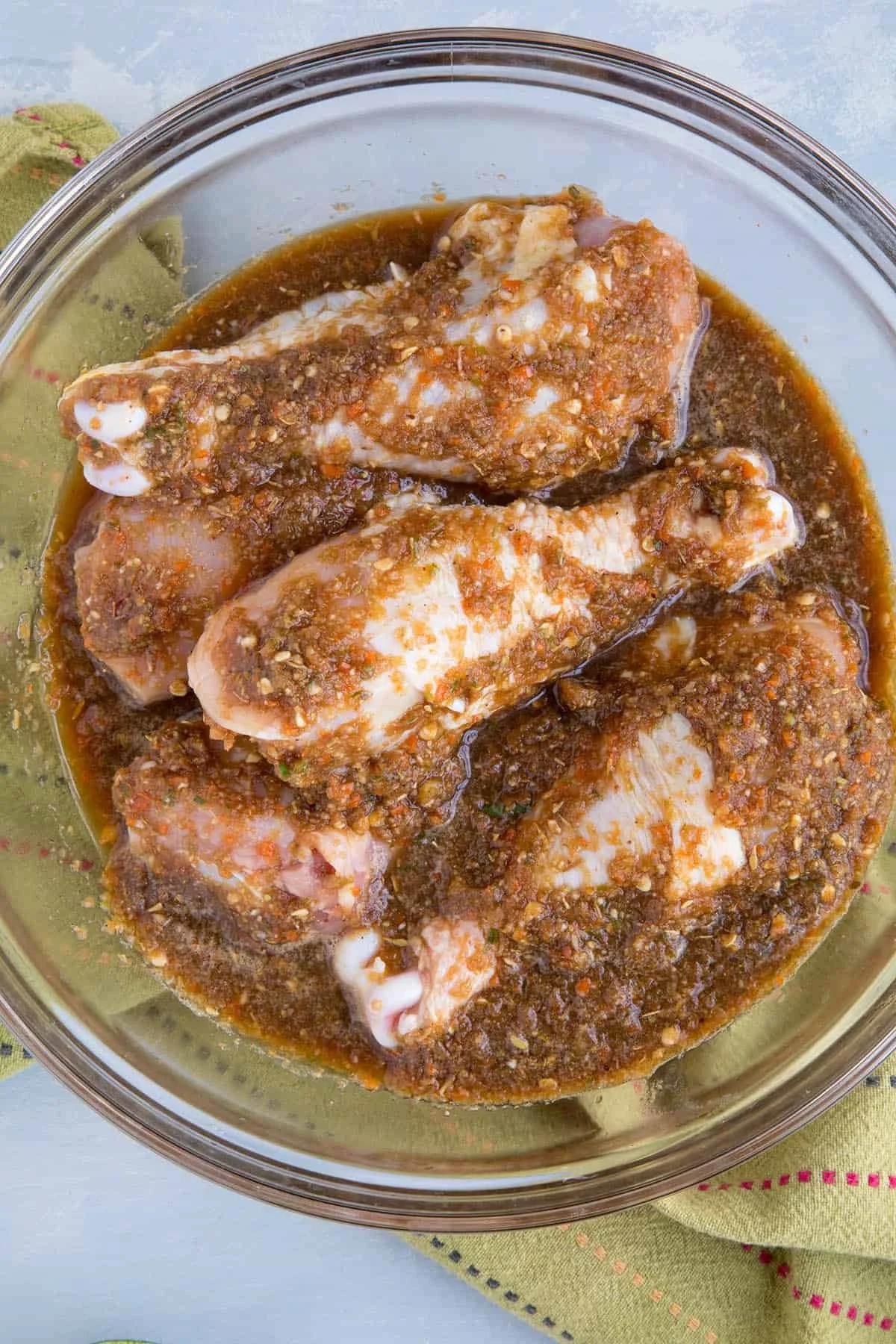
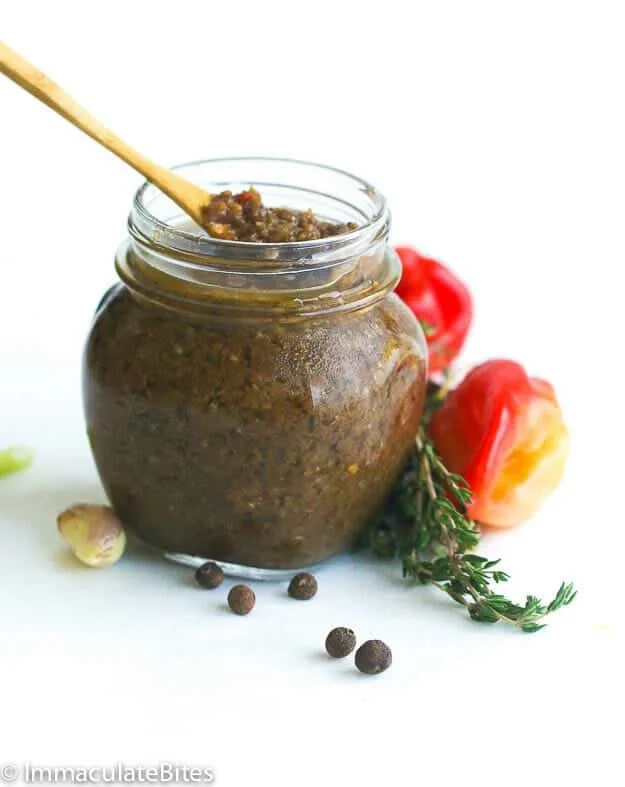
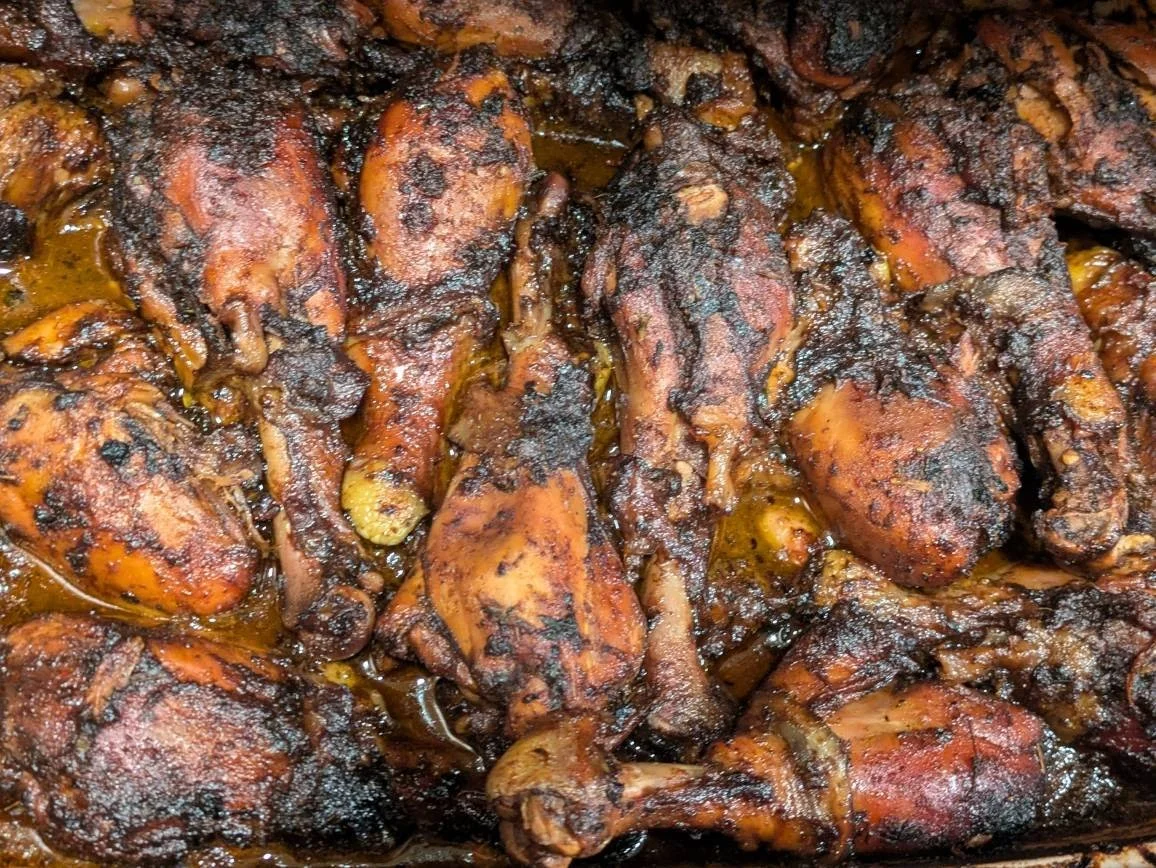
Chef Ayana’s Baked Jerk Chicken! Irie
Legend has it that during the 18th century, Maroon communities would prepare jerked meat before embarking on long journeys through Jamaica's rugged terrain. This practice ensured they had sustenance while evading capture. Today, jerk chicken stands as a testament to their ingenuity and resilience.
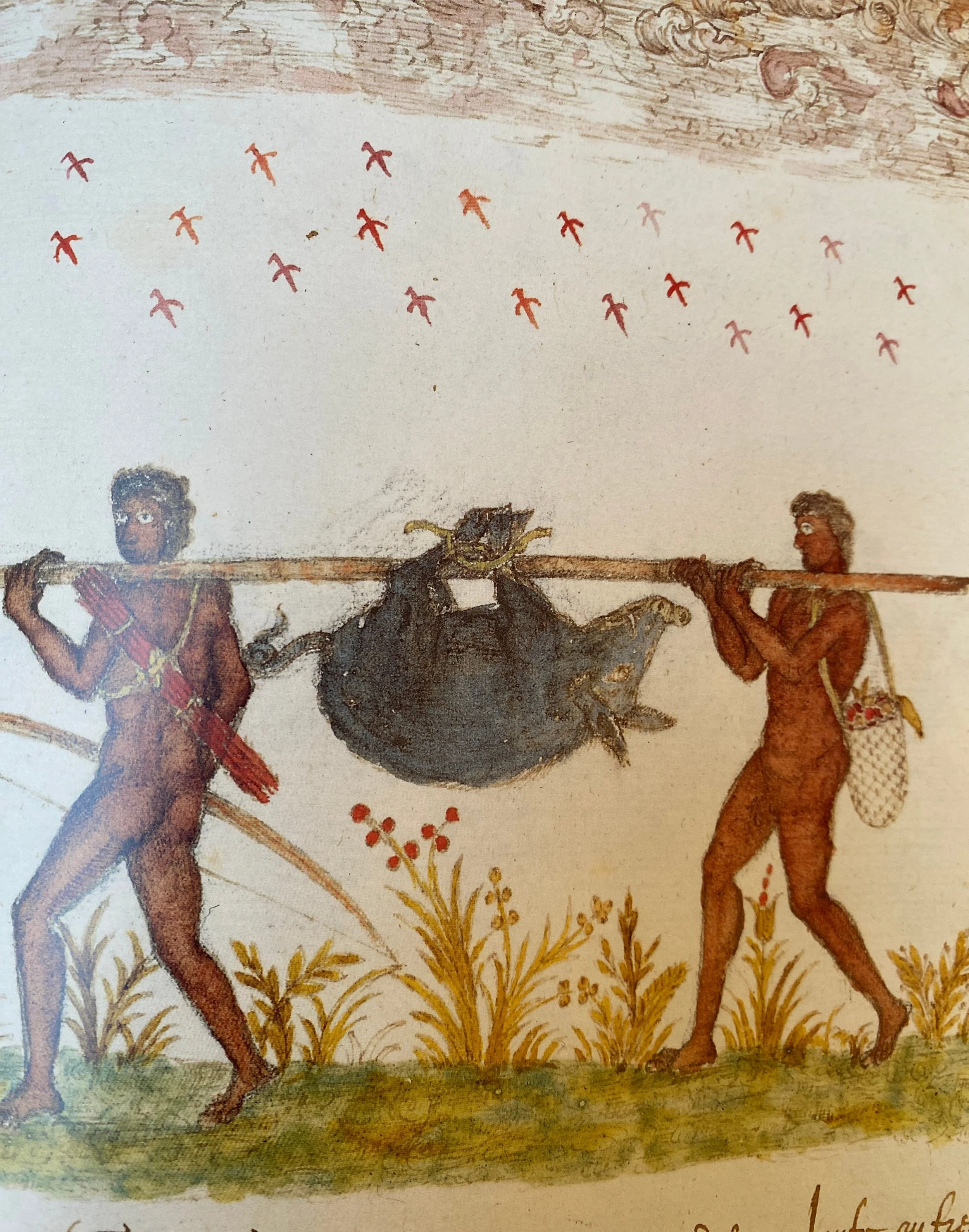
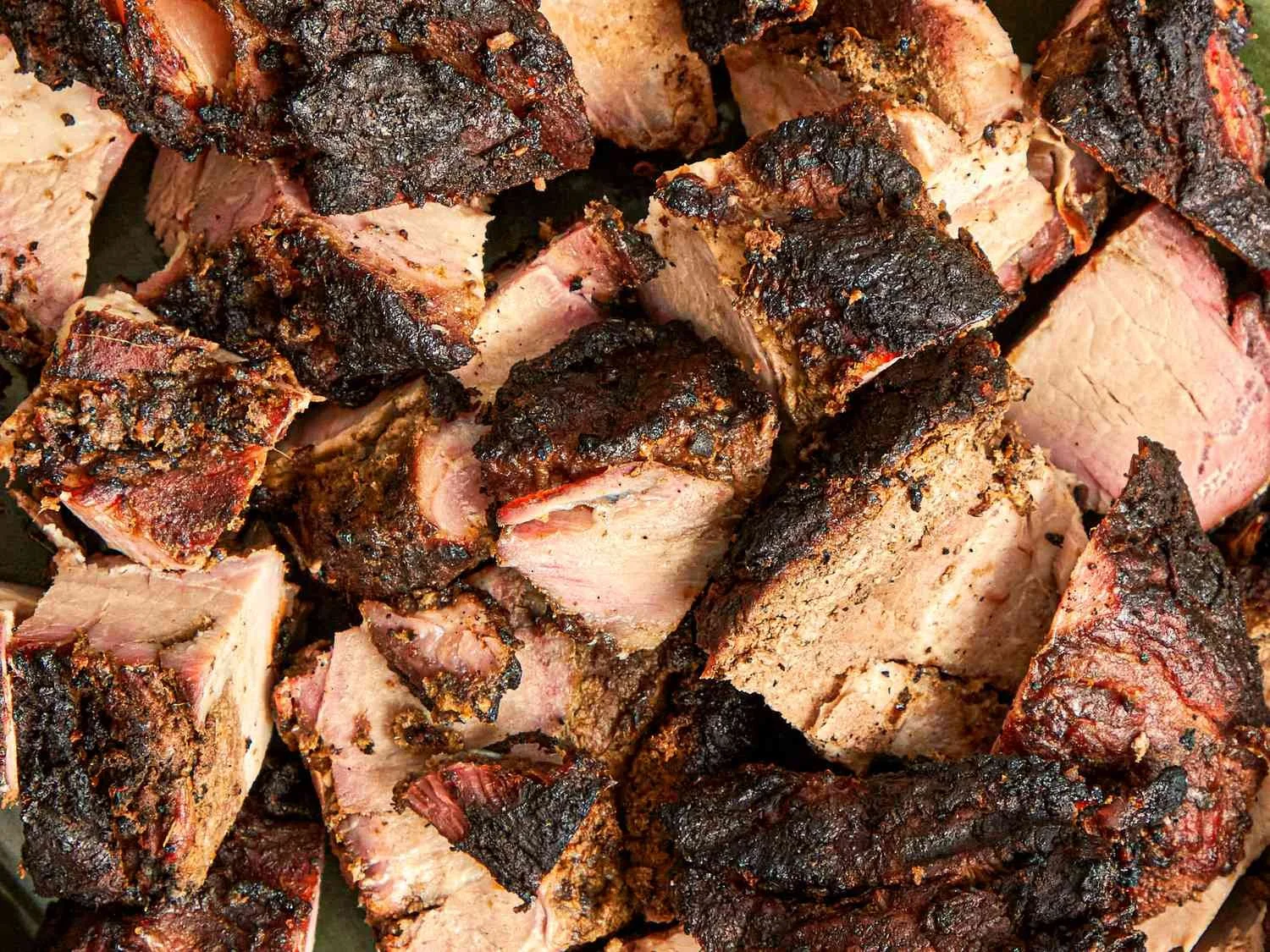
Jerk Pork
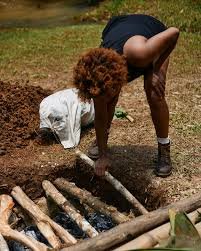
Jerk embodies Caribbean culinary resistance—transforming limited resources into a vibrant, enduring food culture that celebrates identity and ancestral wisdom.
