
Ingredient Pathways — Corn’s Journey Through Diasporic Kitchens
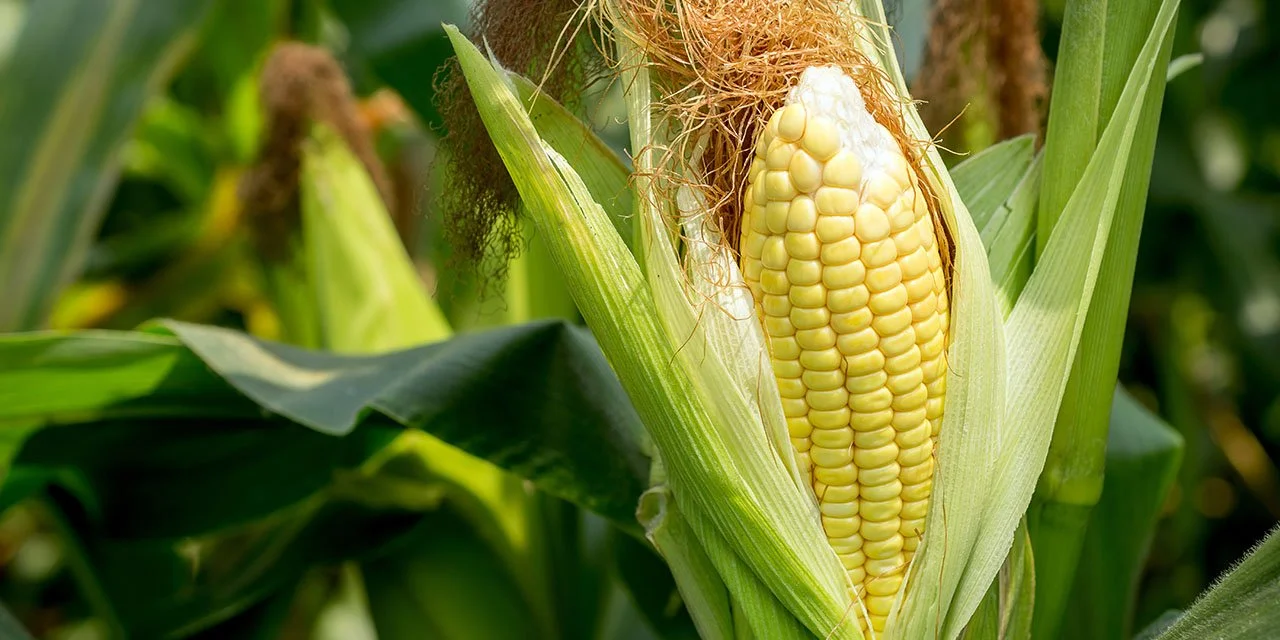
Corn is more than just a staple grain—it is a cultural vessel linking Indigenous, African, Caribbean, and Latin American diasporas through centuries of migration, adaptation, and shared history. Across the Americas and the African diaspora, corn has been embraced in diverse forms, each with its own distinct name, preparation, and meaning.
### Haitian Akasan (Akkasan)
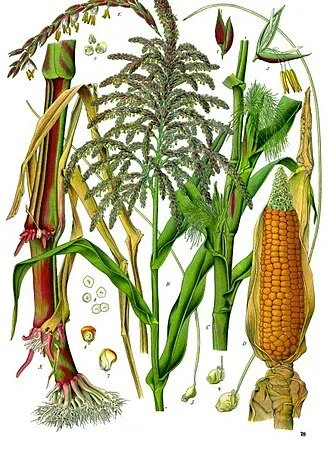
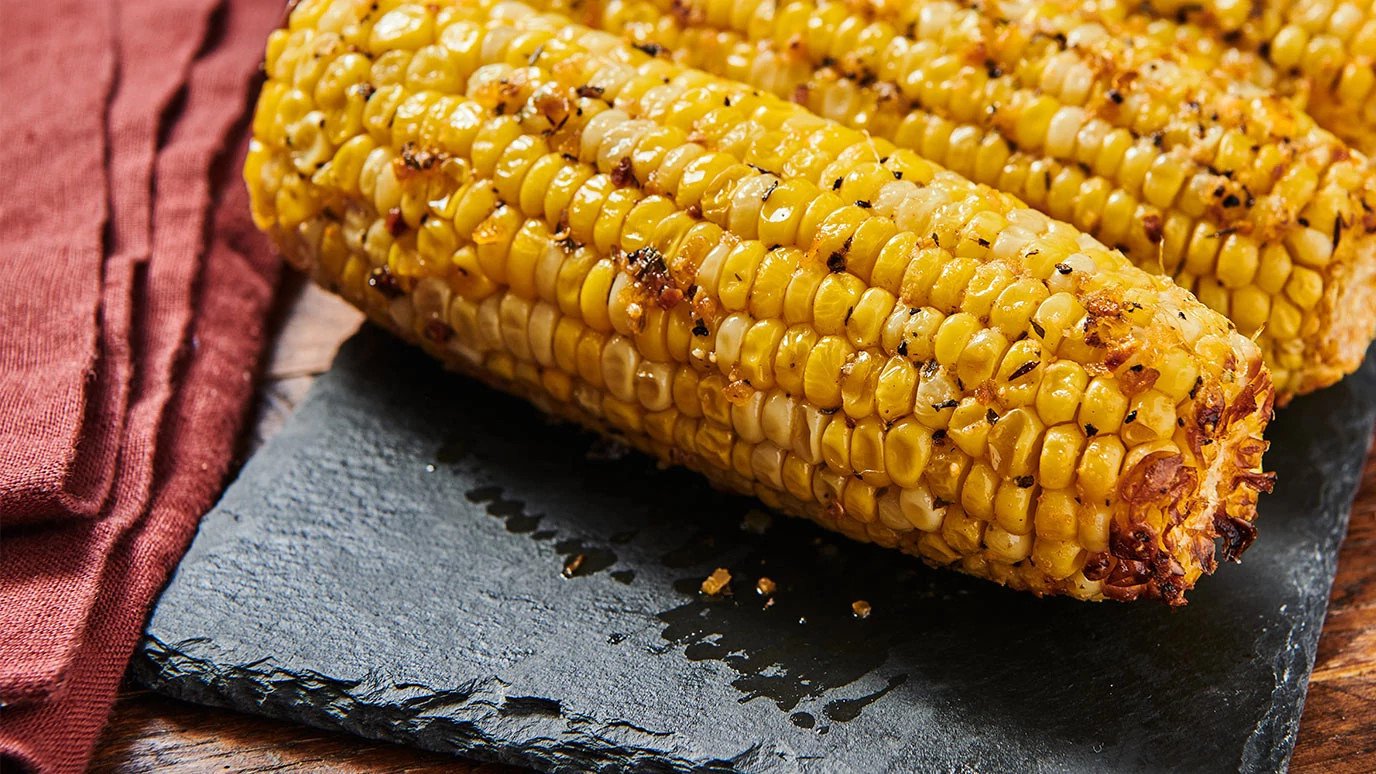
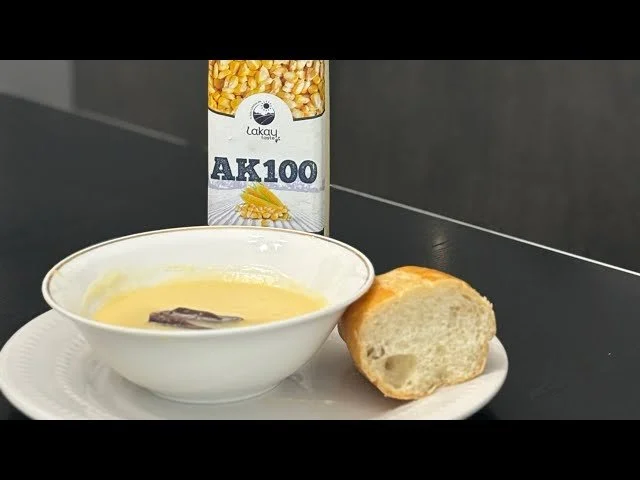
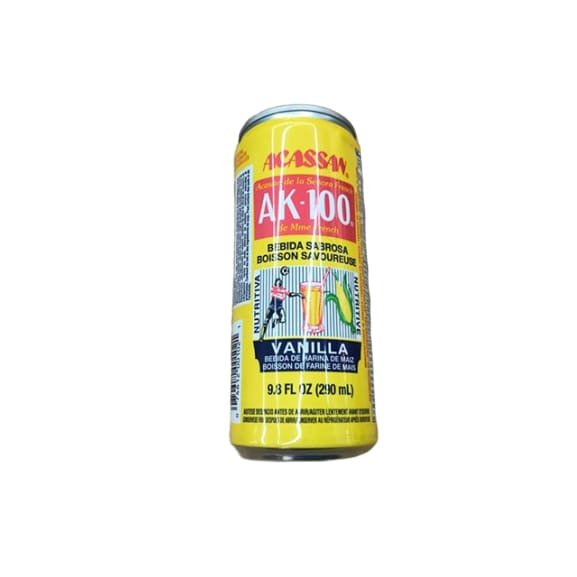
In Haiti, *akasan* (sometimes spelled *akkasan*) is a beloved creamy cornmeal drink that epitomizes comfort and resilience. Made by boiling finely ground cornmeal with water or milk, seasoned with warming spices like cinnamon and cloves, and sweetened with sugar or condensed milk, akasan is traditionally served as a breakfast drink or restorative beverage. It fills the belly and soul, echoing rural Haitian kitchens where every ingredient speaks to resourcefulness and ancestral nourishment.
### Jamaican Cornmeal Porridge and Dumplings
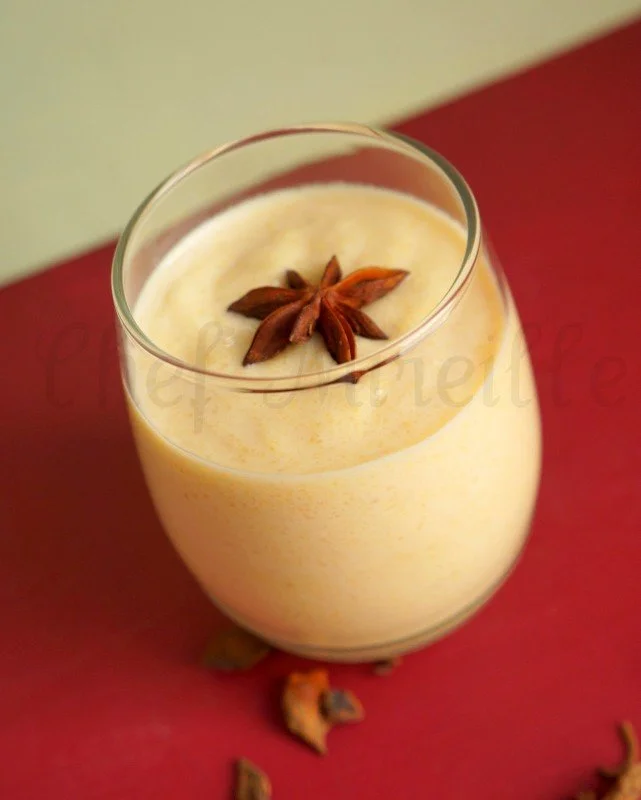
Jamaica’s use of cornmeal reflects its integral role in daily sustenance and festive cooking. Cornmeal porridge is a smooth, spiced dish made by slowly cooking ground corn with milk or water, sweetened and accented with nutmeg, cinnamon, and in some recipes vanilla. This porridge is a warming start to the day with roots in Indigenous and African culinary traditions.
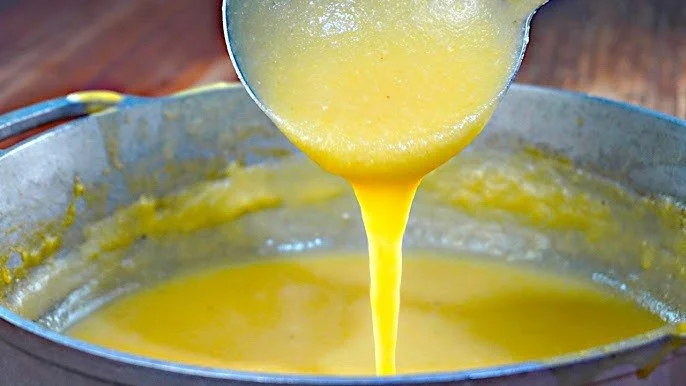
Jamaican Cornmeal Porridge
Equally important are Jamaican cornmeal dumplings, which are small, doughy spheres or ovals prepared by mixing cornmeal with water or milk and sometimes salt. These dumplings accompany stews and soups, absorbing the rich flavors of meats and greens, a testament to the practicality and heartiness of Jamaican home cooking.
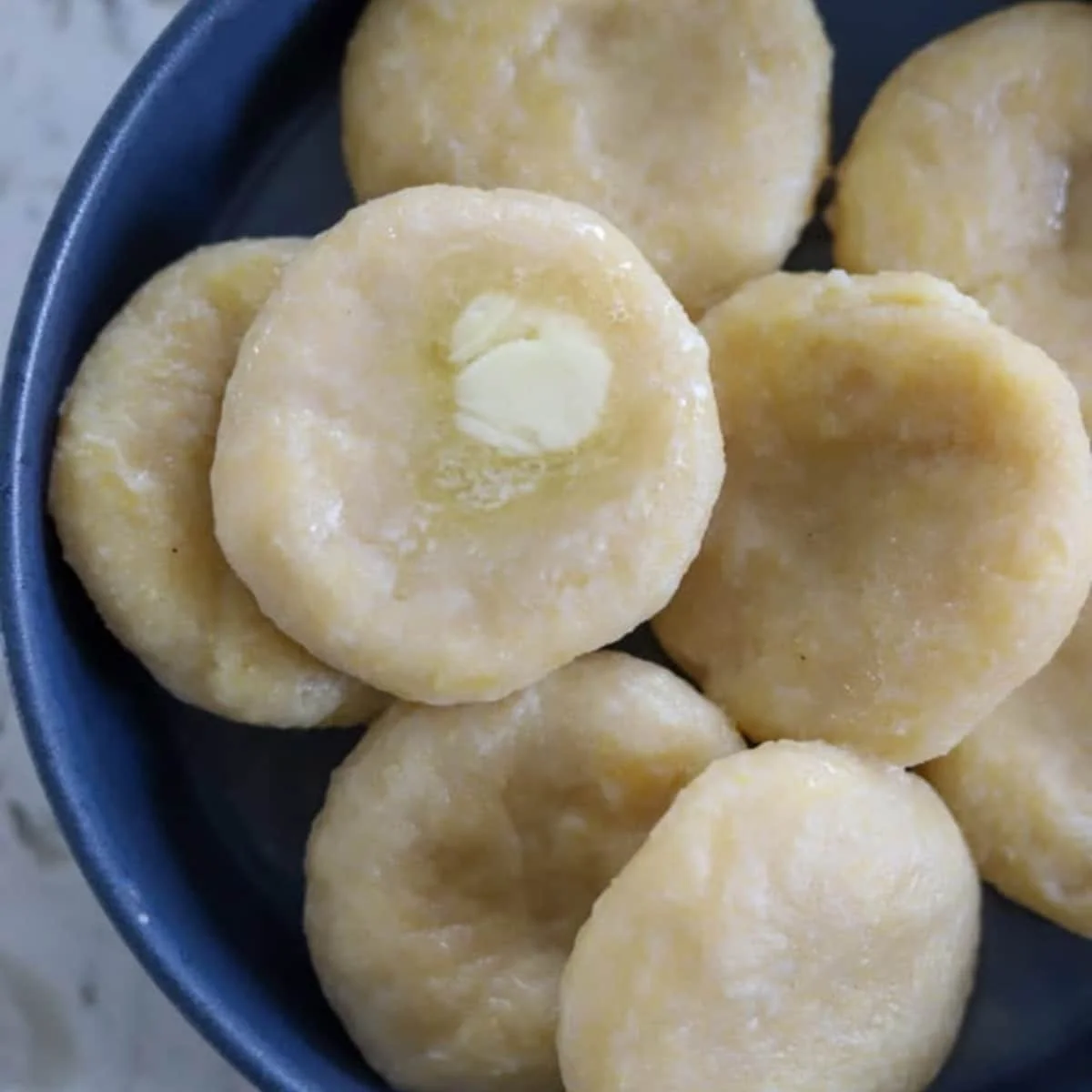
Jamaican Cornmeal Dumplings
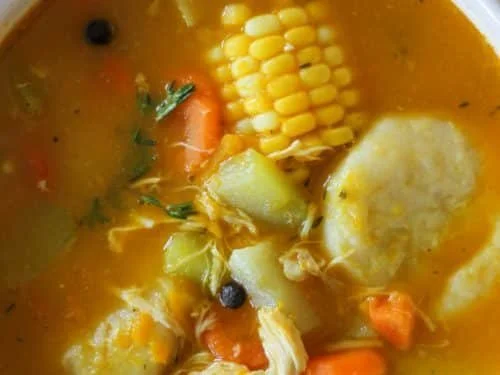
Jamaican Chicken Soup with Cornmeal Dumplings inna it
### Tortillas and Tamales in Latin America
Travel south to Latin America, and corn’s prominence takes center stage in the form of tortillas and tamales, both foods with deep Indigenous Mesoamerican origins. The tortilla is a flatbread made from ground nixtamalized corn, essential across Mexican and Central American cuisine, used as a base for tacos, enchiladas, and more.
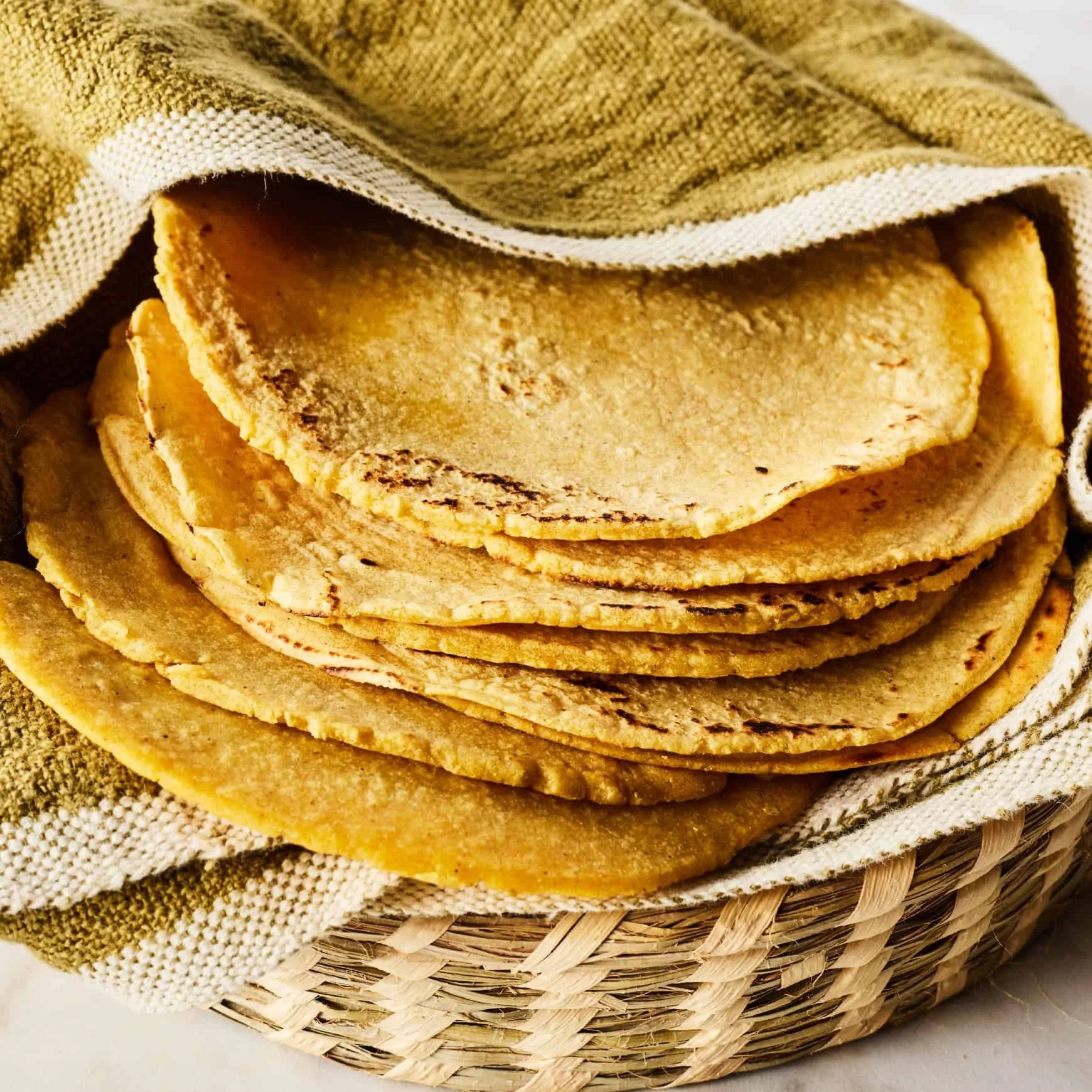
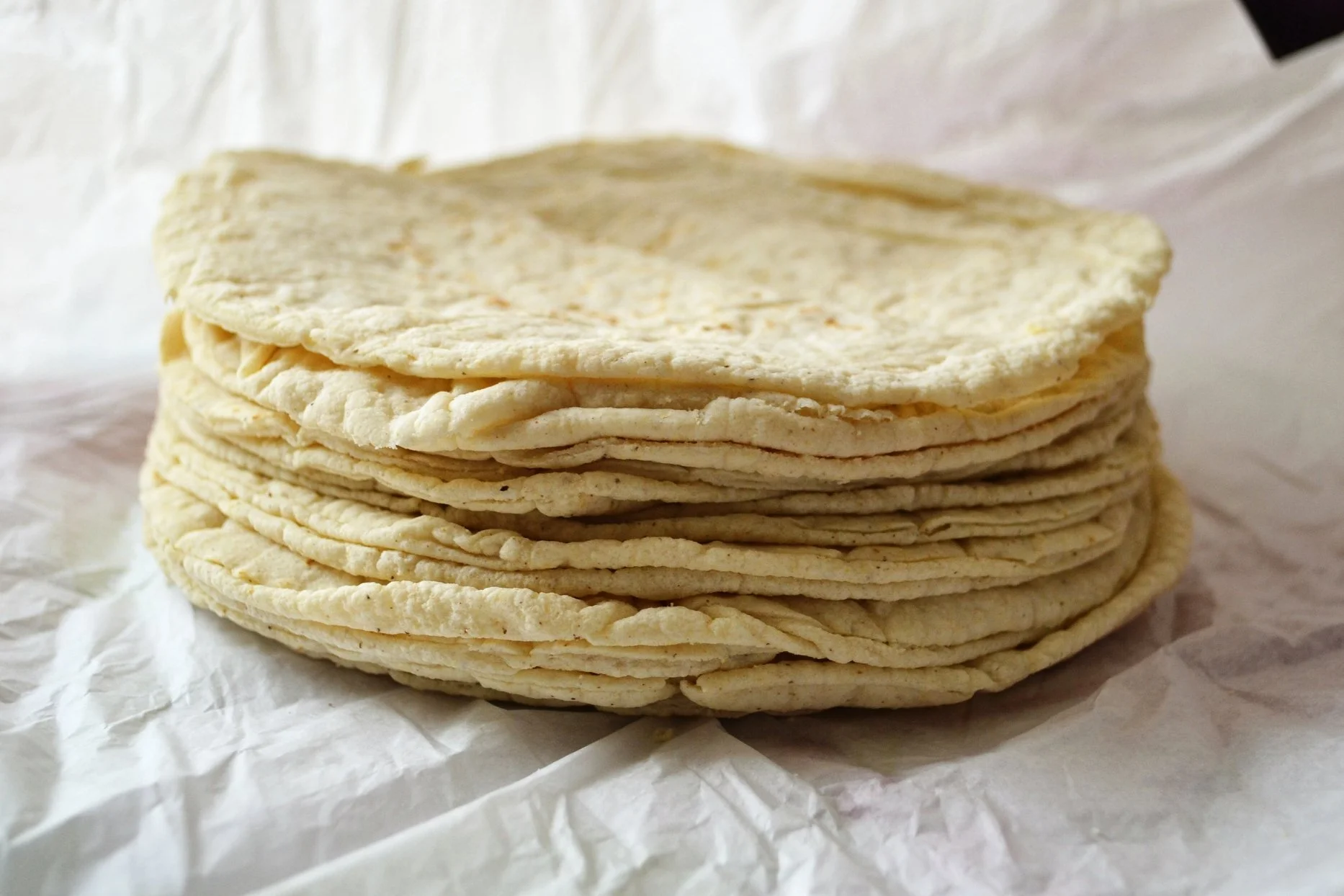
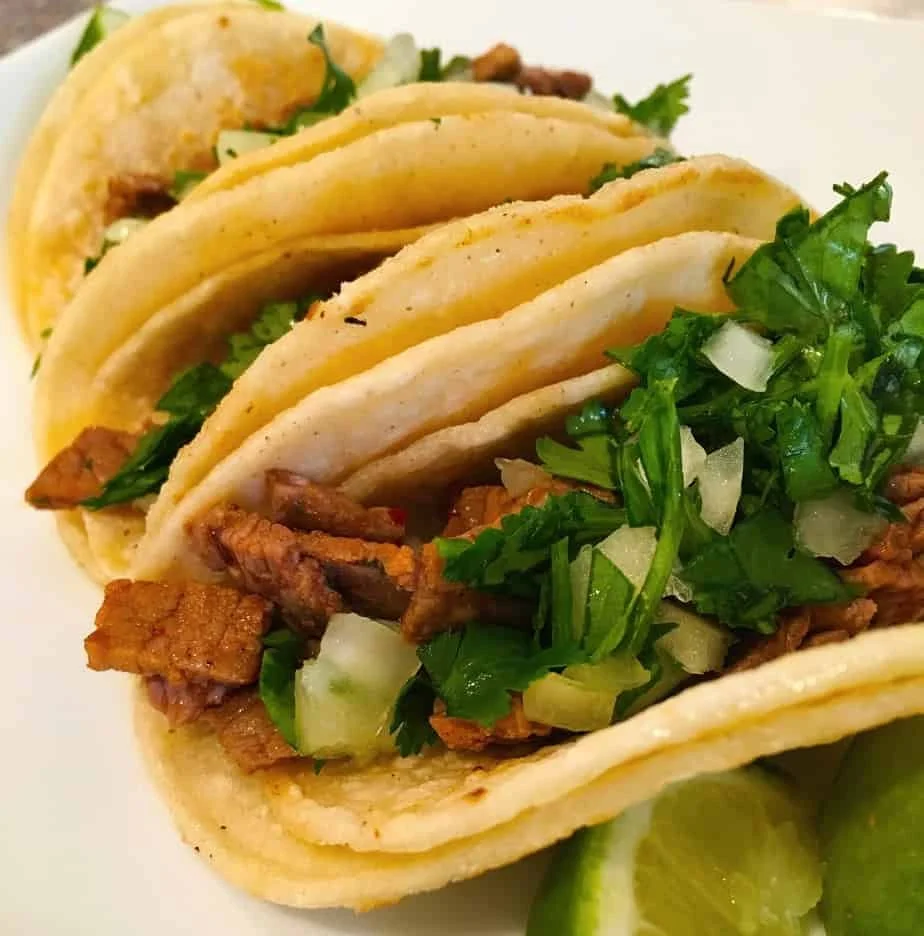
Mexican Street Tacos inside a Corn Tortilla
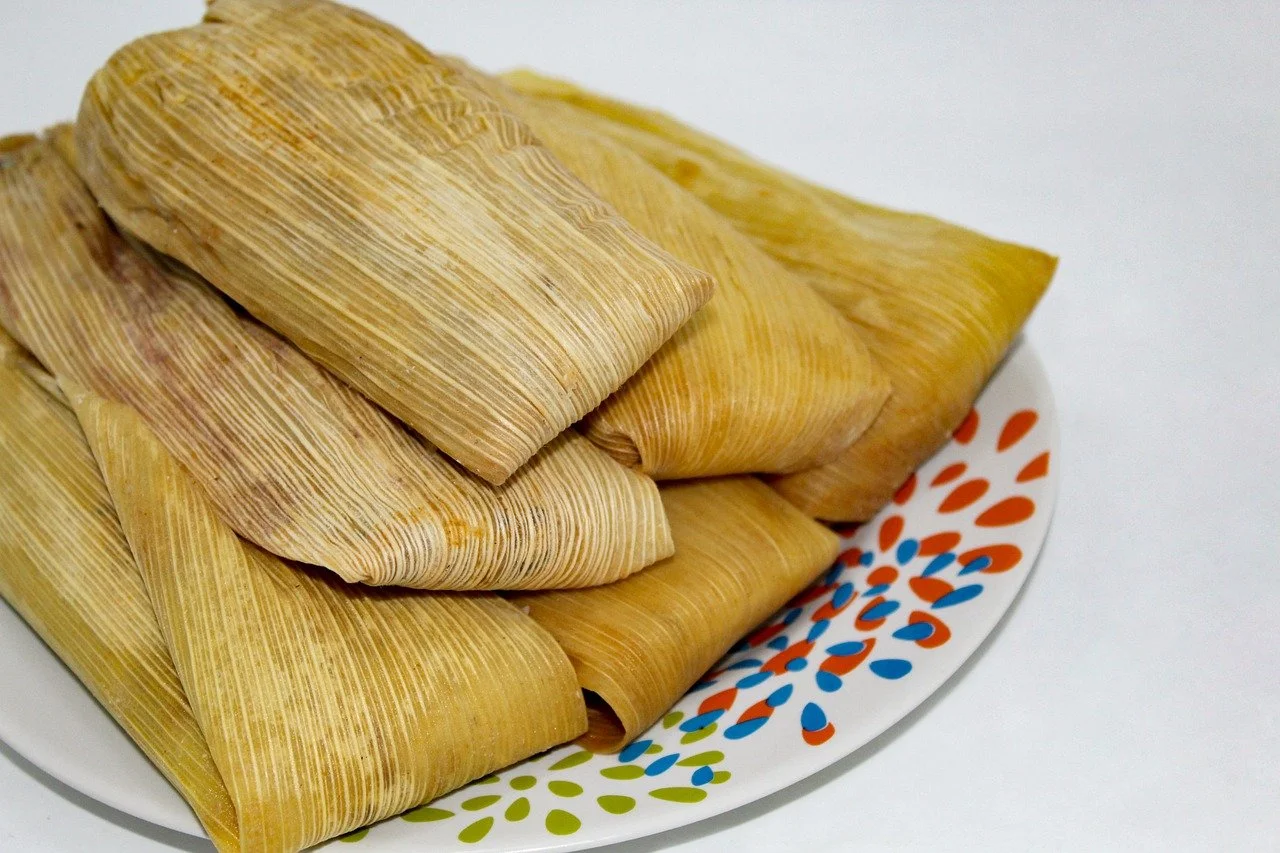
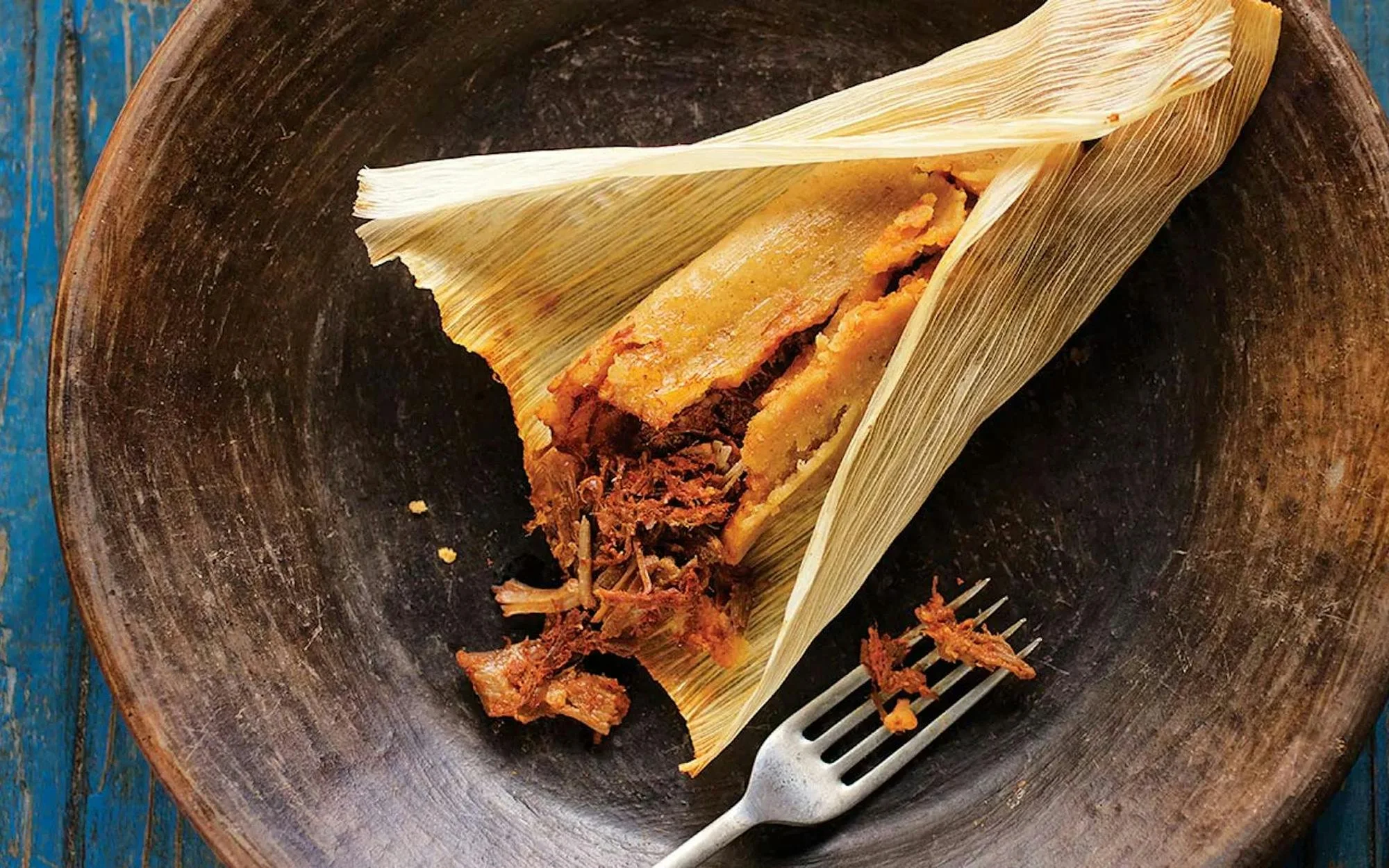
Tamales, made from masa dough wrapped in corn husks or banana leaves, are often stuffed with savory or sweet fillings. Traditionally prepared for special occasions and holidays, tamales represent community bonding, where families come together to make large batches through an elaborate, joyous cooking ritual. These foods carry the spiritual and cultural legacy of Indigenous peoples alongside the continuity of diasporic culinary expression.
Pasteles in Puerto Rico
Pasteles are iconic Puerto Rican holiday delicacies that reveal the interconnectedness of Indigenous, African, and Spanish influences. While pasteles primarily consist of a dough made from grated green bananas, plantains, and yam, cornmeal is sometimes incorporated into recipes or served nearby to complement the dish.
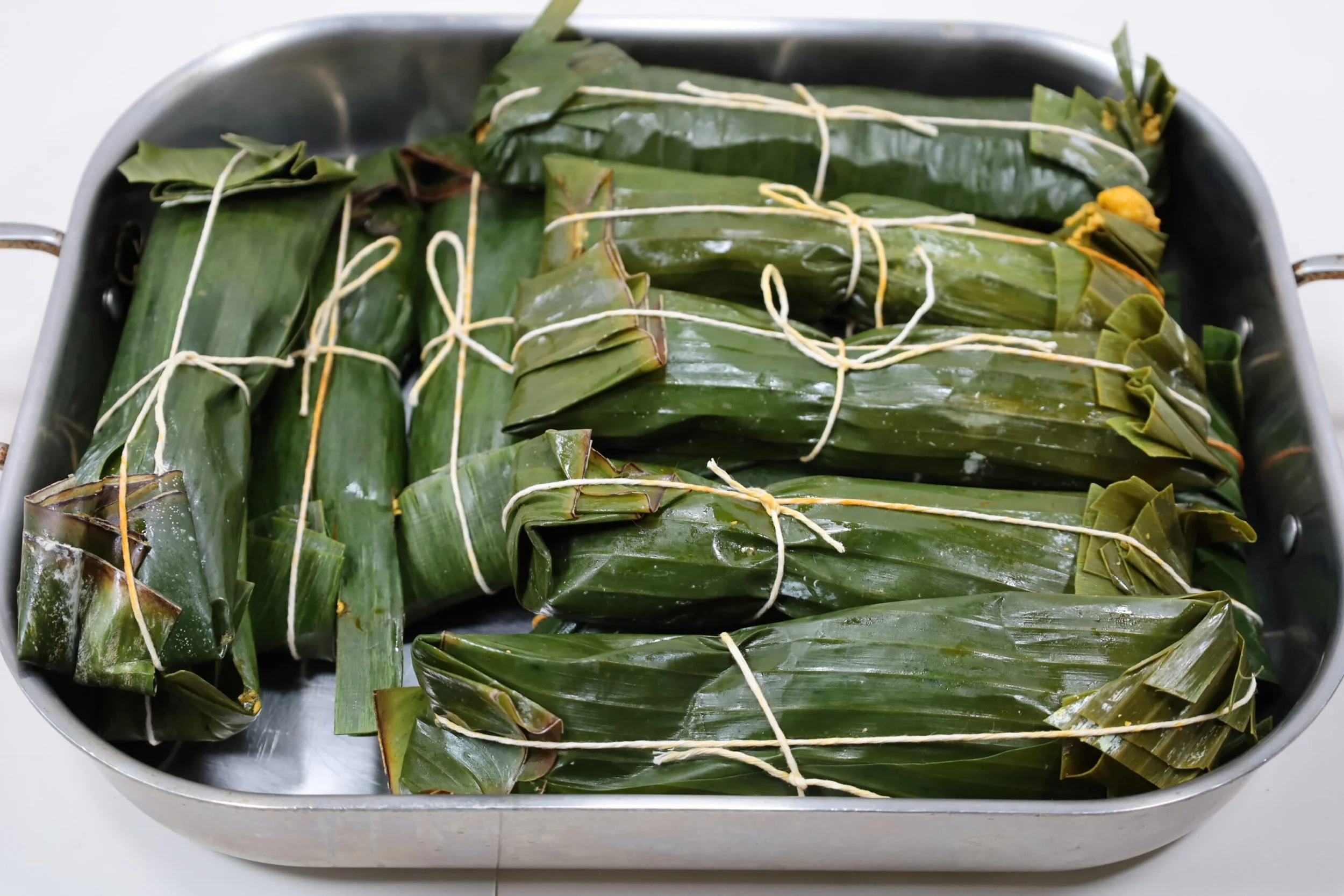
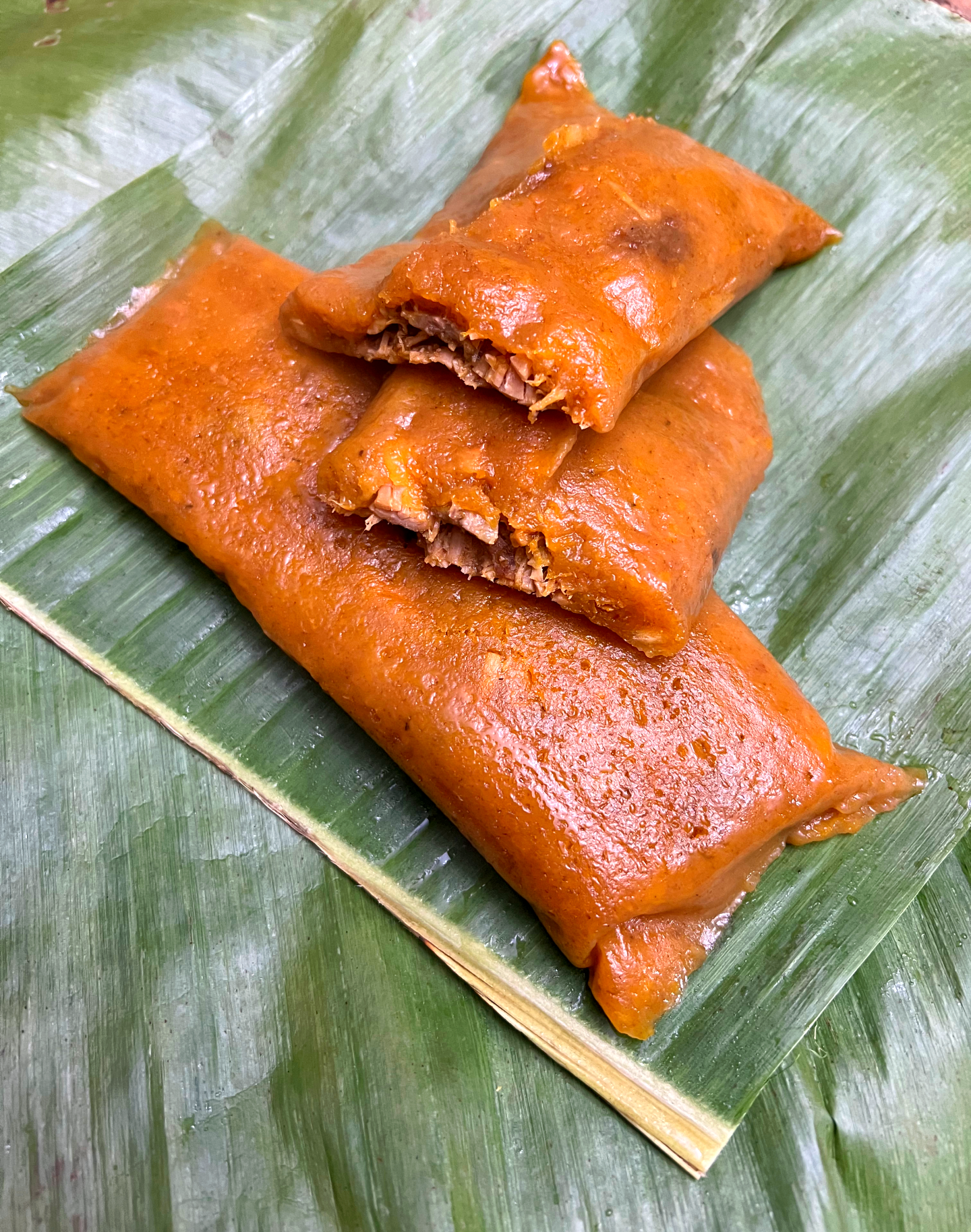
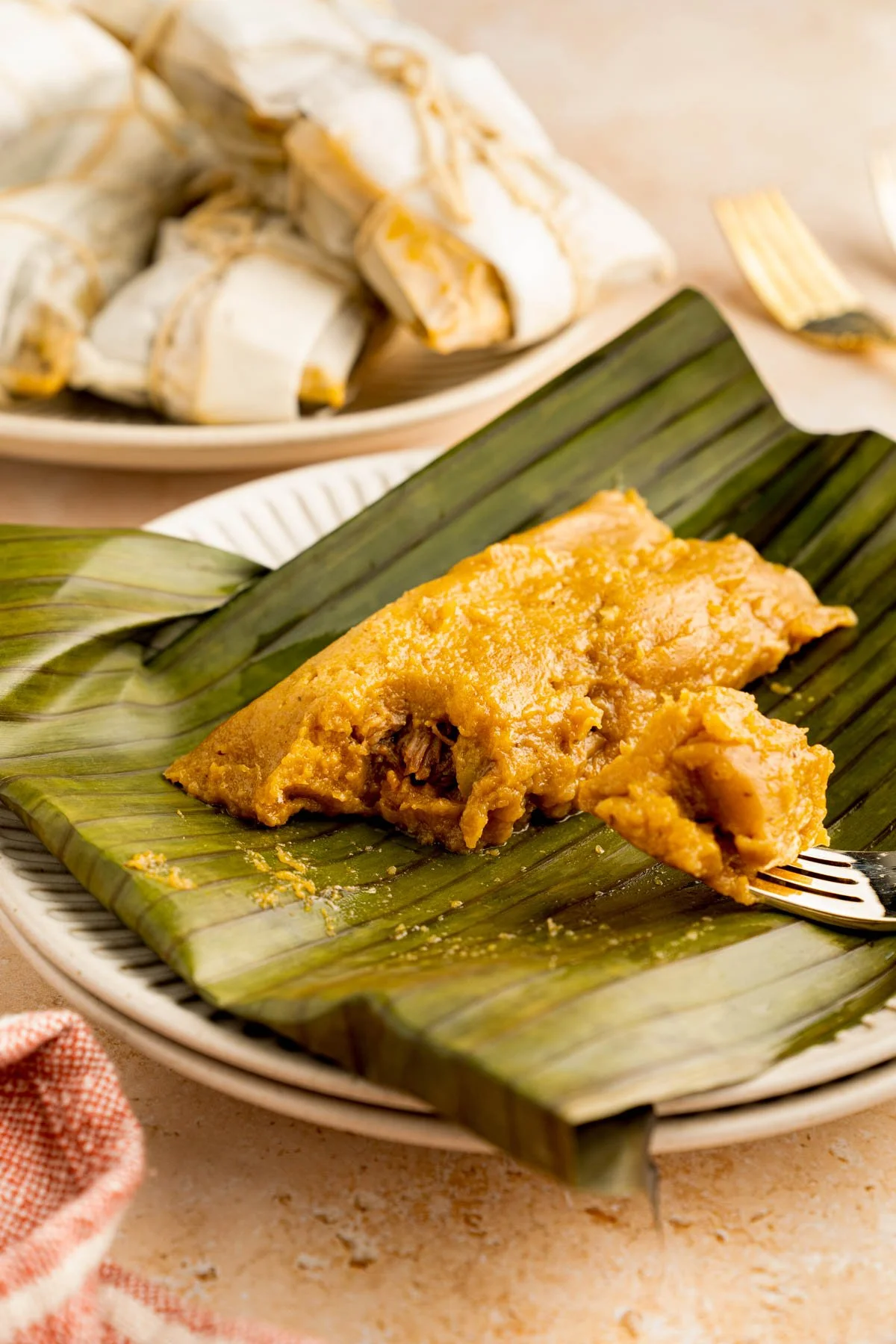
Wrapped in banana leaves and filled with seasoned pork or other meats, pasteles are labor-intensive and often reserved for Christmas tables and special gatherings. The dish’s creation honors familial legacy and cultural pride, making it a restorative culinary practice rooted in ancestral memory.
Maize
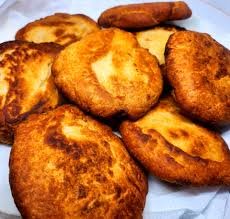
Family, let’s talk more corn—maize, that golden gift from Indigenous peoples that’s fed revolutions, migrations, and our Little Caribbean block parties. Johnnycakes—also called jonnycakes, shawnee cake, hoecake, journey cake, or johnny bread—are a cornmeal flatbread, a type of batter bread that’s been a North American staple from Newfoundland down to Jamaica. This dish straight-up originates from Indigenous folks who ground corn for cooking, teaching Europeans the way, and it’s still going strong in the Bahamas, Belize, Nicaragua, Bermuda, Canada, Colombia, Aruba, Curaçao, Bonaire, Dominican Republic, Puerto Rico, Saint Croix, Sint Maarten, Antigua, and all across the United States.
Etymology and Names
Y’all, the name "johnnycake" pops up as early as 1739 in South Carolina, with "journey cake" showing in 1775 on the Gulf Coast—probably the older form for those portable eats. It likely comes from "Jonakin," noted in New England in 1765, tracing back to Northern England’s "jannock" from the 1500s. Some say "Shawnee cake," but that’s debated. Then there’s hoecake, first in 1745, named for cooking on iron "hoes" or pans—not always garden tools like folks think. Hoecakes can be cornbread batter or leftover biscuit dough, thicker than pancakes.
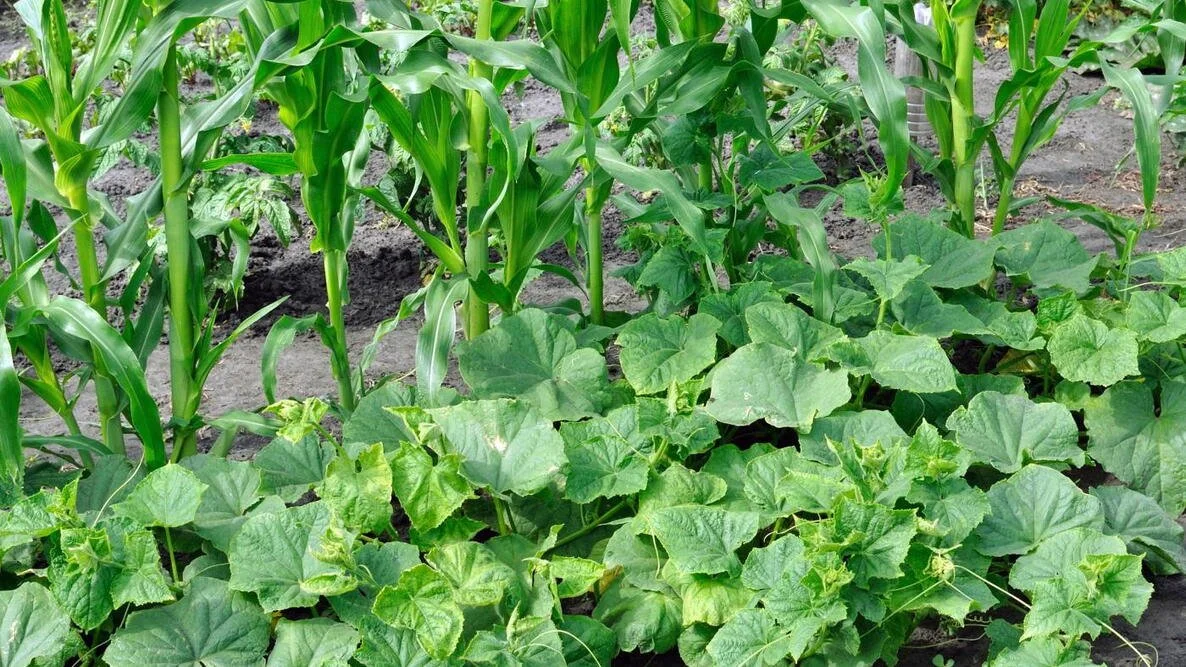
Three Sisters: Corn, Squash, Beans Harmony
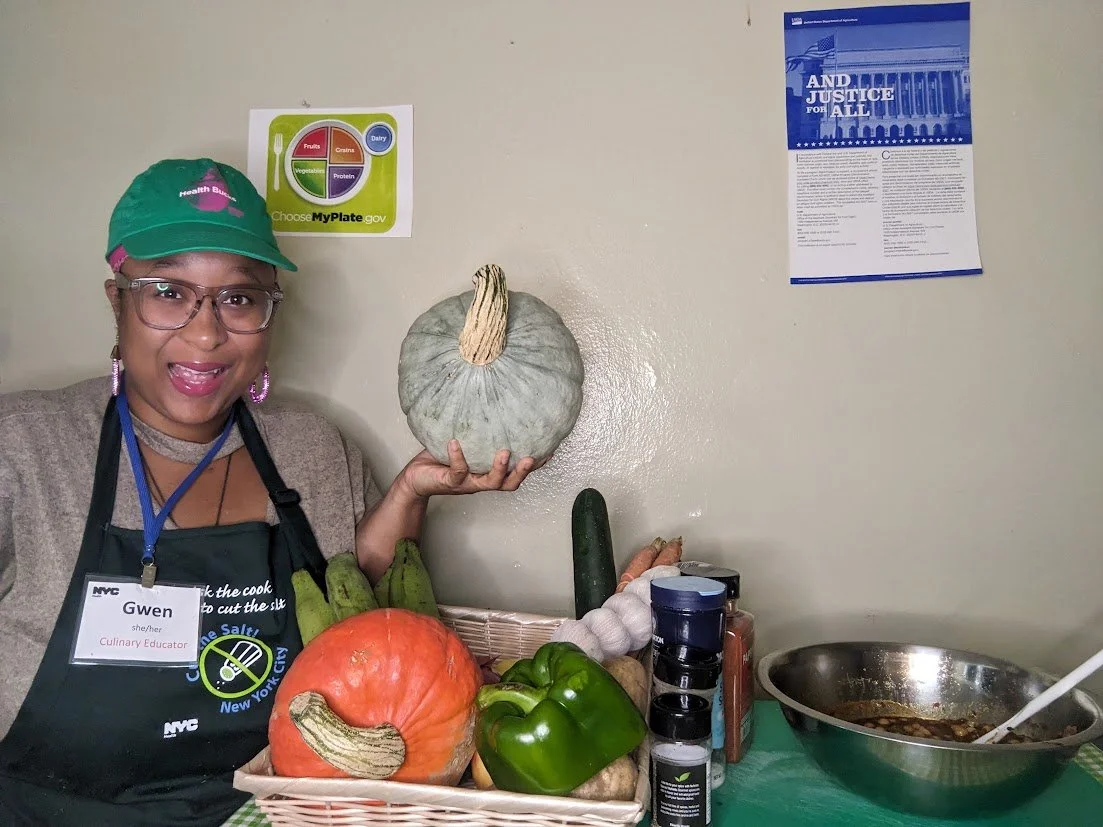
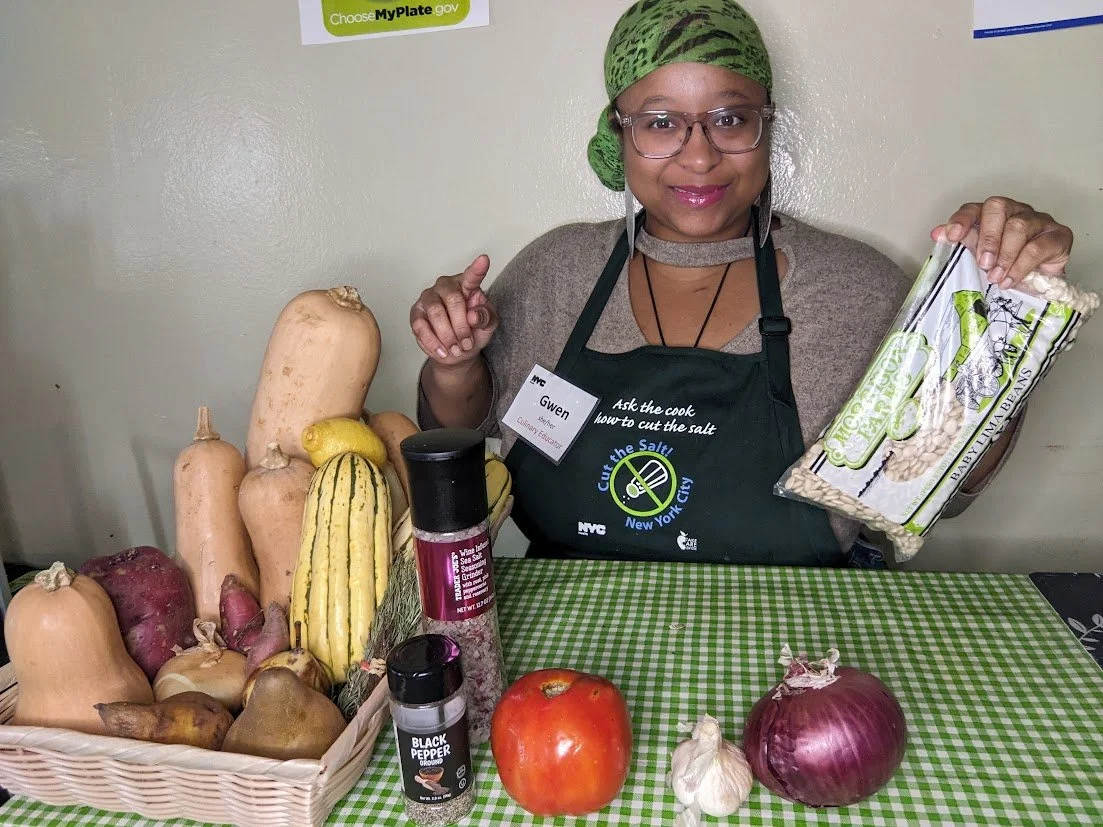
Before those journey cakes hit my skillet, corn grew in sacred partnership with its sisters—squash and beans—in the genius Indigenous mound system. Picture this: corn stalks shoot up tall, beans climb those sturdy poles like family leaning on each other, and sprawling squash vines blanket the soil, choking weeds and holding moisture tight. No chemicals, just balance—hill-plant these three together, and the land gives back tenfold. As a trauma-informed chef, I see this as our blueprint: interdependent, resilient, healing the body and earth, straight from Haudenosaunee and other Native wisdom keepers.
Origin and Soul Food Ties
Indigenous peoples get full credit for showing Europeans how to make this—Narragansett had it in the 1600s. Corn became a Southern staple: cornbread, grits, even whiskey and moonshine for trade. Civil War soldiers scarfed it cheap in all forms, from fluffy loaves to quick fries. Soul food owes so much to this—hominy as grits, hoe cakes, johnny cakes, cornmeal dumplings, hushpuppies, even boiling beans and peas or smoking meat over hickory like the originals.
How It’s Made
These unleavened cornbreads mix cornmeal, salt, water—early cooks slapped thick dough on boards or barrel staves by the fire. Southern 1700s versions threw in rice, hominy flour, cassava; a 1905 book had "Alabama Johnny Cake" with rice and meal. Johnnycakes vs. hoecakes? Originally cooking method—now both griddle or skillet. Some bake ‘em like corn pones. Modern twists add leavening, eggs, butter—like pancakes with syrup or honey. Rhode Island style from the 1930s WPA guide: scald white cornmeal with hot water or milk, drop 3x3x1/2-inch cakes on a hot spider pan, fry slow in sausage or bacon fat for 30 minutes, flipping, with butter.
Variations Across Places
Australia’s got damper—wheat flour "johnny cakes" in ashes or fat, maybe borrowed from us. Bahamas johnny cake is flour, sugar, butter, water—kneaded, baked soft for soup. Dominican yaniqueques, brought by English migrants, are beach snacks in Boca Chica. New England (Rhode Island origin claim) fries yellow or white cornmeal gruel; South calls it hoecake.
In my Brooklyn kitchen, these cakes heal. Corn’s cheap, gluten-free power fueled Civil War soldiers and enslaved cooks turning hominy into hushpuppies or grits—soul food staples we still savor. It’s trauma-informed eating: simple ingredients rebuilding strength, story by story.
Ayana’s Trauma-Healing Johnnycakes
Makes 8 cakes | Prep: 10 min | Cook: 20 min
1 cup fine cornmeal (stone-ground, Kenyon’s RI style if you can find it)
1 tsp sea salt
1 cup hot water or milk (plant-based for wellness)
2 Tbsp coconut oil or bacon fat (Caribbean nod)
Optional: 1 tsp sugar, herbs like scallion
Mix cornmeal, salt, and hot liquid into thick batter. Heat skillet with fat over medium. Drop 3x3-inch cakes; fry 5-7 min per side till crisp edges form—no rush, let that golden crust build flavor. Stack with butter, honey, or stewed fruit.
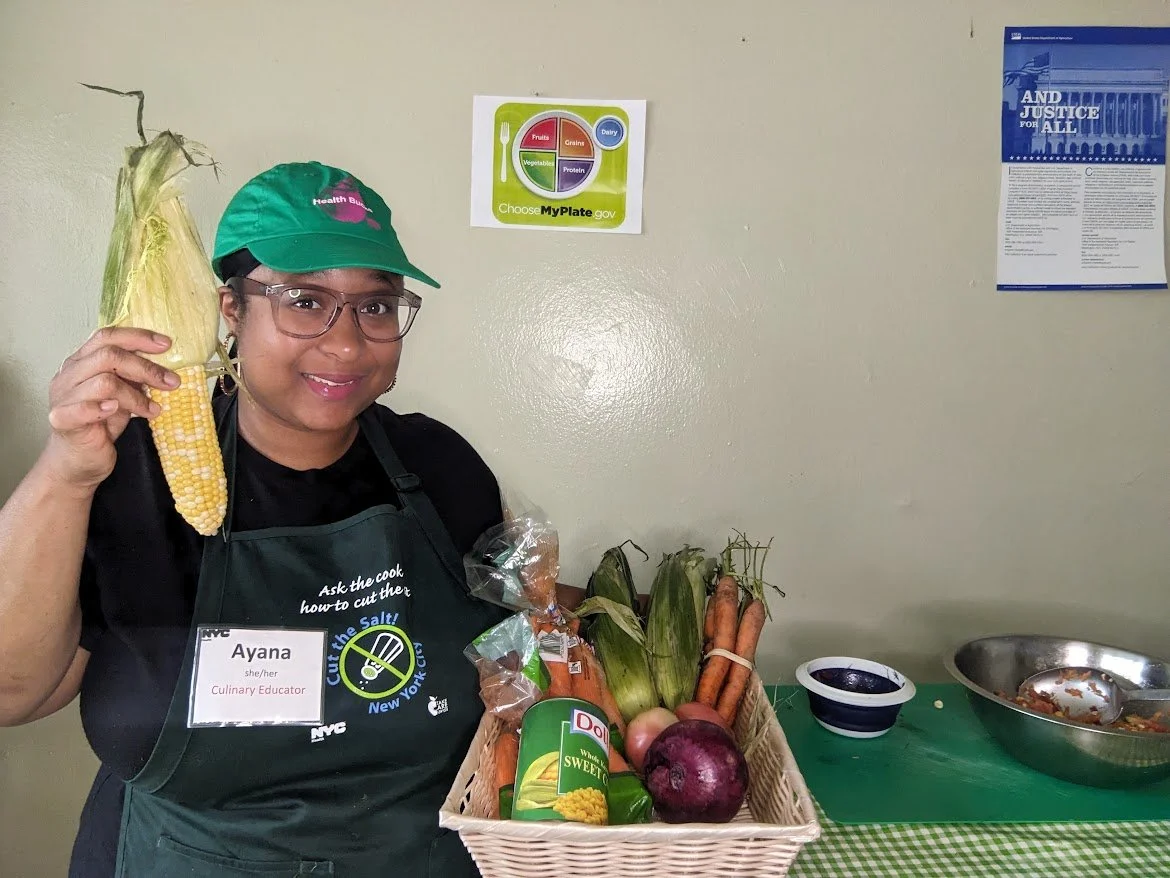
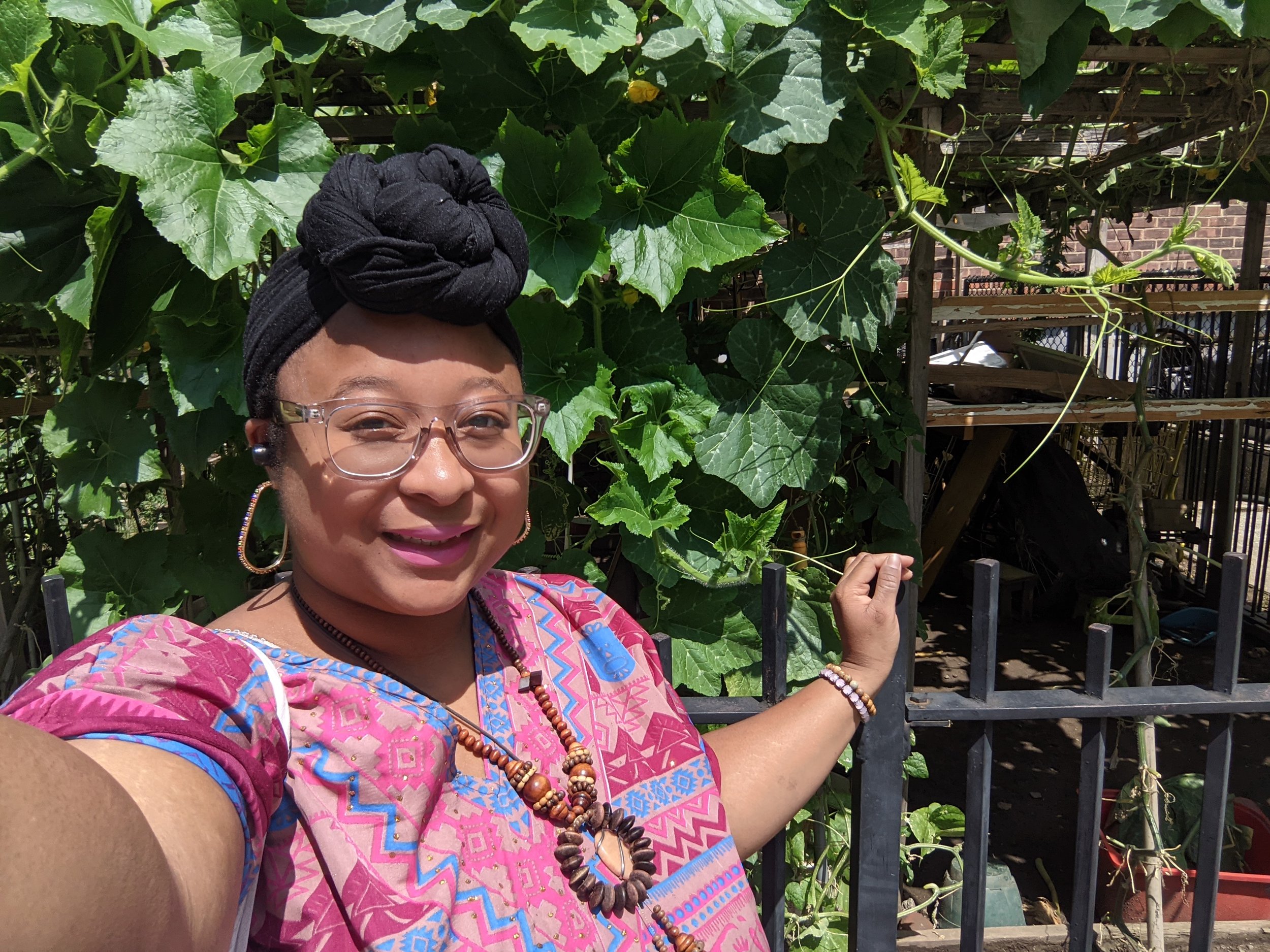
Chef Ayana hosting a virtual culinary education class with CORN! LOL
